Trying to lose weight often starts with one simple question: What should I eat every day?
Many people begin by cutting out rice, reducing their carbohydrate intake, or following strict diet plans. But weight loss does not always require removing traditional foods from your plate. Sometimes, the better approach is to choose better portions and more filling foods.
This is where millets can help.
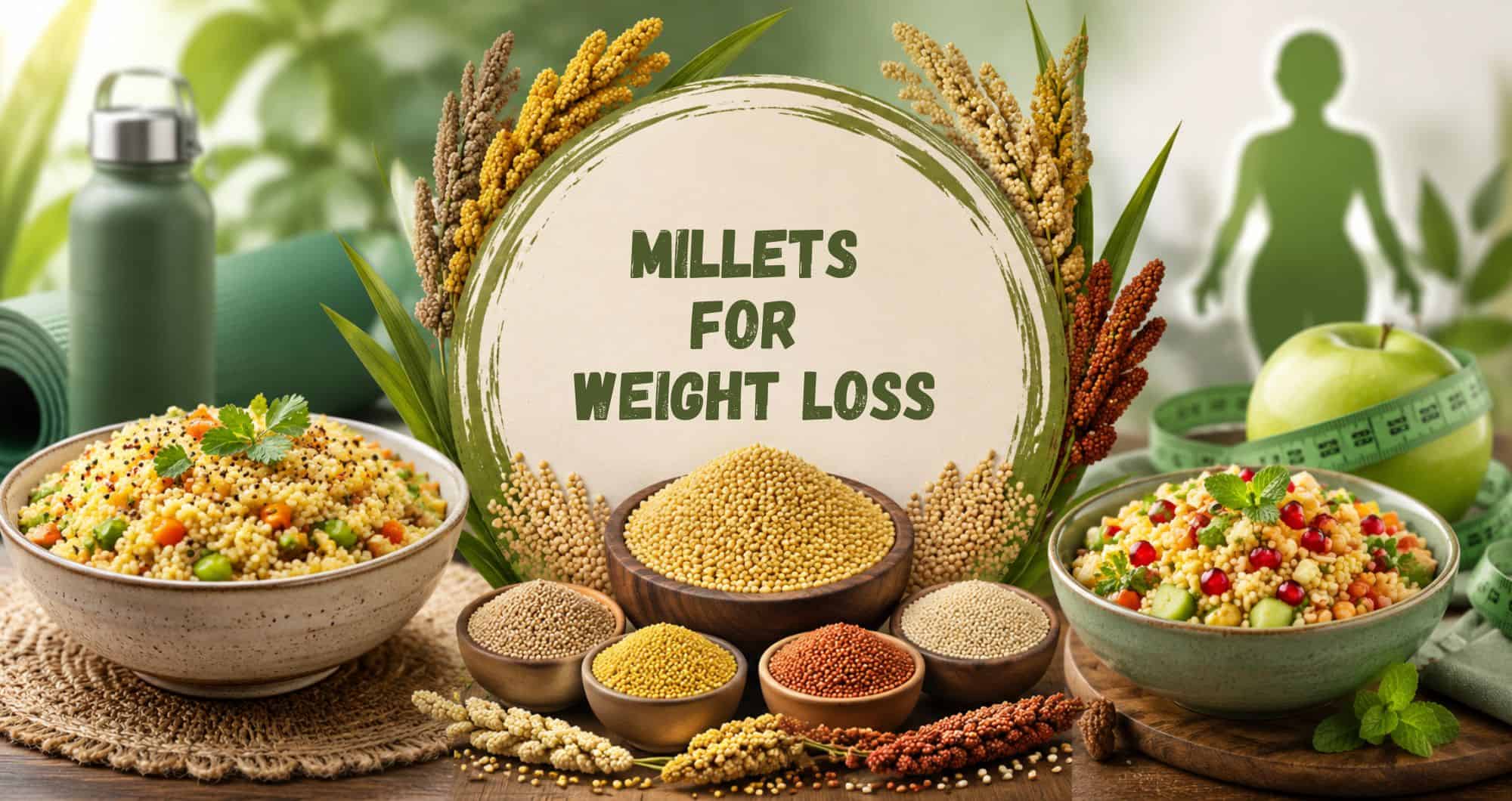
Millets for weight loss have become popular because they are naturally rich in fibre, contain plant-based protein, and can fit easily into Indian meals. From ragi dosa to foxtail millet upma, there are plenty of ways to include them in your routine.
But which millet is best for weight loss? And can you eat millets every day?
Let’s look at it practically.
Are Millets Good for Weight Loss?
Millets can support weight loss when included as part of a balanced diet.
They are not a magic food that directly burns fat. Your overall calorie intake, meal portions, physical activity, sleep, stress, and eating habits still matter.
The reason many people find millets helpful is that they can make meals more filling.
Millets may help with weight management because they:
- Contain dietary fibre
- Can help you feel full for longer
- Provide complex carbohydrates
- Offer minerals such as iron, magnesium, and phosphorus
- Can be used in place of refined grains
- Fit into many traditional Indian recipes
For example, a bowl of millet upma with vegetables and a source of protein may keep you satisfied longer than a meal made mainly from refined flour.
Still, the portion matters.
Eating large amounts of any grain, including millets, can add more calories than your body needs. So the goal is not to eat unlimited millet just because it is considered healthy.
Which Millet Is Best for Weight Loss?
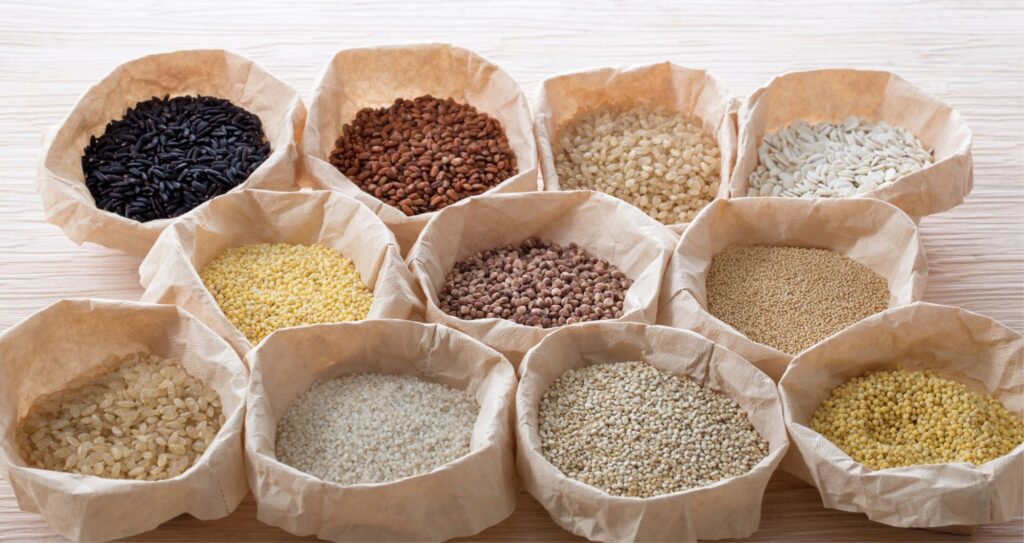
There is no single millet that works best for everyone.
Your choice can depend on your digestion, food preferences, cooking habits, health goals, and the rest of your diet.
Here are some commonly used millets that can be included in a weight loss meal plan.
1. Foxtail Millet
Foxtail millet is a popular choice for people looking for millets for weight loss.
It can be used to prepare:
- Upma
- Pongal
- Khichdi
- Millet rice dishes
- Salads
Its fibre content can help make meals more satisfying. You can use cooked foxtail millet in place of rice in selected meals.
Try pairing it with vegetables, dal, eggs, paneer, fish, or another protein source.
A bowl of plain millet alone may not make a complete meal. The combination matters.
2. Ragi
Ragi is widely used in South Indian cooking.
You may already know it through ragi dosa, ragi mudde, ragi roti, or ragi porridge.
Ragi contains calcium and fibre and can be useful in a balanced diet. It can also be a good option for people who enjoy traditional breakfast recipes.
For weight loss, the way you prepare ragi matters.
A vegetable-filled ragi dosa with curd can be a more balanced meal than a large serving of sweetened ragi porridge.
3. Bajra
Bajra, or pearl millet, is commonly eaten in the form of rotis.
It provides fibre and several nutrients. A bajra roti with vegetables and a protein-rich side dish can be part of a filling lunch or dinner.
You do not need to completely replace wheat rotis with bajra.
You can rotate different grains during the week based on your preferences and digestion.
4. Little Millet
Little millet can be used in dishes such as:
- Lemon millet
- Millet pulao
- Khichdi
- Upma
It works well when you want variety in your meals.
Many people make the mistake of eating the same food every day while trying to lose weight. That often becomes boring. Adding different grains can make your diet easier to continue.
5. Kodo Millet
Kodo millet is another option that can be included in a balanced weight loss diet.
It can be cooked and served with vegetables, dal, or a protein source.
The main point is simple. You do not need to search for one “perfect” millet.
The best millet is often the one you enjoy eating, digest well, and can include in suitable portions.
How to Include Millets in Your Diet for Weight Loss
Adding millets to your diet does not mean you need to completely change your kitchen routine.
Start with one meal.
For example:
Breakfast
- Ragi dosa with vegetable sambar
- Foxtail millet upma with vegetables
- Millet idli with sambar
- Ragi vegetable cheela
Lunch
- Foxtail millet with dal and vegetables
- Millet khichdi with curd
- Bajra roti with sabzi and paneer
- Millet bowl with vegetables and grilled chicken
Dinner
- Light millet khichdi
- Millet vegetable soup bowl
- Bajra roti with vegetables and a protein source
You can also use cooked millet in salads or meal bowls.
A simple plate could include:
- One portion of millet
- Plenty of vegetables
- A source of protein
- A small amount of healthy fat
This combination can make the meal more satisfying.
How Much Millet Should You Eat for Weight Loss?
This is one of the most common questions.
The answer depends on your age, activity level, current diet, health goals, and total calorie needs.
A person who exercises regularly may need a different portion compared with someone who has a sedentary routine.
Instead of focusing only on the grain, look at your entire plate.
Ask yourself:
- How much millet am I eating?
- Am I adding enough protein?
- Are vegetables included?
- Am I using too much oil or ghee?
- Am I eating because I am hungry or simply because it is mealtime?
These small questions can make a difference.
For many people, the problem is not one food. It is the total meal pattern.
Can You Eat Millets Every Day for Weight Loss?
You can include millets regularly if they suit your body and your overall diet remains balanced.
But eating the same millet at every meal may not be necessary.
You can rotate different grains such as:
- Rice
- Wheat
- Ragi
- Bajra
- Foxtail millet
- Little millet
- Kodo millet
This gives you more variety and makes your diet easier to follow.
If you experience digestive discomfort after increasing millet intake, look at how much you are eating and how quickly you changed your diet.
Starting with smaller portions may be more comfortable for some people.
Common Mistakes People Make When Eating Millets for Weight Loss
Millets can be healthy, but preparation still matters.
Here are some common mistakes:
Eating Too Much
Millets are not calorie-free.
Large portions can still contribute to excess calorie intake.
Adding Too Much Sugar
Ragi porridge can become a high-sugar meal if you add large amounts of sugar or jaggery.
Try to focus on the overall recipe and portion.
Using Too Much Oil
A millet dish cooked with a large amount of oil may contain more calories than expected.
Use the amount that suits your meal and dietary needs.
Eating Only Millets
A meal made only from millet may not provide enough protein.
Add foods such as:
- Dal
- Eggs
- Paneer
- Curd
- Fish
- Chicken
- Tofu
- Beans
Your body needs more than carbohydrates.
Buying Packaged Millet Snacks
Millet cookies, chips, and packaged snacks may still contain sugar, oil, salt, or other ingredients.
The word “millet” on the packet does not automatically make a snack suitable for weight loss.
Check the ingredients and serving size.
A Simple One-Day Millet Meal Plan for Weight Loss
Here is one example of how you may include millets in a balanced day.
Breakfast
Ragi dosa with vegetable sambar and curd.
Mid-Morning
One fruit based on your preferences and dietary needs.
Lunch
Foxtail millet with dal, vegetables, and a protein source.
Evening Snack
Roasted chana, nuts, or another filling snack.
Dinner
Bajra roti with vegetables and paneer, eggs, fish, or another protein source.
This is only an example.
Your ideal meal plan may look different depending on your health needs and daily routine.
Who Can Help You Plan Millets for Weight Loss?
A diet plan should fit your life.
If you work long hours, your meal plan should not require complicated recipes every day. If you have specific health concerns, your food choices may also need to be adjusted.
A qualified nutrition professional can help you decide:
- Which millet may suit your routine
- How much to include
- Which meals should contain millet
- How to balance carbohydrates and protein
- How to adjust your diet based on your progress
If you are looking for guidance from the Best Nutritionist in Bangalore, Mitha Aahara offers personalised nutrition support based on individual goals, food preferences, lifestyle, and health needs.
A good weight loss plan should not force you to eat foods you dislike or follow a routine that you cannot maintain.
Final Thoughts
Millets can be a useful part of a weight loss diet.
You can use them in place of rice or wheat in some meals, try different varieties, and prepare them in ways that suit your food preferences.
But remember, the millet itself is only one part of your diet.
Your portion size, protein intake, vegetables, cooking methods, activity levels, and daily eating habits also matter.
So, which millet should you choose?
Start with one that you enjoy and can prepare easily. Try foxtail millet, ragi, bajra, little millet, or kodo millet. Then see how it fits into your meals.
A healthy diet does not need to feel complicated.
Sometimes, a few practical changes to the food you already eat can be easier to follow than a completely new diet plan.
If you want, I can also create an SEO title, meta description, URL slug, FAQ section with schema-ready questions, and internal linking suggestions for this article.
Here are the 5 strongest FAQs for the article, chosen for search intent and relevance to the keyword “millets for weight loss”
Frequently Asked Questions
1. Which millet is best for weight loss?
There is no single millet that is best for everyone. Foxtail millet, ragi, bajra, little millet, and kodo millet can all be included in a balanced weight loss diet. The best choice depends on your food preferences, digestion, meal plan, and overall health goals.
2. Can I eat millets every day for weight loss?
Yes, you can eat millets regularly if they suit your body and fit into a balanced diet. You can also rotate different grains such as rice, wheat, ragi, bajra, and other millets to add variety to your meals.
3. Is millet better than rice for weight loss?
Millets may be more filling for some people because they contain dietary fibre. But weight loss depends on your total diet, portion sizes, activity level, and overall calorie intake. Replacing rice with millet alone does not guarantee weight loss.
4. Can I eat millet at night for weight loss?
Yes, millet can be eaten at night if it suits your digestion and fits your daily calorie needs. Choose a suitable portion and pair it with vegetables and a source of protein for a more balanced meal.
5. Do millets burn belly fat?
No single food can specifically burn belly fat. Millets may support a balanced eating pattern, but reducing overall body fat depends on your complete diet, physical activity, sleep, and other lifestyle factors.