If you’ve recently been diagnosed with PCOS, chances are you’ve already searched for answers online.
Maybe you’ve read that you should stop eating carbs.
Maybe someone told you dairy is the problem.
Or perhaps you’ve seen a social media post claiming that one supplement can “fix” everything.
It gets confusing very quickly.
I’ve spoken with many women who come into their first nutrition consultation feeling overwhelmed. Most aren’t looking for another strict diet. They’re looking for clarity.
They want to know what’s actually worth focusing on.
The good news is that managing PCOS naturally doesn’t have to mean doing everything perfectly. In fact, some of the most effective changes are often the simplest ones.
Let’s talk about what really matters from a dietitian’s perspective.
What Is PCOS?
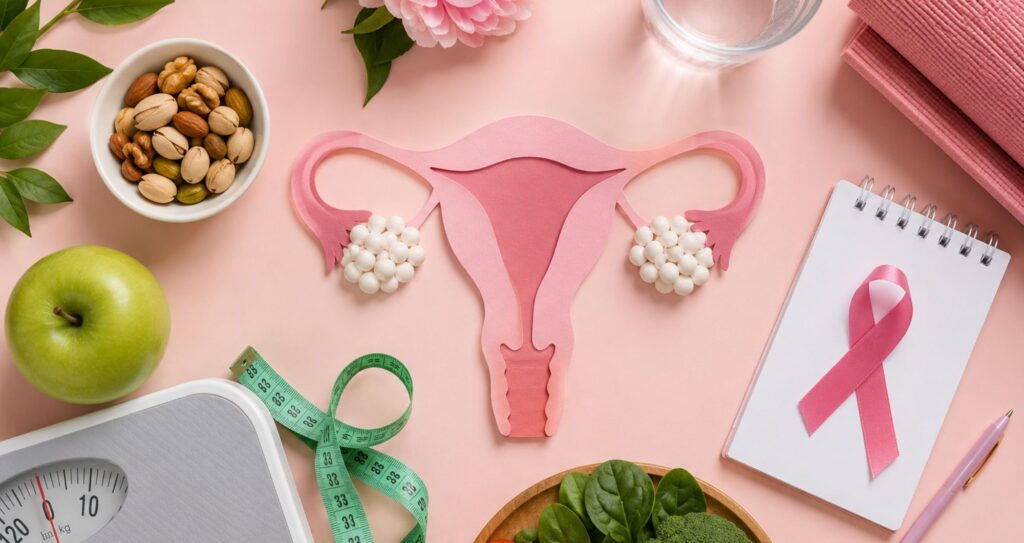
Polycystic Ovary Syndrome, commonly known as PCOS, is a hormonal and metabolic condition that affects women during their reproductive years.
It can influence:
- Menstrual cycles
- Ovulation
- Insulin function
- Weight management
- Skin health
- Fertility
- Energy levels
PCOS affects women differently.
Some struggle with irregular periods.
Others notice weight gain.
Some experience acne or unwanted facial hair.
There isn’t one single PCOS experience.
That’s why personalized care matters.
Why Managing PCOS Naturally Starts With Understanding Your Body
One thing I often notice is that women blame themselves.
They think they aren’t trying hard enough.
They think they lack willpower.
Honestly, that’s rarely the issue.
PCOS affects hormones that influence hunger, metabolism, blood sugar regulation, and fat storage.
When these systems become disrupted, managing symptoms becomes more challenging.
Understanding this helps remove some of the guilt many women carry.
You’re not failing.
Your body simply needs a different approach.
The Link Between PCOS and Insulin Resistance
When discussing PCOS, insulin resistance often enters the conversation.
What Is Insulin Resistance?
Insulin is a hormone that helps move glucose from your bloodstream into your cells.
When cells become less responsive to insulin, the body produces more of it.
Higher insulin levels can contribute to:
- Weight gain
- Increased hunger
- Sugar cravings
- Hormonal imbalances
Research suggests insulin resistance is common among women with PCOS, although not every woman experiences it.
This is one reason nutrition plays such an important role.
The First Natural Step: Build Balanced Meals
Many women expect a complicated plan.
Usually, we start with the basics.
A balanced meal often includes:
- Protein
- Fiber
- Healthy fats
- Complex carbohydrates
Simple, right?
Yet many people skip at least one of these components.
Example of a Balanced Breakfast
Instead of:
- Tea and biscuits
Try:
- Vegetable omelette
- Multigrain toast
- Fruit
The second option provides more protein and fibre, which can support better blood sugar control.
Why Protein Matters in PCOS
Protein is often underestimated.
Women frequently tell me they feel hungry all day.
When we review their meals, protein intake is usually low.
Protein helps:
- Increase fullness
- Reduce cravings
- Support muscle maintenance
- Slow digestion
Good protein sources include:
- Eggs
- Paneer
- Greek yogurt
- Lentils
- Chickpeas
- Fish
- Chicken
- Tofu
Adding protein to every meal is one of the most practical changes you can make.
Don’t Fear Carbohydrates
This may surprise you.
Many women arrive convinced they need to eliminate carbohydrates.
That approach usually creates more stress than results.
Your body needs carbohydrates.
The focus should be on choosing better sources and balancing portions.
Examples include:
- Oats
- Millets
- Brown rice
- Whole wheat roti
- Quinoa
- Fruits
- Legumes
Carbohydrates become less problematic when paired with protein and fibre.
Fibre Deserves More Attention
Fibre helps support:
- Blood sugar balance
- Digestive health
- Fullness after meals
Many women consume far less fibre than recommended.
Easy ways to increase fibre include:
- Adding vegetables to lunch and dinner
- Including fruit daily
- Choosing whole grains
- Eating legumes regularly
Small changes add up.
Why Skipping Meals Often Backfires
Some women with PCOS skip breakfast, hoping to lose weight.
Others stay busy and forget to eat.
The result?
Intense hunger later in the day.
This often leads to:
- Overeating
- Strong cravings
- Energy crashes
Eating regular meals can support better appetite regulation.
Consistency matters more than perfection.
Managing PCOS Naturally Through Movement
Exercise doesn’t have to be extreme.
In fact, many women do better with activities they enjoy.
Good options include:
- Walking
- Strength training
- Yoga
- Cycling
- Swimming
Strength training deserves special mention.
Building muscle may help improve insulin sensitivity over time.
You don’t need to spend hours in a gym.
Regular movement is often enough.
The Role of Sleep in PCOS Management
Sleep rarely gets the attention it deserves.
Yet poor sleep can affect:
- Hunger hormones
- Cravings
- Insulin function
- Energy levels
Many women with PCOS report poor sleep quality.
Simple habits can help:
- Consistent sleep schedule
- Reduced screen time before bed
- Comfortable sleep environment
Sleep is not a luxury.
It’s part of your health plan.
Stress and PCOS
Stress doesn’t cause PCOS.
But it can make symptoms harder to manage.
During stressful periods, many women notice:
- Increased cravings
- Poor sleep
- Reduced motivation
- Irregular eating habits
You don’t need perfect stress management.
You just need tools that work for you.
Some women find relief through:
- Walking
- Meditation
- Journaling
- Deep breathing
- Talking with supportive people
Common Mistakes Women Make When Managing PCOS Naturally
Following Extreme Diets
Very restrictive diets often fail because they are difficult to maintain.
Removing Too Many Foods
Food should not become something you fear.
Restriction can create unnecessary stress.
Relying Only on Supplements
Supplements may help in certain situations.
They should not replace healthy habits.
Expecting Quick Results
PCOS management takes time.
Sustainable changes usually produce better long-term outcomes.
A Real Client Story
One woman came to her consultation carrying a list of foods she had stopped eating.
Rice.
Fruit.
Dairy.
Bread.
She had removed nearly everything she enjoyed.
Despite all these restrictions, she felt tired and frustrated.
Instead of removing more foods, we focused on:
- Balanced meals
- Protein intake
- Better sleep
- Regular meal timing
Within a few months, she reported:
- Improved energy
- Fewer cravings
- Better relationship with food
The biggest change wasn’t weight.
It was confidence.
Can Supplements Help With PCOS?
This is a common question.
Some supplements may be recommended based on individual needs.
Examples include:
- Vitamin D
- Omega-3 fatty acids
- Inositol
- Vitamin B12
The right choice depends on your health status and medical guidance.
There is no universal supplement that works for everyone.
What a Dietitian Looks For During a PCOS Consultation

A good consultation goes beyond calorie counting.
We usually assess:
- Eating habits
- Meal timing
- Sleep quality
- Activity levels
- Stress levels
- Medical history
- Blood test results
The goal is to understand the whole picture.
Not just one symptom.
What Progress Actually Looks Like
Many women focus only on the scale.
There are other signs of improvement, too.
These include:
- Better energy
- Reduced cravings
- More regular eating habits
- Improved sleep
- Improved confidence
- Better relationship with food
These changes matter.
Often more than people realize.
Frequently Asked Questions
Can PCOS be managed naturally?
Many women improve their symptoms through nutrition, physical activity, sleep, stress management, and medical guidance when needed.
What is the best diet for PCOS?
There is no single best diet. Balanced meals that include protein, fibre, healthy fats, and complex carbohydrates tend to work well for many women.
Should women with PCOS avoid carbohydrates?
No. Most women benefit from choosing quality carbohydrate sources and managing portions rather than eliminating carbohydrates completely.
Does weight loss help with PCOS?
For women who are overweight, even modest weight loss may help improve certain symptoms. Every situation is different.
How long does it take to see improvements in PCOS symptoms?
Some women notice better energy and appetite regulation within a few weeks. Hormonal and metabolic changes often take longer.
Can stress worsen PCOS symptoms?
Yes. Chronic stress may affect eating habits, sleep quality, and hormone balance.
Is exercise necessary for PCOS management?
Physical activity can support insulin sensitivity, weight management, and overall health. The best exercise is one you can maintain consistently.
Final Thoughts
Managing PCOS naturally is rarely about finding the perfect diet.
It’s usually about building habits that support your body over time.
Eat balanced meals.
Prioritise protein.
Get enough sleep.
Move regularly.
Manage stress where you can.
And most importantly, give yourself patience.
Progress with PCOS is often gradual.
The women who see lasting improvements are usually not the ones chasing quick fixes.
They’re the ones making small changes consistently.
If you’re looking for personalised support, working with the Best Nutritionist in Bangalore can help you understand your unique symptoms and create a realistic plan that fits your lifestyle.
Author Bio This article was written by the nutrition team at Mitha Aahara. Our team works with women managing PCOS, diabetes, pregnancy nutrition, weight management, and hormone-related health concerns. Through years of nutrition consultations and evidence-based practice, we focus on practical strategies that help women build sustainable habits and improve long-term health