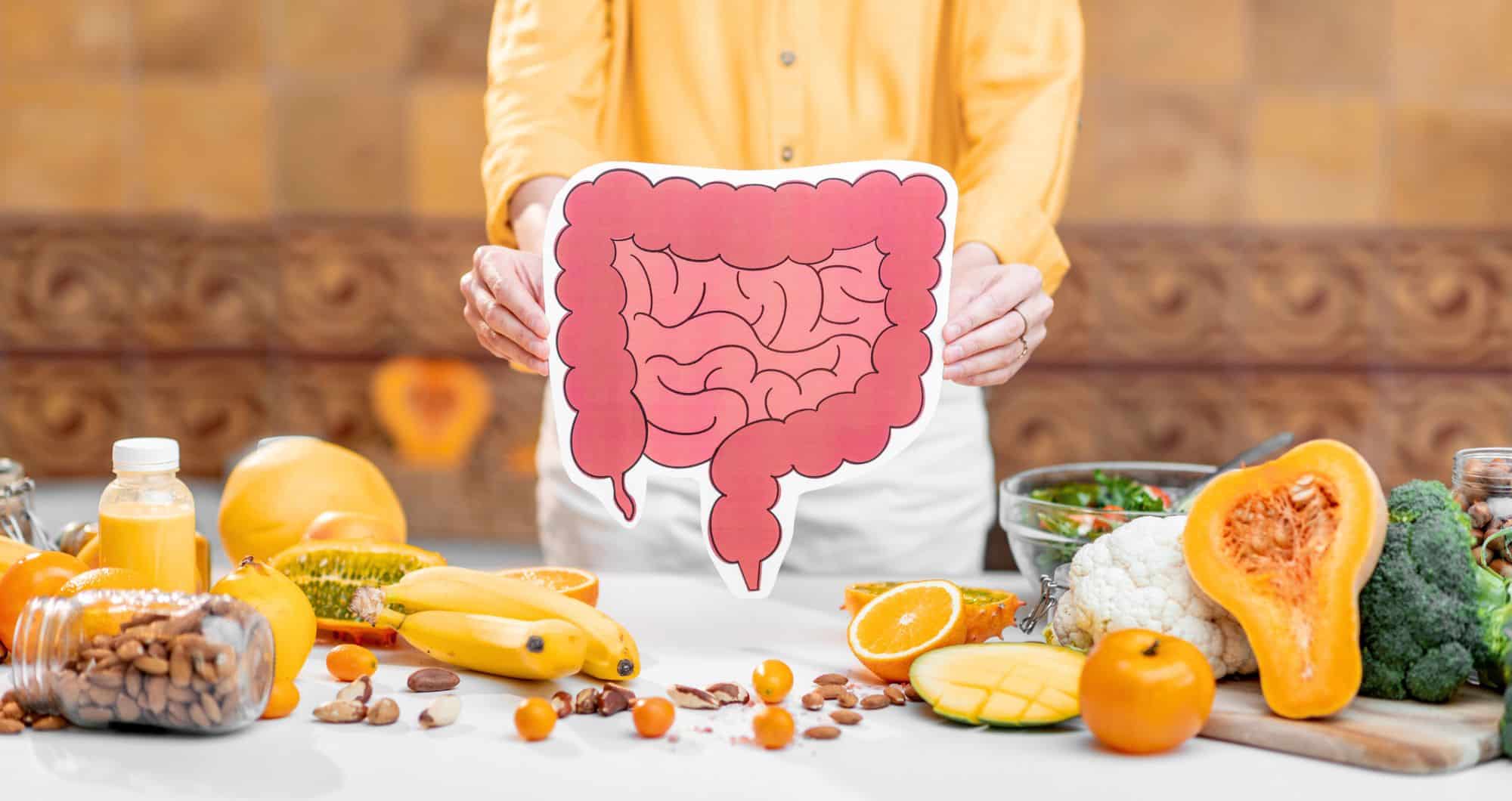
Most people think of digestion when they hear the words “gut health.” You eat, your body processes food, and that’s it. But your gut does much more than just digest food. It quietly affects your mood, your cravings, your energy, and even how easily you gain or lose weight.
If you have been feeling low, tired, bloated, or stuck with stubborn weight despite trying different diets, your gut might be part of the problem. I have seen this pattern often. People focus only on calories and workouts, but they ignore what is happening inside their digestive system.
A good gut health nutritionist usually looks at these hidden signs first, not just the number on the scale.
Let’s talk about the seven clear signs your gut health may be affecting both your mood and your weight.
First, What Does “Gut Health” Really Mean?
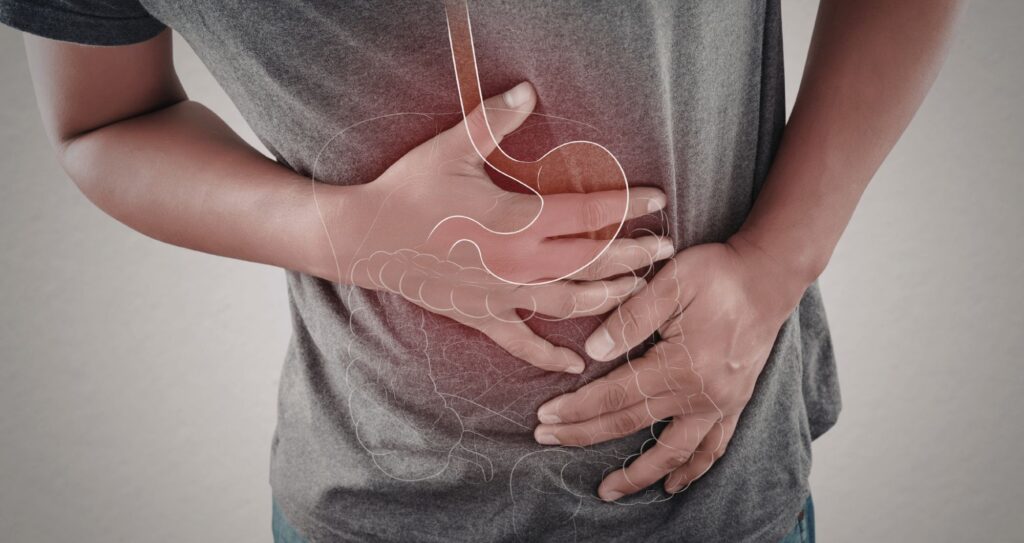
Gut health refers to the optimal function and balance of the gastrointestinal system, including effective digestion, nutrient absorption, and a diverse, stable microbiome
Some bacteria help your body. Some can cause problems if they grow too much.
A balanced gut helps with:
- digestion
- nutrient absorption
- immune function
- mood regulation
- appetite control
When this balance shifts, problems slowly appear.
Sometimes they show up as digestive symptoms.
Other times, the signs are less obvious. Mood changes. Fatigue. Unexplained weight gain.
This is why many people end up visiting a nutritionist or a gut health expert after months of confusion.
Because regular diet advice doesn’t always solve the root problem.
Sign 1: Constant Sugar Cravings
Have you ever eaten a full meal but still wanted something sweet?
That can be a gut signal.
Certain gut bacteria thrive on sugar. When those bacteria increase, they push your brain toward foods that feed them.
It sounds odd. But research supports it.
You may notice patterns like:
- strong cravings after dinner
- needing dessert even when full
- frequent snacking on sweets
Many people blame willpower.
But sometimes the gut microbiome is driving those cravings.
A gut health plan usually focuses on:
- increasing fiber foods
- adding fermented foods
- reducing processed sugar
Over time, cravings often reduce.
Sign 2: Weight Gain That Doesn’t Make Sense
This one confuses many people.
You eat roughly the same foods. Your routine hasn’t changed much.
Still, the weight slowly increases.
The bacteria in your stomach might be affecting the way your body uses calories.
Some of these microorganisms get more energy from the food you eat.
That means your body takes in calories from the same food.
Gut imbalance can also trigger inflammation.
Low grade inflammation affects metabolism and fat storage.
Common patterns people notice:
- belly fat increasing
- weight loss is becoming harder
- slow progress despite dieting
This is when many people look for guidance from the best nutritionist in Bangalore who understands gut health.
Because the solution isn’t always fewer calories.
Sign 3: Bloating After Most Meals
Occasional bloating happens to everyone.
But frequent bloating is different.
If your stomach feels tight or swollen after meals almost every day, your gut may be struggling.
Common digestive signs include:
- gas after eating
- heavy feeling in the stomach
- irregular bowel movements
- constipation followed by loose stools
Possible causes include:
- bacterial imbalance
- food intolerance
- slow digestion
- gut inflammation
Ignoring these symptoms often makes things worse.
Small dietary adjustments can sometimes fix the issue quickly. Other times, it takes structured gut repair.
Sign 4: Mood Swings That Feel Random
This one surprises people.
Your gut and brain talk to each other constantly. Scientists call this the gut brain connection.
Signals travel through nerves and hormones.
Gut bacteria also influence brain chemicals.
When gut balance shifts, some people experience:
- irritability
- sudden mood changes
- feeling anxious without any clear reason
- low motivation
It does not mean gut health is the only factor behind mood.
But it can contribute.
Some people notice their mood improves after their digestion improves.
Strange connection, but very real.
Sign 5: Constant Fatigue
Feeling tired all the time?
Many people assume poor sleep or stress is the reason.
Sometimes it is.
But poor gut health can reduce nutrient absorption.
Even if you eat healthy foods, the body may not absorb nutrients well.
This often affects levels of:
- iron
- vitamin B12
- magnesium
- vitamin D
Low levels of these nutrients can cause:
- low energy
- brain fog
- reduced focus
Fixing digestion often helps restore energy.
Sign 6: Skin Problems
Your skin often reflects what is happening inside the gut.
People with gut imbalance sometimes struggle with:
- acne
- eczema
- redness
- skin irritation
Digestive inflammation can trigger immune responses that affect the skin.
Dermatologists have noticed this pattern for years.
When gut health gets better, skin often becomes calmer over time.
It usually takes patience. Skin changes do not happen overnight. The gut health and skin are connected, so when the gut health improves, the skin often looks better too.
Sign 7: Poor Sleep
Sleep and gut health are closely connected.
Gut bacteria influence serotonin. Serotonin helps regulate melatonin, the sleep hormone.
When gut balance is disturbed, sleep quality may suffer.
People sometimes notice:
- difficulty falling asleep
- waking up during the night
- restless sleep
- waking up tired
Improving gut health can help stabilise sleep cycles.
Simple habits like a better diet, diversity and regular sleep schedules help.
Why Gut Health Affects Weight and Mood
Let’s simplify the science a bit.
Your gut influences three major systems.
Hormones
Gut bacteria affect hunger hormones like ghrelin and leptin.
Inflammation
Poor gut balance increases inflammation. Inflammation slows metabolism.
Brain chemicals
Serotonin and dopamine pathways are linked to gut microbes.
This is why gut health problems rarely stay limited to digestion.
They spread into mood, sleep, energy, and weight.
Practical Ways to Improve Gut Health
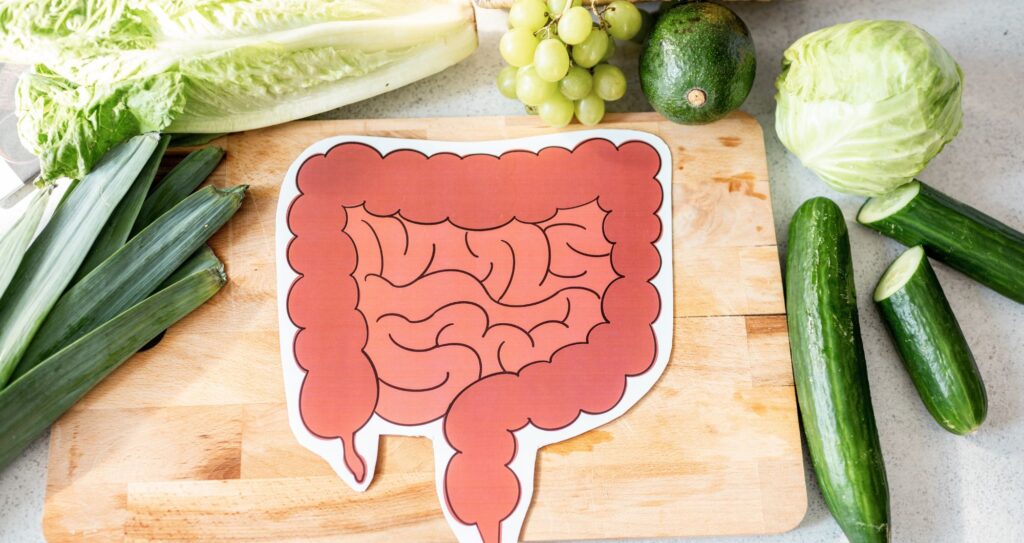
You do not need extreme diets to support your gut.
Small changes often make a big difference.
Start with these steps.
Eat more fiber
Fiber feeds good gut bacteria.
Good options include:
- oats
- lentils
- beans
- vegetables
- fruits
- seeds
Try to include multiple plant foods daily.
Add fermented foods
Fermented foods contain helpful bacteria.
Examples include:
- yogurt with live cultures
- kefir
- fermented vegetables
- traditional pickles
Even small servings help.
Reduce processed foods
Highly processed foods can disturb gut bacteria.
Limit foods like:
- packaged snacks
- sugary drinks
- refined desserts
Whole foods support better digestion.
Manage stress
Stress affects digestion quickly.
Helpful habits include:
- daily walks
- breathing exercises
- consistent sleep routine
Simple habits matter more than complicated plans.
When Should You See a Nutrition Expert?
If symptoms persist for weeks, professional guidance helps.
A qualified gut health specialist will assess:
- diet history
- digestion patterns
- lifestyle habits
- possible food intolerances
This personalized approach works much better than random diet changes.
Many people search for the best nutritionist in Bangalore when they struggle with ongoing digestive or weight issues.
A trained nutritionist can identify triggers and guide the gut healing process step by step.
Common Gut Health Mistakes
People often try quick fixes.
Some of them backfire.
Here are mistakes that appear often.
Taking random probiotic supplements
Different probiotic strains serve different purposes. Random use may worsen symptoms.
Following very restrictive diets
Cutting too many foods can reduce gut diversity.
Ignoring sleep
Poor sleep disrupts gut bacteria quickly.
Expecting fast results
Gut recovery takes time. Improvements usually appear gradually over weeks.
Quick Gut Health Checklist
Ask yourself a few questions.
- Do you experience frequent bloating?
- Do you crave sugar daily?
- Is your weight increasing without any clear reason?
- Do mood swings appear often?
- Is your energy low most days?
If several answers are yes, your gut may need attention.
Why Expertise Matters in Gut Health
Gut health advice on the internet can be confusing.
One article says to remove dairy. Another suggests probiotics for everyone.
Real nutrition practice works differently.
An experienced practitioner studies:
- your symptoms
- your diet patterns
- lab results if needed
- lifestyle habits
Final Thoughts
Your gut influences far more than digestion.
It affects mood. Energy. Sleep. Weight.
The signals from your body are often really subtle at first.
Cravings. Bloating. Fatigue.
People usually ignore them for months.
But when gut health improves, many other areas improve too.
Better mood. More stable energy. Easier weight management.
Small changes in diet and lifestyle can start that process.
And sometimes getting help from a professional can make it a lot clearer what you need to do to improve your gut health and your overall health.
FAQs
What are the early signs of poor gut health?
Early signs include bloating, gas, sugar cravings, and irregular bowel movements. Some people even feel fatigued. They have mood swings.
Can gut health affect mental health?
Yes. The gut produces neurotransmitters like serotonin. Changes in gut bacteria can influence mood and emotional balance.
How long does it take to improve gut health?
Most people notice improvements within four to eight weeks. This happens when they make changes to their diet and lifestyle.
Do probiotics improve gut health?
Probiotics can help in some cases. But diet diversity and fibre intake usually play a bigger role in restoring gut balance.
Should I consult a nutritionist for gut issues?
If digestive problems, fatigue, or unexplained weight gain continue for weeks, consulting the best nutritionist in Bangalore can help identify the root cause and build a personalized nutrition plan.