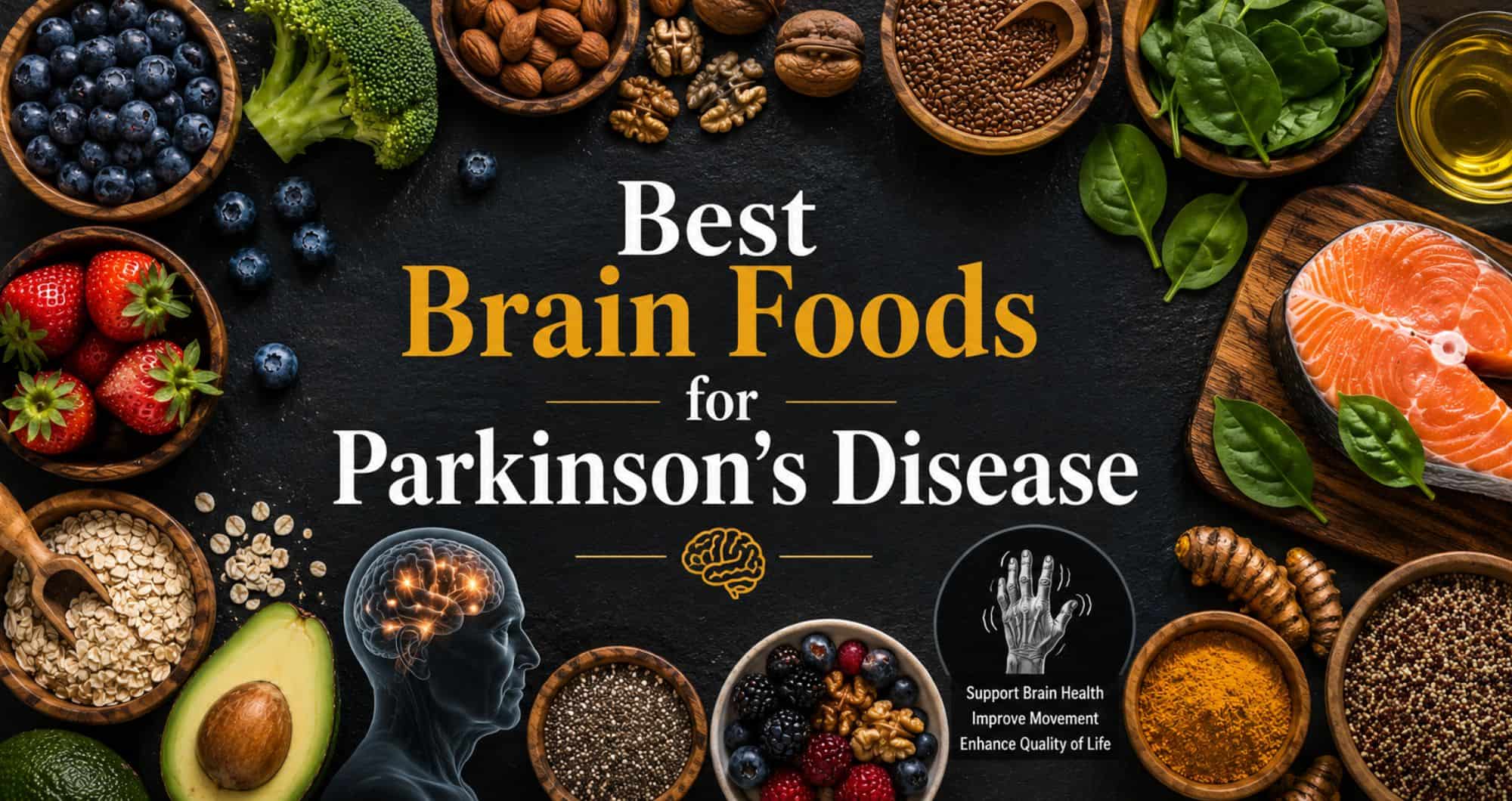
Parkinson’s disease changes life slowly. That is what makes it difficult sometimes.
At first, it may just feel like stiffness in the fingers. A little shaking while holding a cup. Slower walking. People often brush it off. Age, stress, weakness, maybe even poor sleep.
Then things start piling up.
Digestion changes. Appetite drops. Constipation becomes regular. Energy feels low most days. Some people even lose interest in eating because chewing and swallowing feel exhausting.
And honestly, food rarely becomes the first conversation.
Medicines usually come first, which makes sense. They matter a lot. But nutrition plays a bigger role than many families realise. The body needs proper fuel to deal with movement issues, inflammation, fatigue, and muscle loss.
That is where the right Foods for Parkinson’s Disease can help.
Food will not cure Parkinson’s disease. It is better to say that clearly. Still, good nutrition may support brain health, digestion, strength, and daily functioning. Sometimes even small changes in meals make a noticeable difference.
I have seen families focus so much on medicines that they completely overlook hydration or fibre intake. Then constipation becomes severe, appetite drops further, and everything starts feeling harder.
It turns into a cycle.
The good thing is that practical food habits can actually help.
Why Nutrition Matters in Parkinson’s Disease
People usually connect Parkinson’s disease with tremors and movement problems. But there is more happening inside the body.
The condition affects:
- Digestion
- Sleep
- Muscle strength
- Swallowing
- Mood
- Appetite
- Energy levels
Some Parkinson’s medicines also interact with food. Certain meals may slow medication absorption. High-protein meals, for example, can sometimes interfere with levodopa in some people.
That does not mean protein is bad. It just means timing matters.
Nutrition becomes even more important because many people with Parkinson’s unintentionally lose weight. Muscle mass drops faster. Weakness increases. Recovery feels slower.
Simple meals with balanced nutrients often help more than fancy diet trends.
What Happens in the Brain During Parkinson’s Disease?
Parkinson’s disease affects dopamine-producing nerve cells in the brain.
Dopamine helps control movement and coordination. When dopamine levels fall, symptoms begin appearing gradually.
Common symptoms include:
- Tremors
- Slow movement
- Stiff muscles
- Poor balance
- Constipation
- Brain fog
- Sleep issues
- Fatigue
- Anxiety
Researchers are also studying the gut-brain connection in Parkinson’s disease. Some studies suggest gut health may influence inflammation and neurological health.
This explains why digestive problems often appear years before severe movement symptoms.
Interesting, right?
Best Foods for Parkinson’s Disease
Let’s get into the practical part.
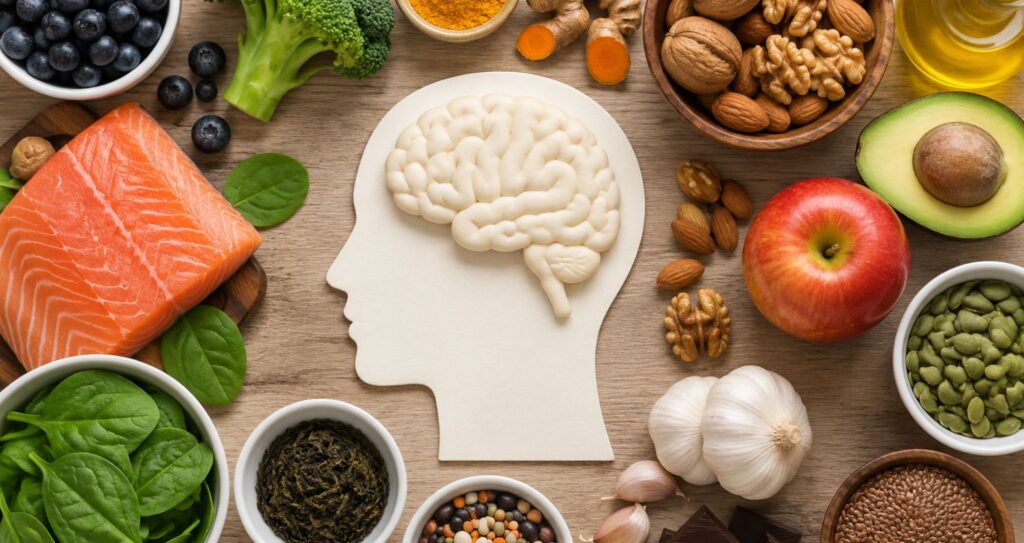
These foods support brain function, digestion, muscle strength, and overall health. You do not need expensive imported products either. Many helpful foods are already part of regular Indian meals.
1. Fatty Fish
Fatty fish contain omega-3 fatty acids. These fats support brain and nerve health.
Good choices include:
- Salmon
- Sardines
- Mackerel
- Tuna
Omega-3 fats may help support memory, mood, and inflammation control.
Some people avoid fish because they think only expensive varieties work. That is not true. Even smaller oily fish can provide useful nutrients.
Try eating fatty fish two times a week if possible.
Vegetarians can include:
- Walnuts
- Flaxseeds
- Chia seeds
Plant sources help too, though absorption differs slightly.
2. Berries
Berries are rich in antioxidants. Antioxidants help protect cells from oxidative stress.
Oxidative stress is linked with brain aging and neurodegenerative conditions.
Helpful berries include:
- Blueberries
- Strawberries
- Blackberries
- Indian jamun during season
You do not need giant smoothie bowls from social media. A small serving works fine.
Some people even add berries to curd or oats for breakfast. Easy and practical.
3. Leafy Green Vegetables
This sounds basic because it is basic.
And basic things often work best.
Leafy greens contain:
- Folate
- Iron
- Magnesium
- Fiber
- Antioxidants
Good options include:
- Spinach
- Methi
- Amaranth leaves
- Drumstick leaves
Constipation is one of the biggest complaints in Parkinson’s disease. Fibre-rich vegetables help bowel movement regularity.
Cooking vegetables more softly can also help people struggling with chewing or swallowing.
Tiny adjustments matter more than perfection.
4. Walnuts and Almonds
Nuts support brain health because they provide healthy fats and vitamin E.
Vitamin E helps protect cells from damage.
Walnuts are especially useful because they contain omega-3 fats.
Easy ways to add nuts:
- Mix into oatmeal
- Add to smoothies
- Crush into porridge
- Eat as evening snacks
Portion size still matters. A small handful is usually enough.
People sometimes overdo “healthy foods” and end up with digestive discomfort. Moderation works better.
5. Whole Grains
Whole grains help maintain steady energy levels.
They also improve digestion because they contain fibre.
Useful options include:
- Oats
- Brown rice
- Millets
- Whole wheat
- Quinoa
Refined foods often digest too quickly and may leave people feeling sluggish later.
Fibre also helps with constipation, which many Parkinson’s patients struggle with daily.
One important thing, though.
Fibre without water can make constipation worse.
Hydration matters just as much.
6. Olive Oil and Healthy Fats
Healthy fats support brain function and help maintain body weight.
Many people with Parkinson’s lose weight without trying. Adding healthy fats can help increase calories without huge meal portions.
Good fat sources include:
- Olive oil
- Groundnut oil
- Sesame oil
- Coconut in moderate amounts
- Avocados, if available
Mediterranean-style eating patterns are often linked with better brain health. That does not mean you need to stop eating Indian food.
Simple home-cooked meals still work beautifully.
7. Curd and Fermented Foods
Gut health keeps coming up in Parkinson’s research for a reason.
Many people with Parkinson’s experience bloating, constipation, or poor digestion.
Fermented foods may support healthy gut bacteria.
Helpful options include:
- Homemade curd
- Buttermilk
- Idli
- Dosa batter
- Kanji
- Fermented rice dishes
Traditional Indian foods already include many naturally fermented options. Sometimes old food habits make more sense than trendy diets.
That is probably why approaches like Mitha Aahara focus so much on simple, balanced eating instead of extremes.
8. Fruits That Support Digestion and Brain Health
Fruits provide antioxidants, hydration, vitamins, and fibre.
Useful fruits include:
- Papaya
- Apple
- Banana
- Orange
- Pear
- Pomegranate
Papaya helps many people with constipation. Bananas are easier to digest for older adults.
Fresh fruit usually works better than packaged juices because juice removes fibre.
Simple difference. Big impact.
9. Protein Matters More Than People Think
Many older adults with Parkinson’s do not eat enough protein.
That creates problems because protein supports:
- Muscle strength
- Recovery
- Balance
- Immune health
Good protein sources include:
- Dal
- Eggs
- Paneer
- Fish
- Chicken
- Greek yogurt
- Tofu
The timing may need adjustment in some people taking levodopa medication.
Some neurologists recommend spacing protein intake away from medication timing. This varies person to person.
A qualified diet professional or the best nutritionist in Bangalore, familiar with neurological nutrition, can help personalise meal timing properly.
10. Water and Hydration
Honestly, dehydration gets ignored too often.
Even mild dehydration may worsen:
- Dizziness
- Fatigue
- Constipation
- Confusion
- Low blood pressure
Older adults sometimes avoid drinking water because of urinary urgency.
Then constipation gets worse.
Aim for regular fluids throughout the day:
- Water
- Coconut water
- Soups
- Buttermilk
- Lemon water
Small, frequent sips work better for many elderly patients.
Foods That May Worsen Symptoms
There is no perfect “avoid completely” list.
Still, some foods may worsen symptoms in certain people.
Highly Processed Foods
Packaged snacks often contain excess sodium, unhealthy fats, and additives.
They usually add calories without useful nutrition.
Excess Sugar
Too much sugar may increase energy crashes and inflammation.
Occasional sweets are fine for most people. Daily excess is different.
Heavy Fried Foods
Deep-fried foods may slow digestion further.
This becomes harder for people already struggling with constipation or bloating.
Excess Alcohol
Alcohol may affect sleep, coordination, and medication response.
Moderation matters.
A Simple Meal Plan for Parkinson’s Disease
People always ask for examples.
So here is a simple daily structure.
Morning
- Warm water
- Medication as prescribed
- Oats with nuts and fruit
- Herbal tea
Mid-Morning
- Papaya or banana
- Coconut water
Lunch
- Brown rice or millet
- Dal
- Soft-cooked vegetables
- Curd
Evening Snack
- Handful of walnuts
- Buttermilk
Dinner
- Khichdi
- Vegetable soup
- Steamed vegetables
Before Bed
- Warm milk with turmeric if tolerated
Nothing fancy.
Mostly regular food prepared thoughtfully.
Common Mistakes Families Make
Ignoring Weight Loss
Weight loss is common in Parkinson’s disease.
Many families notice it late because changes happen slowly.
Depending Too Much on Supplements
Supplements can help in certain cases.
But random supplement use without guidance creates problems, too.
Food should remain the foundation.
Delaying Nutrition Support
People often wait until swallowing issues or severe weakness appear before seeking help.
Early support usually works better.
Making Meals Too Restrictive
Extreme diets create stress.
Older adults need realistic meal plans they can actually follow.
Practical Tips That Help Daily
These small things often make meals easier:
- Serve smaller meals more often
- Use soft textures when needed
- Keep water nearby all day
- Avoid rushing meals
- Add healthy fats to increase calories
- Include fibre slowly
- Focus on consistency instead of perfection
And honestly, patience matters too.
Some days, appetite will be low. Some days, symptoms feel worse. That happens.
Can Diet Prevent Parkinson’s Disease?
There is no guaranteed prevention method.
Still, long-term healthy eating patterns may support brain health and reduce inflammation.
Research often points toward diets rich in:
- Vegetables
- Fruits
- Healthy fats
- Whole grains
- Lean proteins
Physical activity, sleep, stress management, and social connection matter too.
Brain health depends on many factors working together.
Frequently Asked Questions
What are the best Foods for Parkinson’s Disease?
Foods rich in antioxidants, fibre, omega-3 fats, and healthy nutrients may support overall brain health. These include berries, leafy greens, fatty fish, nuts, whole grains, and fermented foods.
Can food cure Parkinson’s disease?
No. Food cannot cure Parkinson’s disease. Nutrition helps support energy, digestion, muscle strength, and overall health alongside medical treatment.
Is coffee good for Parkinson’s disease?
Some research suggests caffeine may support brain health. Still, too much caffeine may worsen sleep or anxiety in certain people.
Why is constipation common in Parkinson’s disease?
Parkinson’s affects the nervous system, including digestion. Reduced gut movement often slows bowel function.
Should Parkinson’s patients avoid protein?
No. Protein is important for muscle health. Some people may need to adjust protein timing around medications.
Which fruit is good for Parkinson’s disease?
Papaya, berries, bananas, apples, oranges, and pears are commonly included because they provide fibre and antioxidants.
Does hydration affect Parkinson’s symptoms?
Yes. Poor hydration may worsen dizziness, fatigue, constipation, and confusion.
Are soft foods better for Parkinson’s patients?
Soft foods may help people who struggle with chewing or swallowing. Texture adjustments often improve comfort and safety.
Can turmeric help Parkinson’s disease?
Turmeric contains curcumin, which has anti-inflammatory properties. It may support general health, though it is not a treatment.
When should someone see a nutritionist?
You should seek nutrition support if your appetite drops, constipation becomes severe, swallowing gets difficult, or your weight changes rapidly.
Final Thoughts
Living with Parkinson’s disease affects much more than movement.
Food habits change. Digestion changes. Energy changes. Some days, even eating feels tiring.
That is why nutrition deserves more attention than it usually gets.
The goal is not a perfect diet. Most people cannot follow perfect diets anyway.
The goal is support.
Better digestion. Stable energy. Easier meals. Less discomfort. More strength for daily life.