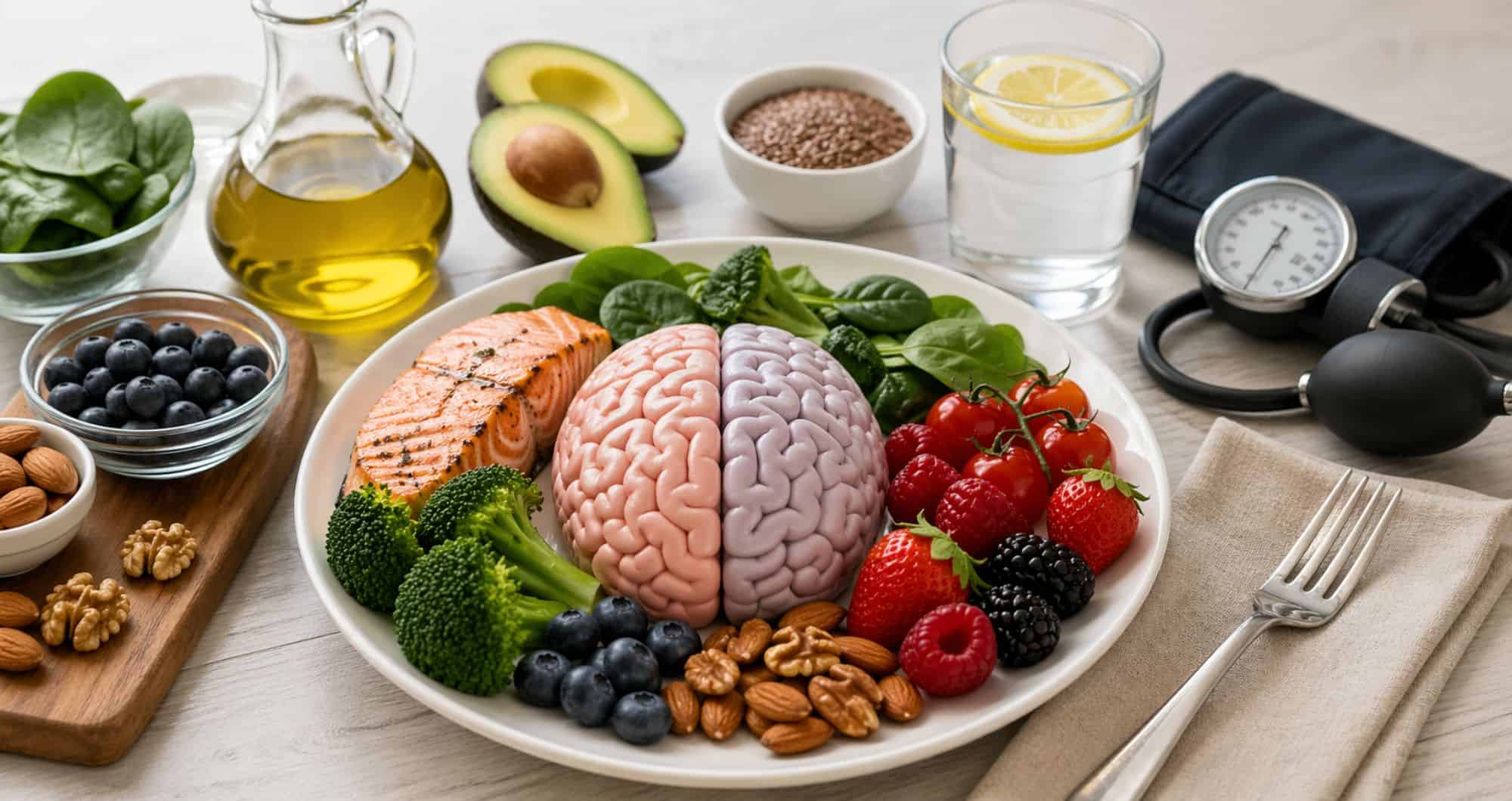
Nutrition after stroke often gets overlooked in the early days of recovery, but it matters more than most people realize.
A stroke changes life quickly. One day feels routine; the next, even simple tasks are challenging. Eating may feel burdensome, with reduced appetite, difficult swallowing, and food seeming less important.
But here’s the part many families miss early on. Nutrition is not secondary after a stroke. It is part of recovery itself. Getting the right expert nutrition guidance early can make a visible difference in recovery speed.
I have seen patients improve mobility, energy, and even speech clarity just by fixing their diet. Slowly, yes. But clearly.
Before diving in, let’s clarify how this guide can support you through the recovery process.
Who This Guide Is For
- Stroke survivors and caregivers
- Beginners trying to understand the post-stroke diet
- Families managing recovery at home
- Patients working with a Neuro Nutritionist
Search Intent: Informational
What Happens to the Body After a Stroke
A stroke interrupts blood flow to the brain. That affects movement, speech, memory, and sometimes swallowing.
But there is another layer. The body enters a stress state. Inflammation increases. Muscle loss starts early. Appetite often drops.
This is why the diet needs to focus on three things:
- Repair brain cells
- Prevent further damage
- Support overall strength
If nutrition is ignored, recovery slows. Simple as that.
What Is Neuro Nutrition
Definition: Neuro nutrition focuses on how food supports brain healing, nerve repair, and cognitive recovery.
A Neuro Nutritionist does not just suggest healthy foods. They align nutrients with brain recovery stages.
They look at:
- Swallowing ability
- Energy levels
- Cognitive function
- Medication interactions
This makes a big difference. A general “healthy diet” is not enough here.
Core Goals of a Post-Stroke Diet
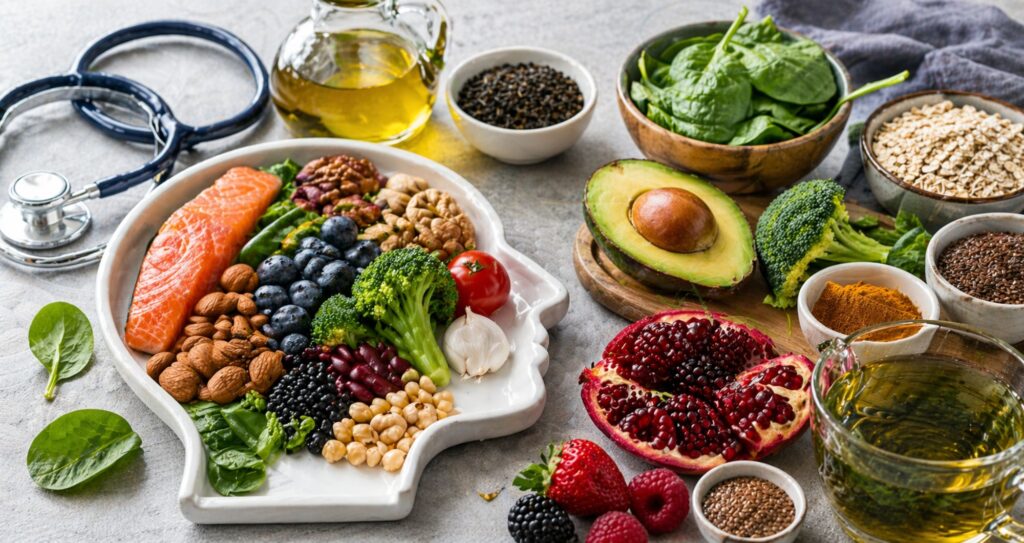
Think of recovery in phases, not just meals.
1. Reduce Inflammation
After a stroke, inflammation remains high. This slows healing.
Foods should lower inflammation, not increase it.
2. Support Brain Repair
The brain needs specific nutrients to rebuild neural connections.
3. Prevent Another Stroke
Diet must control risk factors:
- High blood pressure
- High cholesterol
- Diabetes
4. Maintain Muscle Strength
Patients often lose weight and muscle. That affects mobility.
Best Foods for Stroke Recovery
Let’s keep this practical. These are not exotic foods. Just smart choices.
1. Protein-Rich Foods
Protein supports tissue repair and muscle strength.
Include:
- Eggs
- Dal and lentils
- Paneer or tofu
- Chicken or fish
Real example:
A 62-year-old patient I worked with lost 4 kg in 3 weeks. We added 2 protein-rich meals daily. Within a month, strength improved and fatigue reduced.
2. Omega-3 Fatty Acids
These help brain function and reduce inflammation.
Include:
- Fatty fish like salmon or sardines
- Walnuts
- Flaxseeds
3. Fruits and Vegetables
Focus on variety and colour.
Best choices:
- Spinach
- Carrots
- Berries
- Pumpkin
They provide antioxidants that protect brain cells.
4. Whole Grains
They provide steady energy.
Include:
- Oats
- Brown rice
- Whole wheat roti
Avoid refined flour when possible.
5. Healthy Fats
Not all fats are bad.
Use:
- Olive oil
- Groundnut oil in moderation
- Nuts and seeds
Foods to Avoid After a Stroke
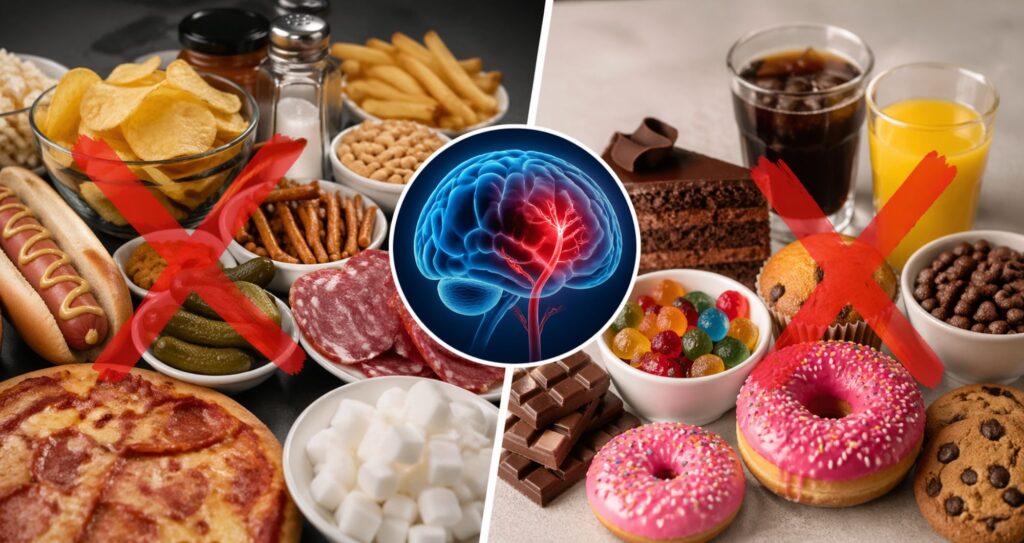
This part matters more than most people think.
High Salt Foods
Salt increases blood pressure.
Avoid:
- Packaged snacks
- Pickles
- Processed foods
Trans Fats and Fried Foods
They increase cholesterol.
Limit:
- Deep-fried snacks
- Bakery items
Excess Sugar
Sugar affects blood sugar levels and inflammation.
Avoid:
- Sugary drinks
- Sweets in excess
Alcohol
Even small amounts can interfere with recovery and medication.
Swallowing Problems After Stroke
Many patients face dysphagia, which means difficulty swallowing.
This is where mistakes happen.
Safe Food Textures
- Soft foods
- Mashed meals
- Thick liquids
Avoid:
- Dry foods
- Hard textures
- Thin liquids, if advised
A Neuro Nutritionist usually works with a speech therapist here.
Small adjustment. Big safety difference.
Sample Daily Meal Plan
This is a simple structure. Adjust based on the patient.
Morning
- Warm water
- Soaked almonds
Breakfast
- Vegetable upma or oats
- Boiled egg
Mid-Morning
- Fruit or smoothie
Lunch
- Roti or rice
- Dal
- Cooked vegetables
- Curd
Evening Snack
- Roasted chana or fruit
Dinner
- Light meal, similar to lunch
- Soup if needed
Before Bed
- Turmeric milk or plain milk
Keep meals small and frequent. Large meals often feel heavy.
Hydration Matters More Than You Think
Dehydration is common after a stroke.
Patients may not feel thirsty.
Aim for:
- 1.5 to 2 litres per day
- More if advised
Use:
- Water
- Coconut water
- Soups
Avoid sugary drinks.
Role of Supplements
Food should come first. Still, some patients need support.
Common supplements:
- Vitamin D
- Vitamin B12
- Omega-3
Do not self-prescribe.
A Neuro Nutritionist checks blood levels before recommending anything.
Common Mistakes Families Make
I see these often.
1. Forcing Food
Patients eat less. That’s normal early on.
Forcing large meals can lead to choking or refusal.
2. Ignoring Texture
Regular food may not be safe.
Always check swallowing ability.
3. Overloading with “Healthy” Foods
Too many changes at once confuse the patient.
Keep it simple.
4. No Meal Timing
Irregular meals affect recovery and energy.
5. Skipping Protein
Many Indian diets lack enough protein.
This slows muscle recovery.
Practical Recovery Tips
Keep things realistic.
- Sit upright while eating.
- Eat slowly
- Use smaller plates
- Maintain routine
- Track weight weekly
Small habits matter more than perfect diets.
How Long Should This Diet Be Followed
This is not a short-term diet.
Stroke recovery nutrition usually continues for:
- 3 to 6 months actively
- Then, the long-term prevention focus
Diet becomes part of lifestyle.
How Long Should Nutrition After Stroke Be Followed
Nutrition after stroke is not a short-term plan. It starts as a recovery-focused diet but gradually becomes a long-term lifestyle.
In most cases:
- The first 3 to 6 months are critical for active healing
- After that, the focus shifts to preventing another stroke and maintaining strength
Recovery does not stop at hospital discharge. The brain continues to heal for months, sometimes years. Your diet should support that process consistently.
In real life, I usually tell patients this. Follow structured nutrition after stroke strictly in the early phase. Once stability improves, keep the same principles but with more flexibility.
The goal is simple.
Not just recovery, but long-term protection.
When to Consult a Neuro Nutritionist
You should not wait too long.
Consult if:
- Appetite is low
- Weight loss continues
- Swallowing issues exist
- Recovery feels slow
Early intervention helps.
Quick Summary
- Nutrition directly affects recovery speed.
- Focus on protein, healthy fats, and whole foods.
- Avoid salt, sugar, and processed foods.
- Adjust food texture if swallowing is difficult.
- Keep meals simple and consistent.
- Work with a Neuro Nutritionist when needed
FAQs
Q1: Can stroke patients follow a normal diet after recovery?
A: Yes, but with restrictions. Salt, unhealthy fats, and sugar should be limited long-term to prevent recurrence.
Q2: How much protein does a stroke patient need daily?
A: Around 1.0 to 1.2 grams per kg body weight in most cases. Needs may vary based on recovery stage and medical condition.
Q3: Are herbal or alternative diets helpful after a stroke?
A: Some may support recovery, but they should not replace medical nutrition therapy. Always consult a professional before trying them.
Q4: Can intermittent fasting help in stroke recovery?
A: Not usually recommended in early recovery. Patients need steady nutrition for healing. Fasting may be considered later under guidance.
Q5: What is the biggest diet mistake after a stroke?
A: Ignoring protein and focusing only on soft carbs like rice or khichdi. This leads to muscle loss and slower recovery.