A diagnosis of gestational diabetes often comes as a surprise.
Many women attend a routine pregnancy screening, expecting everything to be normal. Then they hear the words “your blood sugar levels are higher than expected.”
The first reaction is usually concern. The second is confusion.
Can I still eat fruit? Is rice allowed? Do I need to avoid all carbohydrates? Will my baby be affected?
These questions are completely normal.
The good news is that gestational diabetes can often be managed successfully with the right nutrition, regular monitoring, and healthy lifestyle habits. In many cases, small changes in food choices and meal timing can make a significant difference in blood sugar control.
This article explains what gestational diabetes is, what foods support healthy blood sugar levels during pregnancy, which foods are best limited, and how to create a practical gestational diabetes diet plan that works in real life.
What Is Gestational Diabetes?
Gestational diabetes mellitus, often called GDM, is a type of diabetes that develops during pregnancy.
It occurs when pregnancy hormones make it harder for the body to use insulin effectively. As a result, blood glucose levels rise above the normal range.
Definition:
Gestational diabetes is a condition during pregnancy in which blood sugar levels become higher than normal due to increased insulin resistance.
Most women are screened between 24 and 28 weeks of pregnancy. Some women may require earlier testing if they have risk factors such as obesity, polycystic ovary syndrome, previous gestational diabetes, or a family history of diabetes.
Why Diet Matters in Gestational Diabetes
Food directly affects blood sugar levels.
When you eat carbohydrates, your body breaks them down into glucose. This glucose enters the bloodstream and causes blood sugar levels to rise.
The goal of a gestational diabetes diet is not to eliminate carbohydrates.
The goal is to choose the right carbohydrates, eat them in appropriate portions, and combine them with protein and healthy fats to slow glucose absorption.
A well-planned diet can help:
• Maintain stable blood sugar levels
• Support healthy fetal growth
• Reduce pregnancy complications
• Lower the need for insulin medication in some cases
• Promote healthy weight gain during pregnancy
Can Gestational Diabetes Harm the Baby?
When blood sugar remains uncontrolled, complications may increase.
Potential risks include:
• Excessive birth weight
• Preterm delivery
• Birth complications
• Low blood sugar in newborns
• Increased risk of obesity later in life
• Increased risk of type 2 diabetes later in life
The reassuring part is that good blood sugar management significantly reduces these risks.
What Should You Eat with Gestational Diabetes?
The best gestational diabetes diet focuses on balance.
You need carbohydrates for energy and fetal development. You also need protein, healthy fats, vitamins, minerals, and fiber.
Let’s break it down.
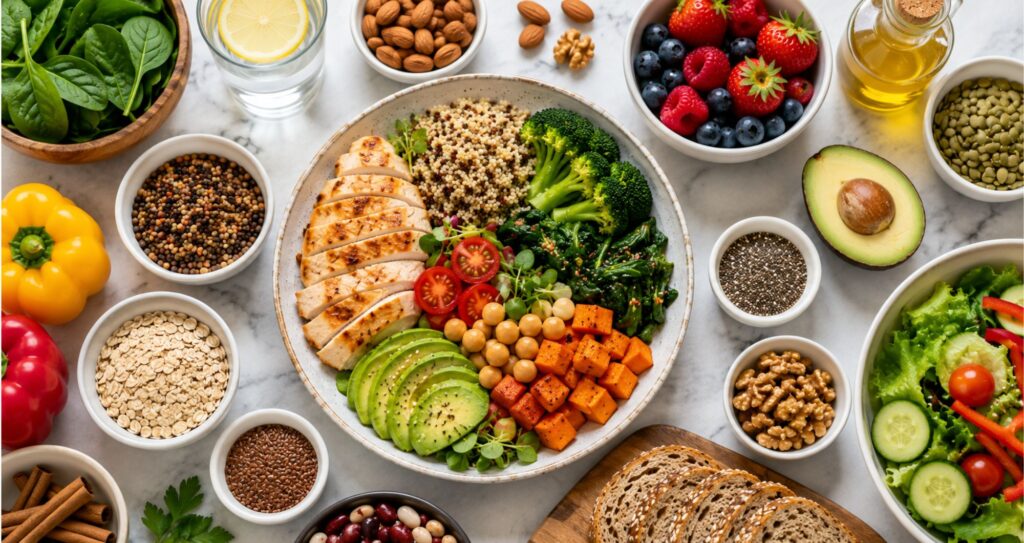
Best Foods to Include in a Gestational Diabetes Diet
- Non-Starchy Vegetables
Vegetables are rich in fiber, vitamins, and minerals while having minimal impact on blood sugar levels.
Excellent choices include:
• Spinach
• Fenugreek leaves
• Cabbage
• Cauliflower
• Broccoli
• Bell peppers
• Cucumber
• Zucchini
• Green beans
• Lettuce
Aim to fill at least half your plate with vegetables at lunch and dinner.
- High-Quality Protein Sources
Protein helps slow glucose absorption and supports your baby’s growth.
Good options include:
• Eggs
• Fish
• Chicken
• Turkey
• Paneer
• Greek yogurt
• Tofu
• Lentils
• Chickpeas
• Kidney beans
Including protein in every meal is one of the simplest ways to improve blood sugar control.
- Whole Grains
Whole grains generally digest more slowly than refined grains.
Better choices include:
• Oats
• Brown rice
• Quinoa
• Whole wheat roti
• Millets
• Barley
Portion size still matters.
Even healthy carbohydrates can raise blood sugar if consumed in excess.
- Healthy Fats
Healthy fats improve satiety and slow digestion.
Include:
• Avocados
• Almonds
• Walnuts
• Pistachios
• Chia seeds
• Flaxseeds
• Olive oil
• Peanut butter without added sugar
Healthy fats are especially useful for balancing meals and snacks.
- Low-Glycemic Fruits
Fruit contains natural sugar, but many fruits can still fit into a gestational diabetes meal plan.
Suitable options include:
• Apples
• Pears
• Guava
• Berries
• Kiwi
• Orange
• Peach
Pair fruit with protein whenever possible.
For example:
• Apple with almonds
• Guava with roasted chana
• Pear with Greek yogurt
This combination reduces rapid blood sugar spikes.
Foods to Limit or Avoid
Certain foods tend to raise blood sugar quickly.
These foods should be limited or avoided whenever possible.
Sugary Drinks
Liquid sugar enters the bloodstream rapidly.
Avoid:
• Soft drinks
• Sweetened juices
• Energy drinks
• Sweetened iced tea
• Flavoured coffee beverages
Choose water, buttermilk, lemon water without sugar, or plain coconut water in moderation.
Refined Carbohydrates
Refined grains often cause faster blood sugar increases.
Limit:
• White bread
• White rice in large portions
• Bakery products
• Cookies
• Cakes
• Pastries
Sweets and Desserts
These foods usually combine sugar and refined flour.
Examples include:
• Gulab jamun
• Jalebi
• Cakes
• Chocolates
• Ice cream
• Traditional sweets
They can cause significant glucose spikes.
Highly Processed Snacks
Many packaged foods contain hidden sugars and refined starches.
Examples include:
• Chips
• Namkeen mixtures
• Sweet cereals
• Crackers
• Packaged snack foods
Always check nutrition labels.
Understanding the Glycemic Index
The glycemic index measures how quickly a food raises blood sugar.
Low glycemic foods are generally preferred because they produce a slower rise in blood glucose.
Examples of lower glycemic foods include:
• Oats
• Lentils
• Chickpeas
• Most vegetables
• Apples
• Pears
• Quinoa
This does not mean you must memorize glycemic index charts. It simply helps explain why some foods affect blood sugar differently.
Sample Gestational Diabetes Diet Plan
Breakfast
• Vegetable omelette
• One whole wheat roti
• Unsweetened milk
Or
• Oats cooked with nuts and seeds
Mid-Morning Snack
• Guava
• Handful of almonds
Lunch
• Whole wheat roti
• Dal
• Mixed vegetable sabzi
• Salad
• Curd
Evening Snack
• Roasted chana
• Buttermilk
Dinner
• Grilled paneer or chicken
• Vegetable stir-fry
• Small serving of brown rice
Bedtime Snack
• Unsweetened Greek yogurt
• Handful of walnuts
Many women notice better fasting blood sugar levels when they include a balanced bedtime snack.
Meal Timing Matters Too
What you eat matters.
When you eat matters as well.
Many gestational diabetes specialists recommend:
• Three balanced meals daily
• Two to three healthy snacks
• Avoiding long gaps between meals
• Eating breakfast within one hour of waking
Large meals can cause bigger blood sugar spikes.
Smaller, balanced meals are often easier for the body to manage.
Common Mistakes Women Make
Skipping Carbohydrates Completely
Carbohydrates are important during pregnancy.
The focus should be on choosing quality carbohydrates and appropriate portions.
Eating Fruit Alone
Fruit is healthy, but pairing it with protein or healthy fat usually improves blood sugar control.
Skipping Meals
Many women assume eating less will lower blood sugar.
In reality, skipping meals can make blood sugar harder to manage.
Overeating Healthy Foods
Brown rice, oats, fruits, and whole wheat products are healthy.
Portion size still matters.
Ignoring Blood Sugar Monitoring
Food journals and glucose readings provide valuable feedback.
They help identify which foods work best for your body.
A Real-Life Example
One pregnant woman diagnosed with gestational diabetes at 28 weeks was consuming fruit smoothies, fruit juices, and large portions of rice because she believed they were healthy choices.
After meeting with a prenatal nutrition specialist, she switched to whole fruits, increased protein intake, reduced portion sizes, and spaced meals more evenly throughout the day.
Within a few weeks, her blood sugar readings improved significantly without medication.
This is a common pattern.
Small dietary adjustments often create meaningful improvements.
When Should You Consult a Nutritionist?
Every pregnancy is different.
A registered dietitian or prenatal nutrition expert can help if:
• Blood sugar remains elevated
• You are unsure about meal planning
• You follow a vegetarian diet
• You have multiple food restrictions
• You need insulin therapy
Professional guidance can make meal planning much less stressful. Consulting the Best Nutritionist in Bangalore can help you create a personalized gestational diabetes diet plan, manage blood sugar levels effectively, and support a healthier journey for both mother and baby.
Frequently Asked Questions
Q1. Can I eat rice with gestational diabetes?
Yes. Portion control is important. Pair rice with protein, vegetables, and healthy fats to reduce blood sugar spikes.
Q2. Which fruits are best for gestational diabetes?
Apples, pears, berries, guava, oranges, and kiwi are generally good choices when eaten in appropriate portions.
Q3. Is gestational diabetes permanent?
For most women, blood sugar levels return to normal after delivery. However, the future risk of type 2 diabetes increases.
Q4. Can exercise help manage gestational diabetes?
Yes. Regular physical activity improves insulin sensitivity and can help lower blood sugar levels.
Q5. How much water should I drink?
Hydration needs vary, but most pregnant women benefit from drinking water consistently throughout the day.
Practical Summary
If you have gestational diabetes, focus on balanced meals that combine protein, fibre-rich carbohydrates, vegetables, and healthy fats. Limit sugary drinks, refined grains, sweets, and heavily processed foods. Monitor blood sugar regularly, stay physically active as advised by your healthcare team, and avoid skipping meals.
Most importantly, remember that gestational diabetes is manageable. Many women successfully maintain healthy pregnancies by making consistent dietary changes and following professional guidance.
Final Takeaway
A gestational diabetes diagnosis can feel overwhelming at first, but it does not mean you have failed or that your pregnancy is unhealthy. It simply means your body needs additional support in managing blood sugar during pregnancy. Small changes in food choices, portion sizes, and meal timing often lead to meaningful improvements. Focus on progress, stay consistent, and work closely with your healthcare team. Every balanced meal is a step toward supporting both your health and your baby’s development.