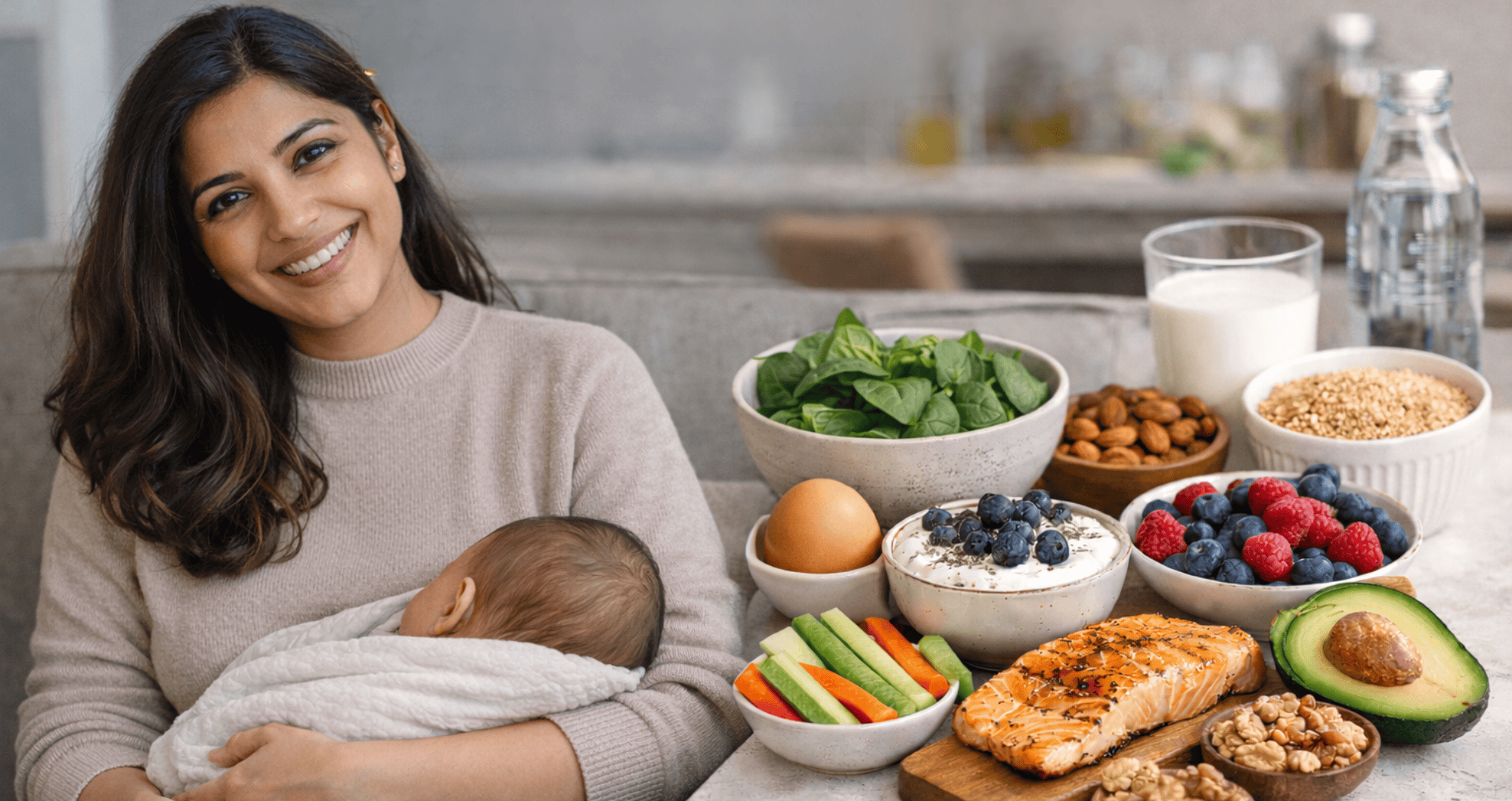
You finally delivered. Everyone asks about the baby.
But no one really asks how you’re eating.
And honestly, you might not even know yourself.
Some days, you grab tea and biscuits and move on.
Some days, you feel constantly hungry.
Other days, food doesn’t feel important.
But your body is working hard right now. Healing. Producing milk and trying to rebalance everything.
So yeah, what you eat now matters. Maybe more than during pregnancy.
Let’s talk about it in a real way.
Why Postpartum Nutrition Feels So Confusing
You hear too many things.
Eat more.
Don’t gain weight.
Have ghee. Avoid fat.
Drink milk. Skip sugar.
It gets messy.
If you had gestational diabetes, it gets even more confusing. You might wonder, ” Do I still need to follow those rules?
Short answer: a few of them, yes.
This is where a gestational diabetes dietitian can help. Not forever. Just to guide you through this phase.
What Your Body Is Actually Doing Right Now
Let’s break it down simply.
After delivery, your body is:
- Healing internal tissues
- Managing blood loss recovery
- Balancing hormones
- Producing breast milk
That’s a lot happening at once.
And yet, many women eat less during this phase. Mostly because they are tired or too busy.
Does that sound like you?
What Happens If You Don’t Eat Well
You’ll notice it slowly.
- Low energy all day
- Constant cravings
- Mood swings
- Poor milk supply
- Hair fall after a few weeks
It’s not random. Your body is asking for nutrients.
How Much Should You Eat
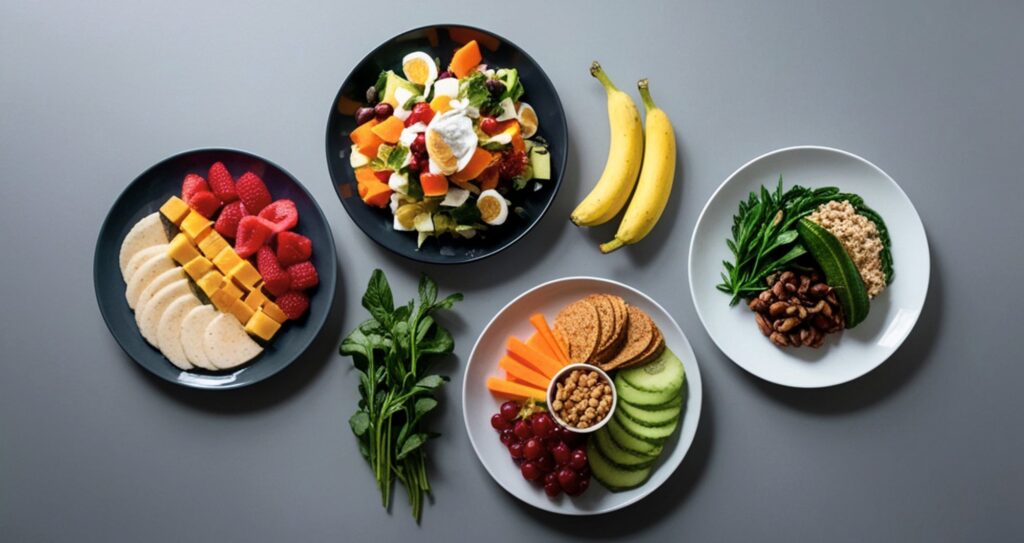
You don’t need to count every calorie.
But here’s a rough idea.
If you are breastfeeding:
- Add 400 to 500 extra calories daily
If you are not breastfeeding:
- Eat normally, focus on recovery
If you had gestational diabetes:
- Keep meals balanced
- Avoid sugar spikes
- Don’t go back to random eating
Simple, right?
The Nutrients You Really Need
Let’s keep this practical.
You don’t need fancy foods.
You need consistency.
Protein
This is where most women go wrong.
You need protein for healing and milk production.
Include:
- Eggs
- Dal
- Paneer
- Chicken
- Curd
Simple example.
If your breakfast is just tea and toast, you’ll feel tired by 11 am.
Try adding:
- 2 eggs
- Or moong chilla
You’ll feel the difference.
Iron
Delivery often leads to blood loss.
Low iron means fatigue.
Eat:
- Spinach
- Beetroot
- Jaggery
- Dates
Add lemon for better absorption.
Calcium
Breastfeeding uses your calcium stores.
Include:
- Milk
- Curd
- Ragi
- Sesame seeds
Skipping this leads to joint pain later. Many women ignore it.
Healthy Fats
Don’t fear fats.
Your body needs them.
Include:
- Ghee in small amounts
- Nuts
- Seeds
Just don’t overdo it.
Fluids
You’ll feel thirsty more often.
That’s normal.
Drink:
- 2.5 to 3 litres daily
- Water
- Coconut water
- Soups
Low fluids can reduce milk supply. It happens quickly.
A Simple Daily Meal Plan
You don’t need complicated recipes.
Keep it easy.
Morning:
- Warm water
- 5 soaked almonds
Breakfast:
- Vegetable omelette
- Or dal chilla
Mid-morning:
- Fruit
Lunch:
- Roti or rice
- Dal or chicken
- Sabzi
- Curd
Evening:
- Roasted chana
- Or a handful of nuts
Dinner:
- Khichdi
- Or light roti sabzi
Before bed:
- Milk
If you had gestational diabetes, reduce the rice quantity and add more protein.
Breastfeeding Diet Tips That Work in Real Life
Let’s be honest. You don’t have time for perfect meals.
So, focus on small habits.
- Eat every 3 to 4 hours
- Don’t skip breakfast
- Keep snacks ready
- Drink water after every feed
You don’t need special “milk boosting” foods.
You need to eat regularly.
Can You Lose Weight Now
You might want to.
But rushing it backfires.
Your body needs time.
What works better:
- First 6 weeks, focus on recovery
- After that, start light activity
- Keep meals balanced
Crash diets reduce milk supply. I’ve seen it happen many times.
If You Had Gestational Diabetes
This part matters.
Many women stop caring about sugar levels after delivery.
That’s risky.
Your body can still have insulin resistance.
So do this:
- Eat balanced meals
- Avoid sugary drinks
- Add fiber
- Check blood sugar after 6 weeks
A gestational diabetes dietitian can help you adjust your meals without making it complicated.
Real example.
One new mom went back to sweets daily after delivery. Within a month, her sugar levels went up again.
Small changes fixed it.
Foods You Should Limit
No need for strict rules.
Just be mindful.
Limit:
- Packaged snacks
- Sugary drinks
- Deep fried foods
- Too much caffeine
Watch your baby too.
Sometimes certain foods cause:
- Gas
- Fussiness
Not always. But keep an eye.
Common Mistakes I See Often
These are very common.
- Eating too little
- Skipping protein
- Overeating sweets like laddoos
- Not drinking enough water
- Following random online diets
You don’t need a perfect diet.
You need a consistent one.
How to Make Eating Easier
Because let’s be real. You’re tired.
Try this:
- Cook in batches
- Keep boiled eggs ready
- Store cut fruits
- Keep nuts nearby
You don’t need variety every day.
You need food available when you’re hungry.
When Should You Get Help
Sometimes you need guidance.
Consider it if:
- You had gestational diabetes
- You feel very low energy
- Milk supply feels low
- Weight changes feel extreme
A gestational diabetes dietitian can only guide you. No complicated charts.
Quick Daily Checklist
If you forget everything else, remember this.
- Did you eat every 3 to 4 hours
- Did you include protein
- Did you drink enough water
- Did you avoid too much sugar
That’s enough.
FAQs
Q1. When should I start focusing on postpartum nutrition
Right after delivery. Start simple. Don’t wait.
Q2. Do I need a strict diet after gestational diabetes
Not strict. Just balanced. A gestational diabetes dietitian can guide you.
Q3. What increases milk supply
Regular meals and fluids. Not one specific food.
Q4. Can I drink coffee
Yes, but limit it. One cup is fine.
Q5. Why do I feel so hungry while breastfeeding
Your body needs more energy. It’s normal.
Q6. Can gestational diabetes turn into type 2 diabetes later
Yes, in some cases. Regular monitoring helps prevent it.
Q7. How much protein do I actually need postpartum
Around 70 to 100 grams daily, depending on your body.
Q8. Is it okay to follow intermittent fasting after delivery
Not during early postpartum. It can affect recovery and milk supply.
Q9. How long should I follow a structured diet
At least 3 months. Your body is still recovering.
Q10. Should I take supplements or rely on food
Food first. Supplements only if needed.