You try to eat better.
You cut down junk.
You even Google things like “foods to increase fertility in women” at night.
Still, it feels confusing.
What actually works?
I’ve worked as a fertility nutritionist for years, and honestly, most women are not far off. They’re doing a few things right, a few things not so right, and no one really explains the “why” clearly.
Let’s break down fertility nutrition together and move step by step to see what actually matters.
Why Food Matters More Than You Think
Your body doesn’t separate “health” and “fertility.”
It uses the same systems.
Hormones. Blood sugar. Nutrient levels.
If these are off, your cycle usually shows it.
Common Signs Your Diet May Be Affecting Fertility
- Late or irregular periods
- Low energy
- Sugar cravings
- Mood swings
These are not random.
They often connect back to how you eat every day.
And no, you don’t need a perfect diet.
You need a consistent one.
What a Fertility Nutritionist Actually Focuses On
Quick clarity here.
A fertility nutritionist looks at:
- Your eating patterns
- Nutrient gaps
- Hormone signals from your body
- Lifestyle habits that affect ovulation
What This Means in Real Life
It’s not about fancy diets.
It’s about small changes your body can respond to.
Sometimes it’s as simple as:
- Adding protein to breakfast
- Not skipping meals
Sounds basic, but it works.
The 10 Best Foods to Increase Fertility in Women
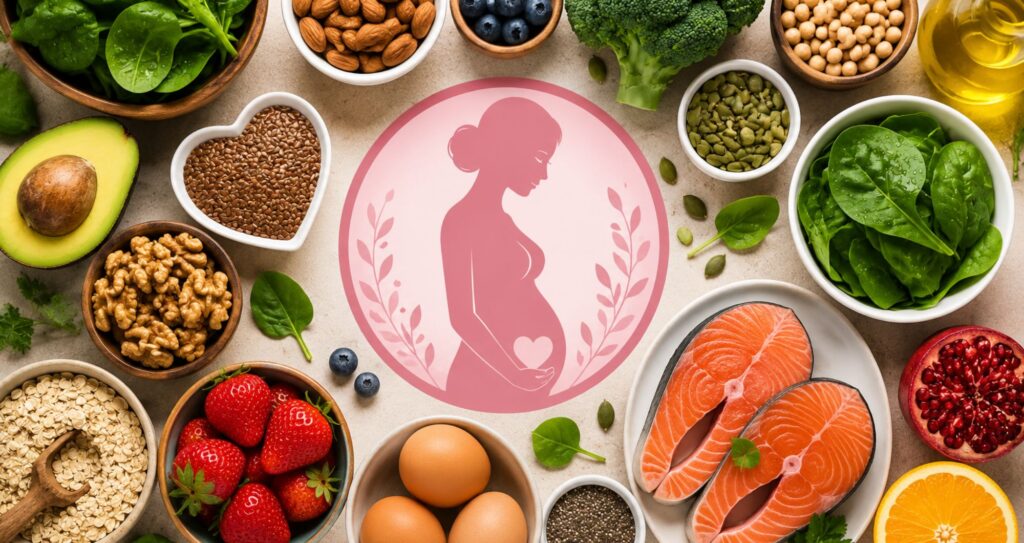
Let’s get into the real stuff.
These are foods I suggest again and again.
Not because they’re trendy. Because they show results over time.
1. Leafy Greens
Examples
Spinach, methi, kale
Why They Help
- Rich in folate
- Support egg development
- Help your uterine lining.
Easy Ways to Add
- One bowl of sabzi daily
- Add spinach to the dal.
2. Whole Eggs
Why They Help
- High in choline
- Support egg quality
- Provide protein and fat.
How to Eat
- 1 to 2 eggs daily
- Boiled or omelette
3. Nuts and Seeds
Examples
Almonds, walnuts, flaxseeds, pumpkin seeds
Why They Help
- Healthy fats
- Omega 3
- Hormone support
Simple Habit
- A small handful mid-morning
4. Lentils and Legumes
Examples
Dal, chickpeas, beans
Why They Help
- Rich in plant protein
- Help balance blood sugar.
- Provide iron
Low iron can affect ovulation. This shows up more often than people expect.
Daily Tip
- Include at least one serving of dal.
5. Full-Fat Dairy
Examples
Curd, paneer, milk
Why It Helps
- May support ovulation
- Provides calcium and fats
Important Note
If you tolerate dairy, include it.
If not, don’t force it.
6. Berries
Examples
Blueberries, strawberries
Why They Help
- Rich in antioxidants
- Help protect egg quality.
Your body deals with internal stress daily. These foods help reduce that impact.
7. Avocados
Why They Help
- Rich in healthy fats
- Support hormone balance
How to Use
- Add to salads
- Spread on toast
If not available, use nuts and seeds more often.
8. Fatty Fish
Examples
Salmon, sardines
Why They Help
- Omega-3 fatty acids
- Reduce inflammation
- Support blood flow
Frequency
- 2 times per week
Vegetarian? Focus more on seeds like flaxseeds.
9. Whole Grains
Examples
Oats, brown rice, millets
Why They Help
- Control blood sugar
- Support ovulation
Smart Swaps
- White bread to oats
- White rice to brown rice occasionally
10. Citrus Fruits
Examples
Oranges, lemons
Why They Help
- Vitamin C
- Helps iron absorption
- Supports hormones
Simple Habit
- Lemon water in the morning
- One fruit daily
How to Actually Eat These Foods Daily
This is where most people get stuck.
You know the foods. But how do you use them daily?
Simple Meal Structure
- Breakfast: protein + fiber
- Lunch: dal + sabzi + grain
- Snack: fruit + nuts
- Dinner: light and balanced
Example Day
- Oats with seeds for breakfast
- Dal, rice, sabzi for lunch
- Fruit and almonds for a snack
- Paneer or fish with vegetables for dinner
Not perfect. Just balanced.
A Real Case I’ve Seen
One client, early 30s.
She said, “I eat healthy, but nothing is working.”
We looked closer.
What Was Going Wrong
- Skipping breakfast
- Too much tea
- Very low protein intake
What We Changed
- Regular meals
- Added eggs and dal
- Reduced sugar
What Happened in 2 to 3 Months
- Cycle improved
- Energy increased
- Cravings reduced
No extreme plan. Just consistency.
Common Mistakes That Slow Down Fertility
You might be doing one of these without noticing.
- Skipping meals
- Eating too little fat
- Overusing “diet foods”
- Too much caffeine
- Low protein intake
- Depending only on supplements
Quick Self-Check
Are you eating real meals or just managing hunger?
There’s a difference.
Many people wonder about supplements. Let’s clarify when they actually matter.
Sometimes yes.
But not always.
Food should come first.
Common Supplements Suggested
- Folic acid
- Vitamin D
- Omega 3
These depend on your body. Testing helps.
How Long Before You See Results?
This part takes patience.
Your body needs time.
Egg development itself takes a few months.
Timeline
- 8 to 12 weeks for noticeable changes
You may feel better earlier.
But bigger changes take time.
Quick Daily Checklist
If you want something simple, follow this.
Daily Habits
- Eat at least 2 proper meals.
- Add protein to each meal.
- Eat one fruit
- Include one green vegetable.
- Add healthy fats
That’s it.
No complicated plan needed.
FAQs
What are the best foods to increase fertility in women?
Leafy greens, eggs, nuts, seeds, lentils, and whole grains are helpful.
Can food really improve fertility?
Yes, to a point.
It supports hormones, egg quality, and ovulation.
How much protein do you need for fertility?
Most women need more than they think.
Add protein to each meal.
Is dairy good for fertility?
Full-fat dairy may help in some cases.
It depends on your body.
Should you avoid carbs?
No.
Choose whole grains like oats and millets.
Advanced FAQs
Does sugar affect fertility?
Yes.
High sugar can affect insulin and hormone balance.
Can weight affect fertility?
Yes.
Even small changes can impact ovulation.
Is fasting okay when trying to conceive?
Long fasting gaps may affect hormones in some women.
Regular meals work better.
Do antioxidants help egg quality?
They help reduce internal stress, which affects egg health.
Can you follow a vegetarian fertility diet?
Yes.
Focus on protein, iron, and healthy fats.
Final Thoughts
You don’t need a perfect diet.
You need a repeatable one.
Eat real food.
Eat regularly.
Give your body time.
That’s where most results come from.