Your brain needs more than just calories to function well. It needs a steady supply of nutrients from a balanced diet. Foods for brain health can provide protein, healthy fats, vitamins, minerals, fibre and antioxidants that support normal brain function.
A Neuro Nutritionist looks at the overall diet rather than treating one food as a magic solution. Fatty fish, eggs, nuts, seeds, leafy vegetables, berries and whole grains can all fit into a brain-friendly eating pattern. The goal is not to eat expensive “superfoods”. It is to build simple habits you can follow regularly.
Quick Answer
Some of the best foods for brain health include fatty fish, eggs, walnuts, flaxseeds, leafy green vegetables, berries, whole grains, beans and unsweetened dairy or fermented foods. These foods provide nutrients such as omega-3 fats, protein, B vitamins, fibre and antioxidants that support normal brain function.
What Is Neuro-Nutrition?
Neuro-nutrition is the study and practical use of nutrition to support brain and nervous system health.
A neuro-nutritionist may consider factors such as:
- Overall eating pattern
- Protein intake
- Healthy fat intake
- Vitamin and mineral status
- Hydration
- Blood sugar management
- Gut health
- Age and lifestyle
- Existing neurological conditions
- Medication and nutritional interactions, where relevant
This is different from simply making a list of “brain foods”.
For example, eating walnuts once a week won’t compensate for a diet that is consistently low in protein, fibre and vegetables.
The bigger picture matters.
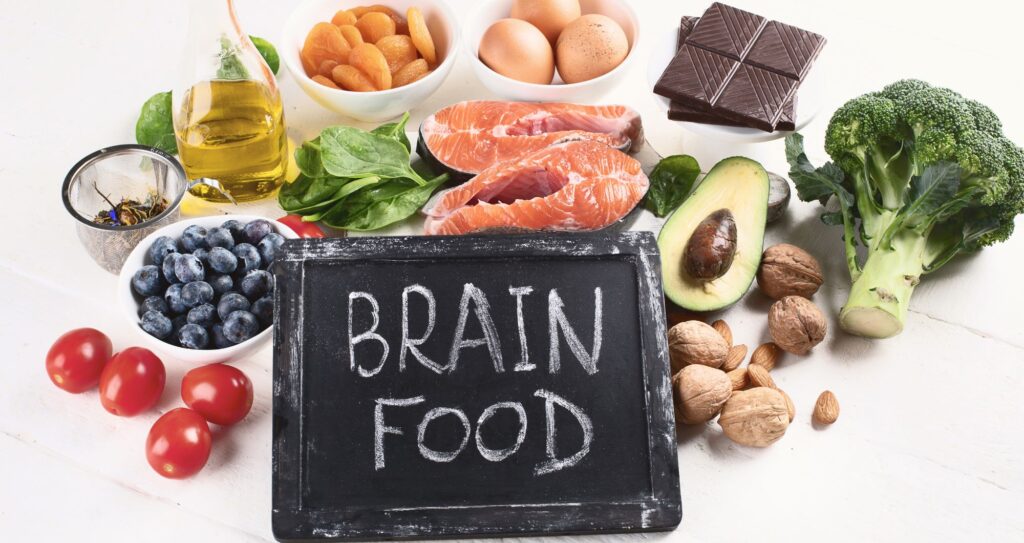
9 Foods for Brain Health
1. Fatty Fish
Fatty fish such as salmon, sardines and mackerel are well-known sources of omega-3 fatty acids.
Omega-3 fats are important components of cell membranes, including those found in the brain.
If you eat fish, adding it to your meals regularly can be one practical way to include omega-3 fats in your diet.
For Indian meals, fish can be prepared with simple spices and served with vegetables and rice or roti.
If you don’t eat fish, don’t worry. There are plant sources of omega-3 fats, too.
2. Walnuts
Walnuts are an easy snack and contain healthy fats, plant-based omega-3 fatty acid ALA, protein and other nutrients.
You don’t need to eat a large handful every few hours.
A small portion can be added to:
- Breakfast
- Oatmeal
- Homemade snacks
- Salads
- Curd or yoghurt
One common mistake is treating nuts as unlimited “healthy snacks”. They are nutritious, but portions still matter because they are energy-dense.
3. Eggs
Eggs are a convenient source of protein and provide several nutrients, including choline.
Choline plays a role in normal brain function and neurotransmitter production.
For many people, eggs are also an easy way to add protein to breakfast.
You could have:
- Boiled eggs
- Vegetable omelette
- Egg bhurji
- Eggs with whole-grain toast
If you don’t eat eggs, other protein-rich foods can help meet your nutritional needs.
4. Leafy Green Vegetables
Spinach, amaranth leaves, methi and other leafy greens provide folate, vitamin K, carotenoids and other nutrients.
They are also an easy way to increase vegetable intake.
Try adding greens to meals you already eat instead of creating complicated recipes.
For example:
Dal + leafy vegetables + roti + curd
That’s already a more balanced meal than trying to build your diet around one “brain food”.
5. Berries and Other Colourful Fruits
Berries contain plant compounds called flavonoids and are often included in dietary patterns associated with brain health.
Depending on availability, you can include:
- Strawberries
- Blueberries
- Blackberries
- Raspberries
But you don’t have to rely only on imported berries.
Indian fruits such as guava, oranges, amla and other colourful fruits can also contribute vitamins, fibre and plant compounds to your diet.
The practical lesson is simple: eat a variety of fruits rather than searching for one perfect fruit.
6. Flaxseeds
Flaxseeds are a useful plant source of ALA omega-3 fatty acids.
They also contain fibre.
You can add ground flaxseed to:
- Oats
- Curd
- Smoothies
- Homemade energy bites
- Chutneys
Ground flaxseed is generally easier to use in meals than trying to eat large amounts of whole seeds.
Start with a small amount and increase gradually if your digestive system tolerates it.
7. Whole Grains
Your brain needs a regular energy supply, and carbohydrates are an important part of a balanced diet.
Whole grains can provide carbohydrates along with fibre and other nutrients.
Examples include:
- Oats
- Whole wheat
- Brown rice
- Millets
- Barley
You don’t have to remove carbohydrates to support brain health.
Instead, think about the quality of your overall meal.
A bowl of rice with dal, vegetables and curd is very different from relying mainly on refined snacks throughout the day.
8. Beans and Lentils
Dal, chickpeas, rajma, black beans and other legumes provide protein, fibre, folate and other nutrients.
They are also affordable and easy to include in Indian meals.
For someone following a vegetarian diet, these foods can be especially useful as part of a balanced protein intake.
Try combining them with vegetables and whole grains.
For example:
Rajma + rice + salad + curd
or
Dal + roti + sabzi
Simple meals can do a lot.
9. Curd and Fermented Foods
Gut health and brain health are closely connected through what researchers commonly call the gut-brain axis.
Curd and other fermented foods can be part of a varied diet that supports gut health.
Choose options with little or no added sugar when possible.
You can have curd with lunch, use it as a base for a simple dip or include it alongside a balanced meal.
It is not necessary to buy expensive probiotic products just because they are marketed for brain health.
Which Nutrients Are Important for Brain Health?
Food works as a combination. Several nutrients play roles in normal brain and nervous system function.
| Nutrient | Food sources |
| Omega-3 fats | Fatty fish, flaxseeds, walnuts |
| Protein | Eggs, fish, dal, beans, dairy |
| Folate | Leafy greens, beans, legumes |
| Vitamin B12 | Dairy, eggs, fish and fortified foods |
| Iron | Lentils, beans, leafy greens, meat |
| Antioxidant compounds | Fruits, vegetables, nuts and seeds |
| Fibre | Whole grains, vegetables, fruits, legumes |
This is one reason a Neuro Nutritionist usually looks at the whole diet rather than recommending one supplement or food.
Can Food Improve Memory?
Food is important for normal brain function, but it would be misleading to say that one food will suddenly improve your memory.
Memory and cognitive function are influenced by many factors, including:
- Age
- Sleep
- Physical activity
- Stress
- Overall diet
- Medical conditions
- Nutritional deficiencies
- Alcohol intake
- Other lifestyle factors
If you’re experiencing persistent memory problems or changes in cognitive function, don’t try to manage the issue through food alone. Speak with an appropriate healthcare professional.
What About Brain Fog?
“Brain fog” is a common phrase people use when they feel mentally tired, forgetful or unable to concentrate.
Sometimes people immediately start buying supplements.
That may not be the best first step.
Look at the basics first:
- Are you eating regular balanced meals?
- Are you getting enough protein?
- Are you drinking enough fluids?
- Are you sleeping well?
- Are you eating enough fruits and vegetables?
- Could there be an underlying nutritional deficiency or medical issue?
A dietitian or healthcare professional can help identify what needs attention.
Common Mistakes When Eating for Brain Health
Focusing on one food
Eating walnuts every morning does not make an otherwise poor diet healthy.
Avoiding carbohydrates completely
Your brain uses glucose as an important energy source. A balanced diet does not require completely eliminating carbohydrates.
Taking supplements without checking the need
More vitamins do not automatically mean better brain health. Some supplements can also be harmful in excessive amounts.
Forgetting protein
Many people focus on fruits and vegetables but forget adequate protein, especially as they get older.
Ignoring sleep
Food matters, but sleep matters too. Nutrition cannot replace consistently poor sleep.
How Can You Build a Brain-Friendly Indian Diet?
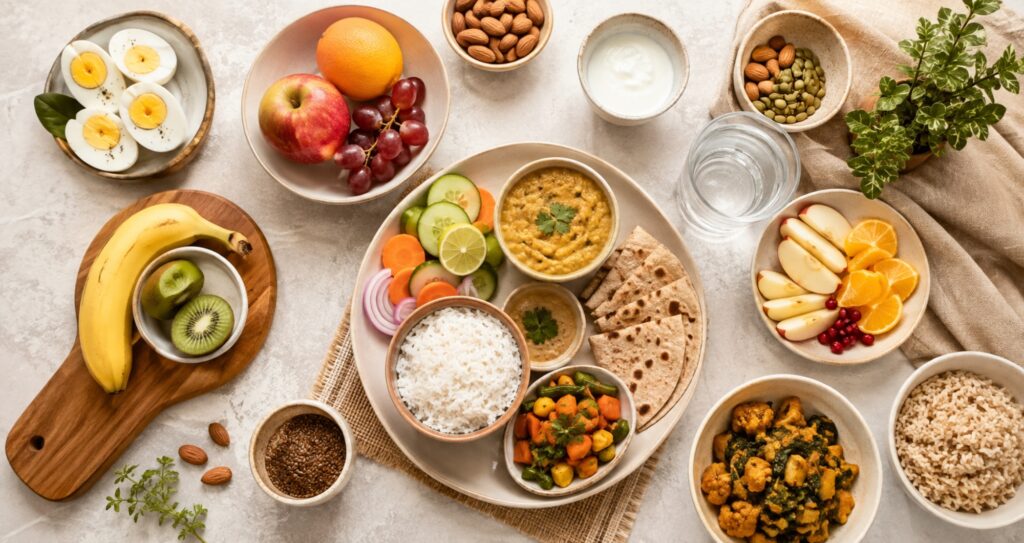
You don’t need to completely change your kitchen.
Start with your regular meals.
Breakfast
Eggs or curd + whole grain + fruit
Lunch
Rice or roti + dal/beans + vegetables + curd
Snack
Fruit + a small portion of nuts or seeds
Dinner
Vegetables + protein source + suitable whole grain
The exact portions depend on your age, health, activity level and nutritional needs.
When Should You Consult a Neuro Nutritionist?
A Neuro Nutritionist or qualified dietitian may be useful when nutrition needs to be planned around a specific health concern.
This may include situations involving:
- Neurological disorders
- Recovery after stroke
- Parkinson’s disease
- Difficulty meeting nutritional needs
- Swallowing or feeding concerns
- Unintentional weight loss
- Nutritional deficiencies
- Older adults with changing nutritional needs
The nutrition plan should be based on the individual’s condition rather than a generic internet food list.
Final Thoughts
Good foods for brain health are not necessarily unusual or expensive.
Fish, eggs, dal, vegetables, fruits, nuts, seeds, whole grains and curd can all have a place in a balanced diet.
The bigger goal is consistency.
Instead of asking, “What is the one best food for my brain?”
Ask, “What does my overall diet look like?”
That is where the real value of personalised nutrition comes in.
A Neuro Nutritionist can help you look at your complete diet, nutritional needs and health situation and then build practical changes around your everyday routine.
Frequently Asked Questions
What are the best foods for brain health?
Foods that can support a balanced, brain-friendly diet include fatty fish, eggs, walnuts, flaxseeds, leafy vegetables, fruits, whole grains, beans, lentils and curd. These foods provide nutrients such as omega-3 fats, protein, fibre, vitamins and minerals that contribute to normal brain function.
What does a Neuro Nutritionist do?
A Neuro Nutritionist focuses on nutrition in relation to brain and nervous system health. Depending on their qualifications and clinical setting, they may help assess dietary intake, nutritional needs and feeding concerns in people with neurological conditions or those working toward healthy brain ageing.
Can food improve memory and concentration?
A balanced diet provides nutrients needed for normal brain function, but no single food can guarantee better memory or concentration. Sleep, physical activity, stress, medical conditions and nutritional deficiencies can also affect cognitive function. Discuss persistent changes in memory with a healthcare professional.
Are walnuts good for brain health?
Walnuts provide healthy fats, plant-based omega-3 ALA, protein and other nutrients. They can be included as part of a balanced diet. A small portion is usually enough because nuts are energy-dense. You can add them to breakfast, curd, salads or homemade snacks.
Is fish necessary for brain health?
Fish is not essential for everyone, but fatty fish provides omega-3 fatty acids that support normal brain function. People who do not eat fish can discuss suitable plant-based or fortified sources with a qualified dietitian, based on their overall diet and nutritional needs.
Can nutrition help after a stroke?
Nutrition can be an important part of recovery after a stroke, but nutritional needs vary greatly between individuals. Swallowing ability, mobility, medications, appetite and other health factors may affect the diet. A personalised plan from the healthcare team and a qualified nutrition professional can be helpful.