







Not Losing Weight Even Though I Eat Healthy

Have you ever looked at your plate and thought, “Why am I Not Losing Weight Even Though I Eat Healthy?”

You’re not alone.

This is one of the most common questions people ask when they start a weight loss journey. You switch from junk food to salads. You stop ordering late-night snacks. You drink more water. Yet weeks go by, and your weight barely changes.

It’s frustrating.

Sometimes it feels unfair.

The truth is, eating healthy is important, but it isn’t the only factor that affects weight loss. Many hidden reasons can slow your progress even when you’re making better food choices.

Let’s break it down.

What Does “Eating Healthy” Really Mean?

Before anything else, let’s talk about what healthy eating actually means.

Many people assume they’re eating healthy because they:

  • Avoid fried foods
  • Eat fruits regularly
  • Drink smoothies
  • Choose brown bread instead of white bread
  • Order healthy-looking meals

These habits can help.

But healthy foods can still lead to weight gain or prevent weight loss if other factors aren’t managed.

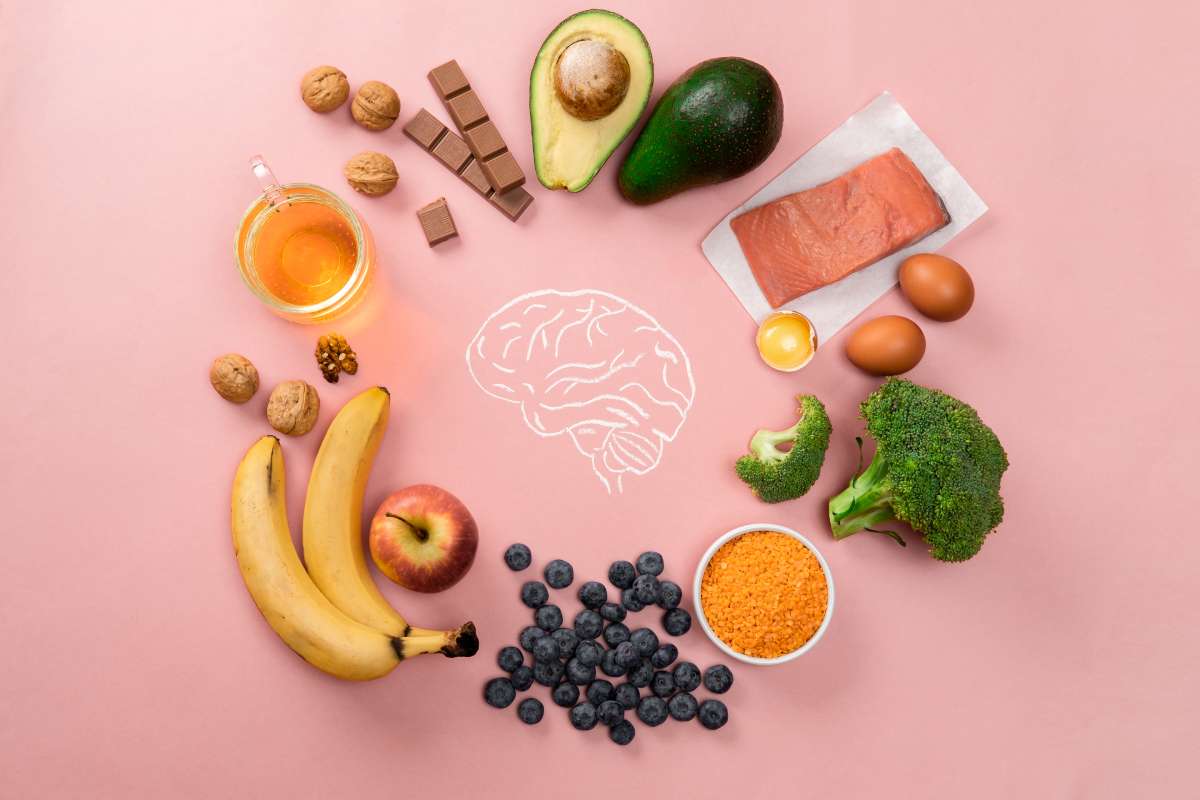
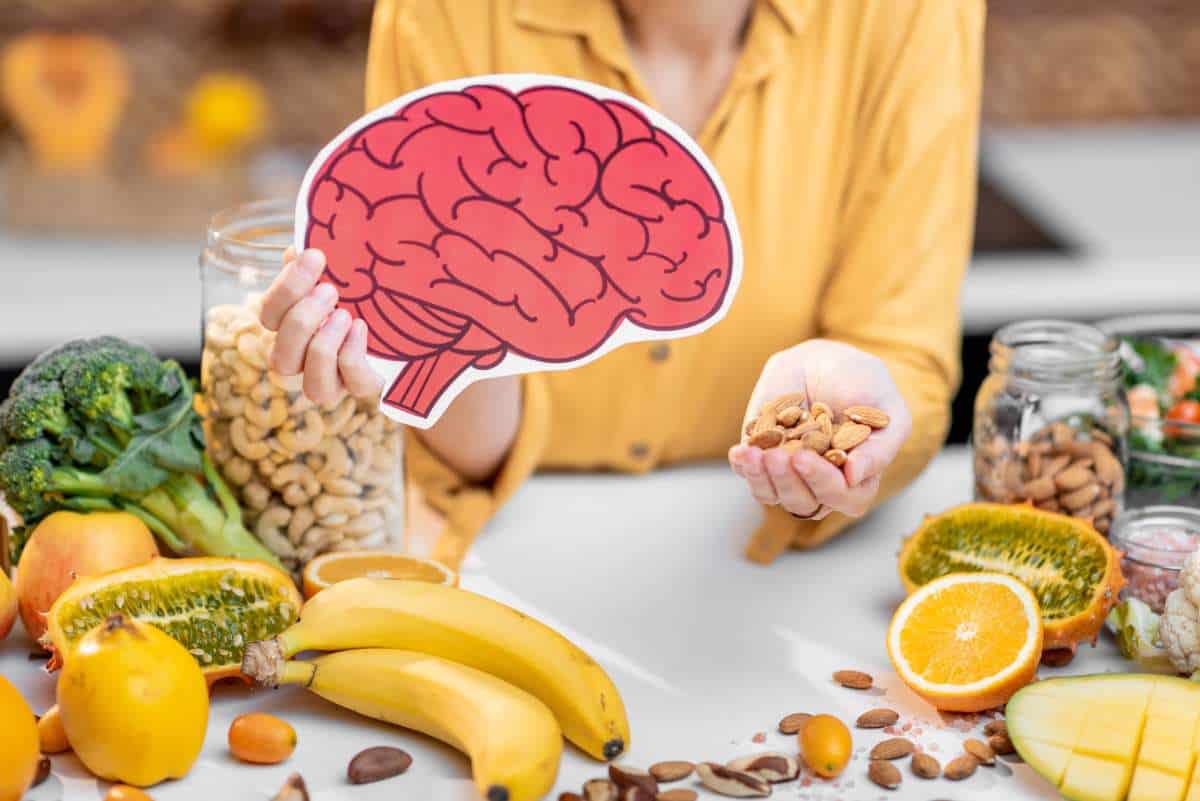
A handful of nuts is healthy.

Three handfuls while watching Netflix? That’s a different story.

The same goes for smoothies, granola, peanut butter, dried fruits, and many so-called healthy snacks.

Healthy doesn’t always mean low-calorie.

Why Am I Not Losing Weight Even Though I Eat Healthy?

Many people who are not losing weight even though they eat healthy assume they’re doing something wrong. In reality, several factors can affect weight loss progress.

Not Losing Weight Even Though I Eat Healthy

You’re Eating More Than Your Body Needs

This is probably the biggest reason people struggle with weight loss.

Many nutritious foods contain a lot of calories.

Examples include:

  • Nuts
  • Seeds
  • Avocados
  • Nut butters
  • Cheese
  • Granola
  • Smoothies

These foods support health, but portion sizes still matter.

Imagine adding:

  • A tablespoon of peanut butter here
  • A handful of almonds there
  • An extra smoothie after a workout

Those calories add up quickly.

Weight loss usually happens when your body uses more energy than it receives.

If that balance doesn’t exist, progress may slow down.

You May Be Underestimating Portions

Most of us do it.

Research has repeatedly shown that people often underestimate how much they eat.

Maybe you’ve experienced this too.

You grab a few biscuits from the office pantry.

You taste food while cooking.

You finish leftovers from your child’s plate.

None of these feels like a meal.

But your body still counts them.

For a week, try tracking everything you eat honestly.

You might discover a few surprises.

Your Protein Intake Is Too Low

Many healthy diets focus heavily on fruits and vegetables.

That’s great.

But protein often gets ignored.

Protein helps:

  • Increase fullness
  • Reduce cravings
  • Support muscle mass
  • Improve recovery
  • Maintain metabolism during weight loss

Common protein sources include:

  • Eggs
  • Paneer
  • Greek yogurt
  • Lentils
  • Fish
  • Chicken
  • Tofu
  • Soy products

If your meals leave you hungry again after an hour or two, low protein could be one reason.

You’re Not Sleeping Enough

This one catches many people off guard.

Poor sleep can make weight loss much harder.

When you don’t get enough rest:

  • Hunger hormones increase
  • Cravings become stronger
  • Energy levels drop
  • Physical activity decreases

Have you noticed how junk food seems more tempting after a bad night’s sleep?

There’s a reason for that.

Your body starts looking for quick energy.

Even the healthiest diet can become difficult to follow when you’re exhausted.

Stress Could Be Working Against You

Life gets busy.

Deadlines pile up.

Family responsibilities increase.

And sometimes stress quietly affects weight.

When stress remains high for long periods, it can:

  • Trigger emotional eating
  • Increase cravings
  • Affects sleep quality
  • Influence hormone balance

Some people eat less when stressed.

Others reach for sweets and comfort foods.

Neither response is unusual.

If your weight loss has stalled, ask yourself:

How stressed have I been lately?

The answer may reveal more than you expect.

Your Exercise Routine Isn’t Supporting Your Goals

Many people rely only on exercise to lose weight.

Others rely only on food.

The best results usually come from both.

If you’re exercising regularly but not seeing changes, consider:

  • Are you moving enough throughout the day?
  • Are you strength training?
  • Are you sitting for long hours?

An hour in the gym doesn’t completely offset ten hours of sitting.

Daily movement matters.

Simple habits help:

  • Walking after meals
  • Taking stairs
  • Standing more often
  • Short movement breaks during work

These small actions add up.

You’re Gaining Muscle While Losing Fat

This is actually good news.

The scale doesn’t tell the whole story.

If you’ve recently started:

  • Strength training
  • Resistance workouts
  • Regular exercise

You may be building muscle while losing body fat.

Muscle is denser than fat.

Your weight might remain the same even as your body composition improves.

Instead of focusing only on the scale, pay attention to:

  • Waist measurements
  • Clothing fit
  • Energy levels
  • Progress photos

These often tell a more complete story.

Hidden Calories Are Sneaking In

Healthy eaters often overlook liquid calories.

Think about:

  • Fruit juices
  • Fancy coffee drinks
  • Protein shakes
  • Sweetened beverages
  • Weekend cocktails

These can contribute hundreds of calories without making you feel full.

Even healthy smoothies can contain more calories than a full meal.

Drinks deserve attention, too.

Your Weight Loss Expectations May Be Unrealistic

Social media has changed how many people view weight loss.

You see dramatic before-and-after photos.

You see claims of losing ten kilograms in a month.

Reality usually looks different.

Healthy weight loss often happens slowly.

Sometimes:

  • 0.5 to 1 kilogram per week
  • Small fluctuations day to day
  • Periods where progress temporarily stalls

That doesn’t mean you’re failing.

It means your body is responding at its own pace.

Medical Conditions Can Affect Weight Loss

Sometimes the issue goes beyond food and exercise.

Certain health conditions may influence body weight.

Examples include:

  • PCOS
  • Hypothyroidism
  • Insulin resistance
  • Hormonal imbalances
  • Menopause-related changes

These conditions don’t make weight loss impossible.

They can make it more challenging.

If you’ve been following a structured plan consistently without results, professional guidance may help identify underlying factors.

Certain Medications Can Influence Weight

Some medications may affect:

  • Appetite
  • Water retention
  • Metabolism
  • Body composition

Examples include:

  • Antidepressants
  • Steroids
  • Diabetes medications
  • Hormonal treatments

If you suspect medication is affecting your progress, speak with your healthcare provider.

Never stop prescribed medication without medical advice.

Are Weekend Habits Undoing Weekday Efforts?

This happens more often than people realise.

Monday to Friday:

  • Healthy breakfast
  • Balanced lunch
  • Portion control

Saturday and Sunday:

  • Restaurant meals
  • Desserts
  • Late-night snacks
  • Takeaways

The calorie difference can be significant.

A few high-calorie meals over the weekend may offset progress made during the week.

Balance matters more than perfection.

Why Personalised Nutrition Matters

No two people respond the same way to food.

That’s why generic diet plans often fail.

Your:

  • Lifestyle
  • Sleep patterns
  • Health conditions
  • Stress levels
  • Activity levels

All influence results.

A plan that works for your friend may not work for you.

This is where professional guidance becomes valuable.

Working with the Best Dietitian in Bangalore can help you identify obstacles specific to your body rather than following random advice from the internet.

When Should You Consult a Dietitian?

Not Losing Weight Even Though I Eat Healthy

You may benefit from expert support if:

  • Weight hasn’t changed for several months
  • You have PCOS or thyroid concerns
  • You experience frequent cravings
  • You feel confused by conflicting nutrition advice
  • You’ve tried multiple diets without success

A qualified professional can review your eating habits, health history, lifestyle, and goals to create a realistic plan.

Many people discover that the issue wasn’t a lack of effort.

The strategy needed adjustment.

What the Best Dietitian in Bangalore Looks For

When someone struggles with weight loss despite eating healthy, an experienced nutrition professional often evaluates:

  • Meal timing
  • Portion sizes
  • Protein intake
  • Sleep quality
  • Stress levels
  • Hormonal health
  • Activity patterns
  • Digestive health

This bigger picture approach often reveals issues that aren’t obvious at first glance.

Small changes can sometimes create surprisingly meaningful results.

Practical Steps You Can Start Today

If you’re eating healthy but not losing weight, try these actions:

  • Increase protein at each meal
  • Track food intake for one week
  • Prioritise seven to eight hours of sleep
  • Walk daily
  • Strength train two to three times weekly
  • Manage stress through relaxation practices
  • Reduce liquid calories
  • Monitor portion sizes
  • Stay consistent for several weeks

Avoid jumping from one diet to another.

Consistency often beats perfection.

Frequently Asked Questions

Can I gain weight while eating healthy food?

Yes.

Healthy foods still contain calories. Eating more calories than your body needs can lead to weight gain, regardless of food quality.

Why am I exercising and eating healthy but still not losing weight?

Possible reasons include portion sizes, poor sleep, stress, hormonal issues, hidden calories, or muscle gain.

How long should I wait before expecting results?

Most people need several weeks of consistent effort before noticeable changes appear. Sustainable weight loss takes time.

Does PCOS make weight loss harder?

Yes, PCOS can affect hormones and insulin sensitivity, which may make weight management more challenging. A personalised nutrition plan can help.

Should I count calories?

Not everyone needs to count calories long-term. Tracking food intake temporarily can help identify patterns and improve awareness.

Leave a Reply

Your email address will not be published. Required fields are marked *

We’re Here to Help!

Request a Call Back Now

    What is 1 + 8 ? Refresh icon