






Dealing with gestational diabetes can be overwhelming at first. One test result—so many questions. And suddenly everything about food can seem so complicated. This blog discusses a Gestational Diabetes Diet that actually works in everyday life. Not perfect meals. Not hard-and-fast rules. Just consistent habits that keep your blood glucose lower during pregnancy.
The goal is simple.
- Keep blood sugar in range
- Eat enough to feel human
- Stop food from becoming a constant worry
That’s really it.
What is a Gestational Diabetes Diet?
A Gestational Diabetes Diet is a way of eating that controls blood sugar levels during pregnancy while still providing the body and baby with what they need.
It usually means:
- Eating regular meals
- Choosing carbs that digest slowly
- Adding protein and fiber most of the time
- Avoiding long gaps between meals
This way of eating works with insulin resistance in pregnancy, not against it.
Pregnancy already changes how the body handles sugar. Gestational diabetes turns that volume up a bit.
Food becomes the main tool to manage it.
Why Blood Sugar Control During Pregnancy Matters
Blood sugar that stays high too often can cause issues down the line.
Doctors usually keep an eye on things like:
- Baby is growing larger than expected
- Early delivery
- Low blood sugar in the baby after birth
- Higher chances of diabetes later in life
Food choices play a bigger role here than most people realize.
This doesn’t mean eating less food.
It means eating food that doesn’t send blood sugar on a roller coaster.
How Insulin Resistance in Pregnancy Affects Food Choices
Pregnancy hormones make insulin less effective. That’s normal.
With gestational diabetes, this effect is stronger.
So what changes?
- Blood sugar rises faster after meals
- Big portions of carbs cause spikes
- Skipping meals usually backfires
The hormone-driven insulin resistance seen in pregnancy and its effect on glucose levels is explained clearly by the National Institute of Diabetes and Digestive and Kidney Diseases.
Cutting carbs completely doesn’t help. It usually makes things worse.
What helps is choosing better carbs and having them evenly throughout the day.
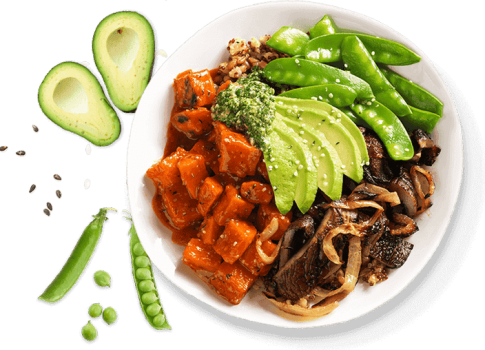
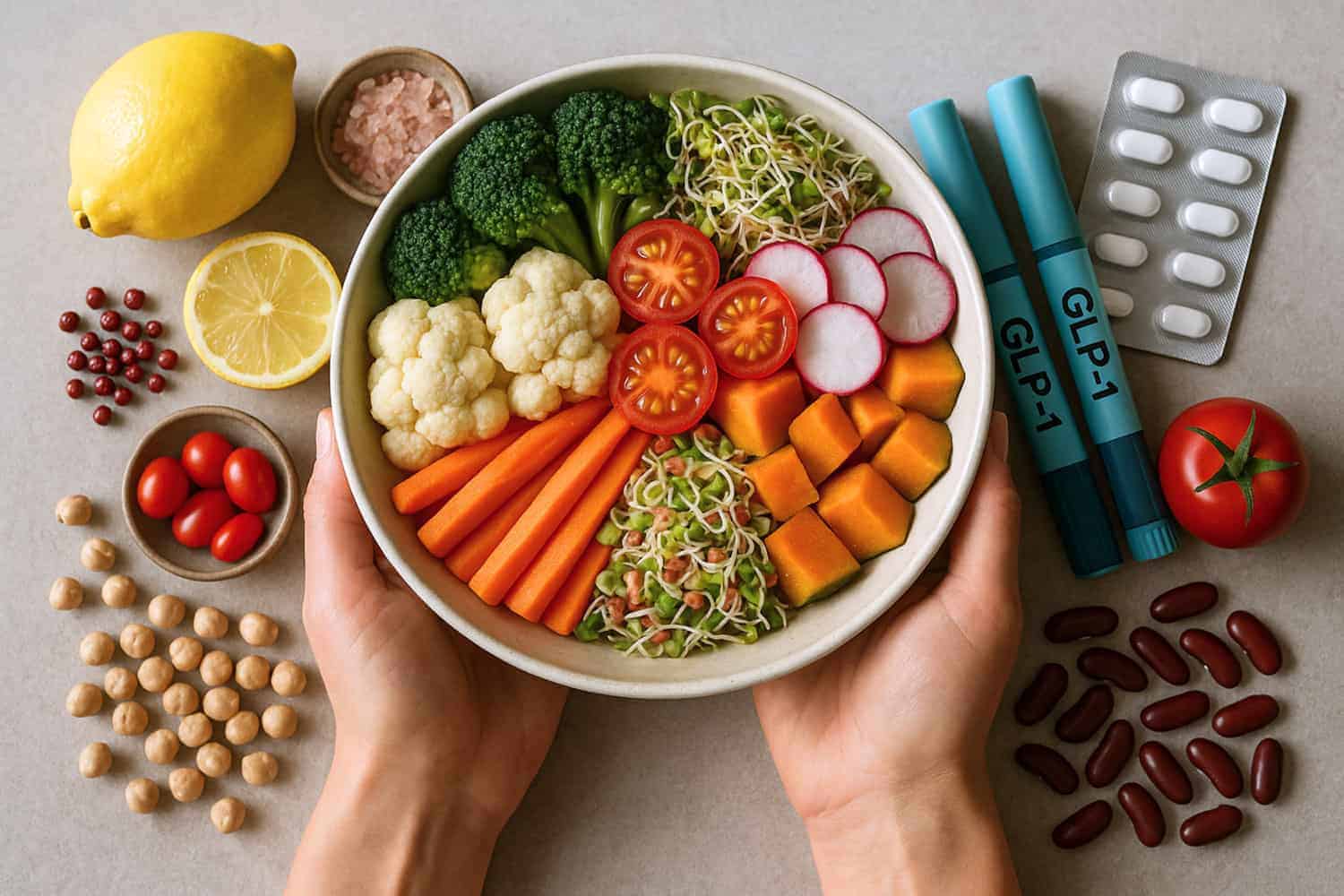
What Does a Balanced Gestational Diabetes Plate Look Like?
A balanced gestational diabetes plate does not have to be fancy.
A basic plate works.
- Half the plate is filled with vegetables
- One quarter with protein
- One quarter with carbohydrates
- A small amount of fat
This mix slows digestion and helps with blood sugar control during pregnancy, a strategy commonly recommended in gestational diabetes nutrition guidance from the Centers for Disease Control and Prevention.
No measuring cups required. Just rough balance.
Best Carbs for Gestational Diabetes
Carbs are part of the picture. The type matters more than the amount.
Carbs for gestational diabetes tend to work better when they are:
- High in fiber
- Slower to digest
- Eaten with protein or fat
Some everyday options:
- Small portions of brown rice
- Whole wheat roti
- Millets like ragi or jowar
- Quinoa
- Oats
- Beans and lentils
These don’t hit the bloodstream all at once. Blood sugar rises more slowly, which aligns with dietary patterns outlined in pregnancy nutrition research referenced by the American Diabetes Association.
That slower rise makes numbers easier to manage.
Low-Glycemic-Index Foods for Pregnancy
Low glycemic index foods for pregnancy help avoid sudden spikes.
Foods that usually behave well:
- Apples
- Pears
- Berries
- Guava
- Greek yogurt
- Nuts
- Seeds
- Leafy greens
- Carrots
- Cucumber
Low-GI food choices and their role in stabilizing glucose during pregnancy are supported by nutritional guidance summarized by the National Institute of Diabetes and Digestive and Kidney Diseases.
They work well as snacks or part of meals.
On their own, they’re okay.
Paired with protein, they’re better.
High-Fiber Foods During Pregnancy That Make a Difference
Fiber slows how fast sugar enters the blood. It also helps with digestion, which pregnancy doesn’t always make easy.
High-fiber foods during pregnancy include:
- Vegetables with the skin on
- Chia seeds
- Flaxseeds
- Lentils
- Chickpeas
- Whole fruits instead of juice
The role of fiber in managing post-meal blood sugar is part of standard gestational diabetes dietary advice shared by the Centers for Disease Control and Prevention.
Fiber doesn’t feel dramatic. It just quietly helps numbers stay calmer.
Protein: The Thing That Keeps Meals Steady
Protein doesn’t spike blood sugar. It helps keep you full and steady.
Useful protein options:
- Eggs
- Paneer
- Tofu
- Greek yogurt
- Chicken
- Fish
- Dal
- Nuts
Adding protein to meals and snacks helps manage insulin resistance in pregnancy, as recommended in the guidelines by the American Diabetes Association. Fruit alone can spike sugar, but Fruit combined with nuts often doesn’t.
Fats: Helpful, Just Not in Excess
Fat slows digestion. That’s useful. Too much can cause problems.
Better choices include:
- Nuts
- Seeds
- Avocado
- Small amounts of ghee
- Olive oil
Healthy fat intake as part of balanced meals during gestational diabetes is discussed in nutrition overviews from the National Institute of Diabetes and Digestive and Kidney Diseases.
Deep-fried foods usually show up in blood sugar readings later.
Portions matter here more than people expect.
Foods to Avoid With Gestational Diabetes
Some foods raise blood sugar fast, even in small amounts.
Foods to avoid with gestational diabetes include:
- Fruit juices
- Sugary drinks
- White bread
- Large portions of white rice
- Bakery items
- Sweets
- Packaged snacks
- Sweetened cereals
These foods are consistently listed as high-risk for glucose spikes in gestational diabetes education materials from the Centers for Disease Control and Prevention.
These digest quickly and don’t offer much fiber.
This doesn’t mean you never touch them again, but more about knowing how they affect your numbers.
Meal Timing Often Matters More Than Getting Everything Right
Skipping meals usually leads to worse readings later.
A steady rhythm helps.
Most plans look like:
- Three main meals
- Two or three snacks
- A lighter breakfast with controlled carbs
- Dinner a bit earlier in the evening
Regular meal timing is part of standard blood sugar management advice for pregnancy shared by the World Health Organization.
Late dinners often show up as higher fasting numbers the next morning.
Sample Day on a Gestational Diabetes Diet
This is just one example. Not a rulebook.
- Breakfast: Vegetable omelette with one slice of whole wheat toast
- Mid-morning snack: Apple with a handful of peanuts
- Lunch: Brown rice, dal, vegetables, curd
- Evening snack: Roasted chana or yogurt
- Dinner: Roti with paneer or chicken and vegetables
- Bedtime snack: Milk with seeds
Simple meals. Normal food. Portion size does most of the work.
When Professional Guidance Can Actually Help
Many women manage gestational diabetes through food alone. Others need a bit more support.
A registered dietitian understands how pregnancy affects blood sugar.
Working with an experienced Dietitian in Bangalore can help:
- Adjust carb portions
- Spot patterns in blood sugar readings
- Reduce stress around eating
- Avoid cutting out foods unnecessarily
Individualized nutrition planning is strongly encouraged in clinical care guidelines from the American Diabetes Association.
There’s no single plan that fits everyone.
The Emotional Side of Eating With Gestational Diabetes
Once numbers are involved, food feels heavier.
Some days go okay.
There are a few days that are draining.
That’s normal.
One high reading doesn’t wipe out all the work you put into the previous weeks. It’s more about being consistent than doing it right.
A gentle way to get support if you need it
Sometimes reading helps. Sometimes you still want someone to look at your numbers, your meals, your routine, and say, this can be adjusted.
That’s where Mitha Aahara fits in naturally.
Mitha Aahara provides gestational diabetes diet consultation, designed around real food, reasonable portions, and everyday life. Not daunting plans or guilt around eating. Simple advice that fits in with pregnancy and not against it.
If managing meals feels confusing or tiring, having someone walk alongside you can make things calmer.
Food doesn’t have to feel heavy during pregnancy. With the right support, it can start feeling manageable again.
FAQs
What is the best Gestational Diabetes Diet?
The best Gestational Diabetes Diet balances carbs, protein, fat, and fiber across regular meals to keep blood sugar steady during pregnancy.
Can carbs still be eaten with gestational diabetes?
Yes. Carbs for gestational diabetes are necessary. Choosing high-fiber, low glycemic index carbs in reasonable portions helps control blood sugar.
Which foods raise blood sugar fastest during pregnancy?
Fruit juices, sweets, sugary drinks, white bread, and refined snacks tend to raise blood sugar quickly.
How many meals should be eaten each day?
Most women do better with three meals and two to three snacks spaced evenly through the day.
Does gestational diabetes go away after delivery?
In most cases, blood sugar returns to normal after birth. Healthy eating habits still help lower future risk.
Is seeing a dietitian necessary?
Not always. But working with the Best Dietitian in Bangalore or a trained pregnancy nutrition expert can make things clearer and less stressful.