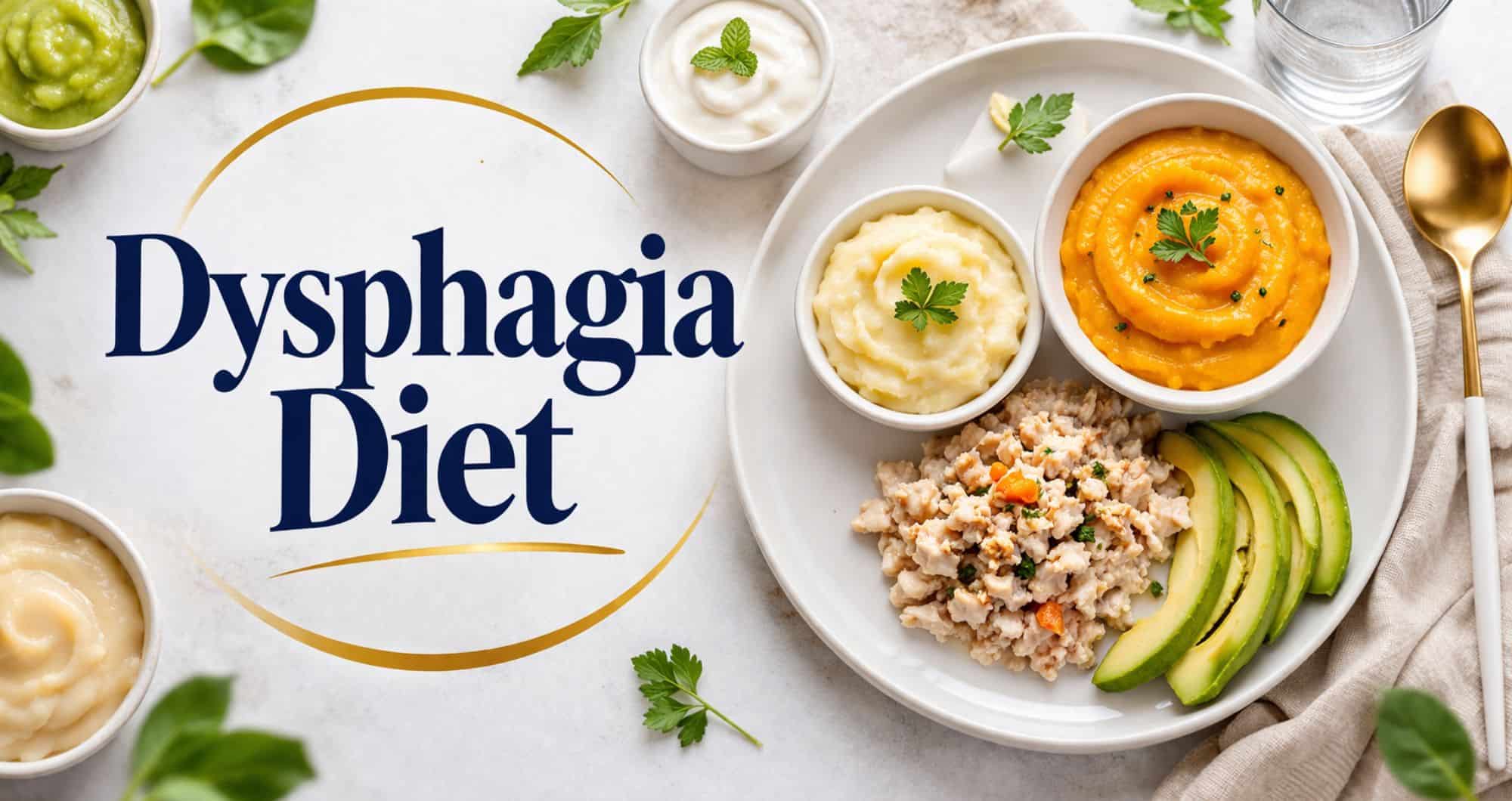
Eating should feel normal. For many people with swallowing difficulty, it doesn’t.
A simple meal turns stressful. You start thinking about choking, coughing, or food getting stuck. That’s what living with dysphagia feels like. It affects older adults, stroke survivors, and people with neurological conditions.
This is where a well-planned dysphagia diet makes a real difference. And more importantly, where guidance from a Neuro Nutritionist becomes critical. Because swallowing is not just about food. It is about nerves, muscles, and coordination.
Let’s break this down in a way that actually helps you or your patient eat safely again.
What Is Dysphagia? A Simple Definition
Dysphagia is a condition where swallowing becomes difficult, slow, or unsafe.
It can happen due to:
- Stroke
- Parkinson’s disease
- Neurological injuries
- Aging-related muscle weakness
- Head or neck conditions
Why this matter
Swallowing is a complex process. It involves over 30 muscles and multiple nerves. When even one part fails, food or liquid can enter the airway. This is called aspiration.
Aspiration can lead to infections like pneumonia. That’s why diet changes are not optional here. They are essential.
What Is a Dysphagia Diet?
A dysphagia diet is a structured way of modifying food and liquid textures so they are easier and safer to swallow.
It is not about eating less. It is about eating differently.
The core goal
- Reduce choking risk
- Improve swallowing control
- Maintain proper nutrition
A trained Neuro Nutritionist looks beyond calories. They focus on how your brain and swallowing reflex respond to food textures.
Understanding Food Texture Levels (IDDSI Standard)
Most clinicians follow the system developed by International Dysphagia Diet Standardisation Initiative.
It divides foods and liquids into levels based on thickness and texture.
Liquids
- Level 0: Thin (water, tea)
- Level 1: Slightly thick
- Level 2: Mildly thick
- Level 3: Moderately thick
- Level 4: Extremely thick
Foods
- Level 3: Liquidised
- Level 4: Pureed
- Level 5: Minced and moist
- Level 6: Soft and bite-sized
- Level 7: Regular food
A Neuro Nutritionist decides your level after assessing your swallowing ability. This is not guesswork.
Easy and Safe Foods for Dysphagia
Let’s get practical. Here are foods that are generally safer, depending on your level.
Level 4: Pureed Foods
Smooth, lump-free, no chewing needed.
Examples:
- Mashed potatoes with extra liquid
- Smooth dal or lentil puree
- Blended khichdi
- Yogurt without chunks
- Pureed fruits like banana or mango
Tip: Add broth, milk, or water to adjust thickness.
Level 5: Minced and Moist
Small, soft pieces that hold together.
Examples:
- Soft scrambled eggs
- Finely minced chicken with gravy
- Well-cooked vegetables, mashed lightly
- Soft paneer crumbled with sauce
Tip: Dry food is risky. Always add moisture.
Level 6: Soft and Bite-Sized
Soft foods, easy to chew, small pieces.
Examples:
- Soft rice with curry
- Steamed fish
- Boiled vegetables
- Soft chapati soaked in dal
Foods to Avoid in a Dysphagia Diet
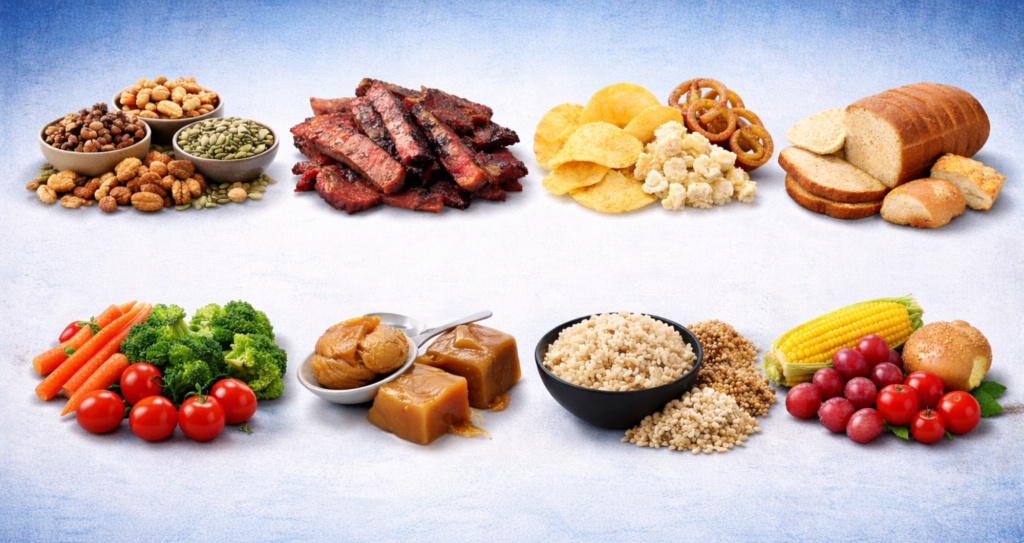
Some foods look harmless but are risky.
Avoid:
- Dry foods like toast or biscuits
- Hard foods like nuts
- Sticky foods like peanut butter
- Mixed textures like soup with chunks
- Thin liquids if advised against
Why? Because they are unpredictable during swallowing.
Why a Neuro Nutritionist Matters
You might think, “I can just mash food at home.”
That’s partly true. But it misses the bigger picture.
A Neuro Nutritionist:
- Assesses nerve-muscle coordination
- Matches food texture to swallowing ability
- Prevents malnutrition
- Adjusts diet as recovery improves
Real-world example
A stroke patient I worked with could not tolerate thin liquids. They kept coughing after drinking water.
We shifted to mildly thick fluids. Added calorie-dense purees. Within two weeks, coughing reduced. Energy improved.
Small changes. Big impact.
Step-by-Step: How to Start a Dysphagia Diet at Home
Step 1: Get a Swallowing Assessment
Consult a speech therapist or Neuro Nutritionist.
Do not self-diagnose texture levels.
Step 2: Start With Safe Textures
Begin with pureed or soft foods.
Observe:
- Coughing
- Voice changes after eating
- Food residue in mouth
Step 3: Modify Consistency
Use:
- Blenders
- Strainers
- Thickening agents
Consistency matters more than ingredients.
Step 4: Focus on Nutrition Density
When volume drops, nutrition must increase.
Add:
- Ghee or healthy fats
- Protein powders (if prescribed)
- Milk or curd
Step 5: Monitor and Adjust
Track:
- Weight changes
- Energy levels
- Swallowing comfort
Adjust as needed.
Common Mistakes People Make
These are things I see often.
1. Ignoring Liquid Thickness
Liquids are harder to control than solids.
Thin water can be risky for some patients.
2. Over-blending Everything
Not everyone needs pureed food forever.
Progression matters.
3. Skipping Protein
Soft diets often become carb-heavy.
This leads to muscle loss.
4. Not Sitting Properly While Eating
Posture affects swallowing.
Always sit upright at 90 degrees.
5. Rushing Meals
Eating too fast increases choking risk.
Slow down. Take small bites.
Nutrition Challenges in Dysphagia
People often eat less because eating feels stressful.
This leads to:
- Weight loss
- Weak immunity
- Delayed recovery
What helps
- Small frequent meals
- High-calorie additions
- Smooth protein sources
- Hydration with safe liquids
A Neuro Nutritionist plans this carefully.
Can Dysphagia Improve?
Yes, in many cases.
It depends on the cause.
Stroke-related dysphagia can improve with therapy. Progressive conditions may need long-term management.
Diet plays a supportive role. It does not cure the condition, but it prevents complications.
Practical Daily Meal Sample
Here’s a simple day plan for a Level 4 to 5 patient.
Breakfast:
- Smooth oatmeal with milk
- Mashed banana
Mid-morning:
- Thickened fruit smoothie
Lunch:
- Blended dal khichdi
- Pureed vegetables
Snack:
- Yogurt or custard
Dinner:
- Soft rice with mashed paneer curry
Before bed:
- Warm thickened milk
Simple. Repeatable. Safe.
Q1: What is the best diet for dysphagia?
A dysphagia diet based on IDDSI levels is best. It modifies food texture and liquid thickness to match swallowing ability. A Neuro Nutritionist should personalize it.
Q2: Can dysphagia patients drink water?
It depends on severity. Some patients need thickened liquids. Thin water may cause aspiration in certain cases.
Q3: How do I know which food texture level I need?
You need a swallowing assessment by a trained professional. Self-adjusting can increase risk.
Q4: Are pureed foods nutritionally enough?
Yes, if planned properly. You need to include protein, fats, and micronutrients. A poorly planned pureed diet can lead to deficiencies.
Q5: Can dysphagia go away completely?
In some cases, like post-stroke recovery, it can improve significantly. In progressive neurological conditions, management is ongoing
Practical Takeaway
Dysphagia changes how you eat, not whether you can eat.
The right texture. The right consistency. The right guidance.
That’s what makes food safe again.
If you are managing dysphagia, do not rely on random diet tips. Work with a Neuro Nutritionist. Get your swallowing assessed. Start small. Adjust as you go.
Eating can feel normal again. It just needs a different approach.