Let’s start with something real.
Most women focus on “trying to conceive” only during ovulation.
Tracking days. Watching symptoms. Timing everything.
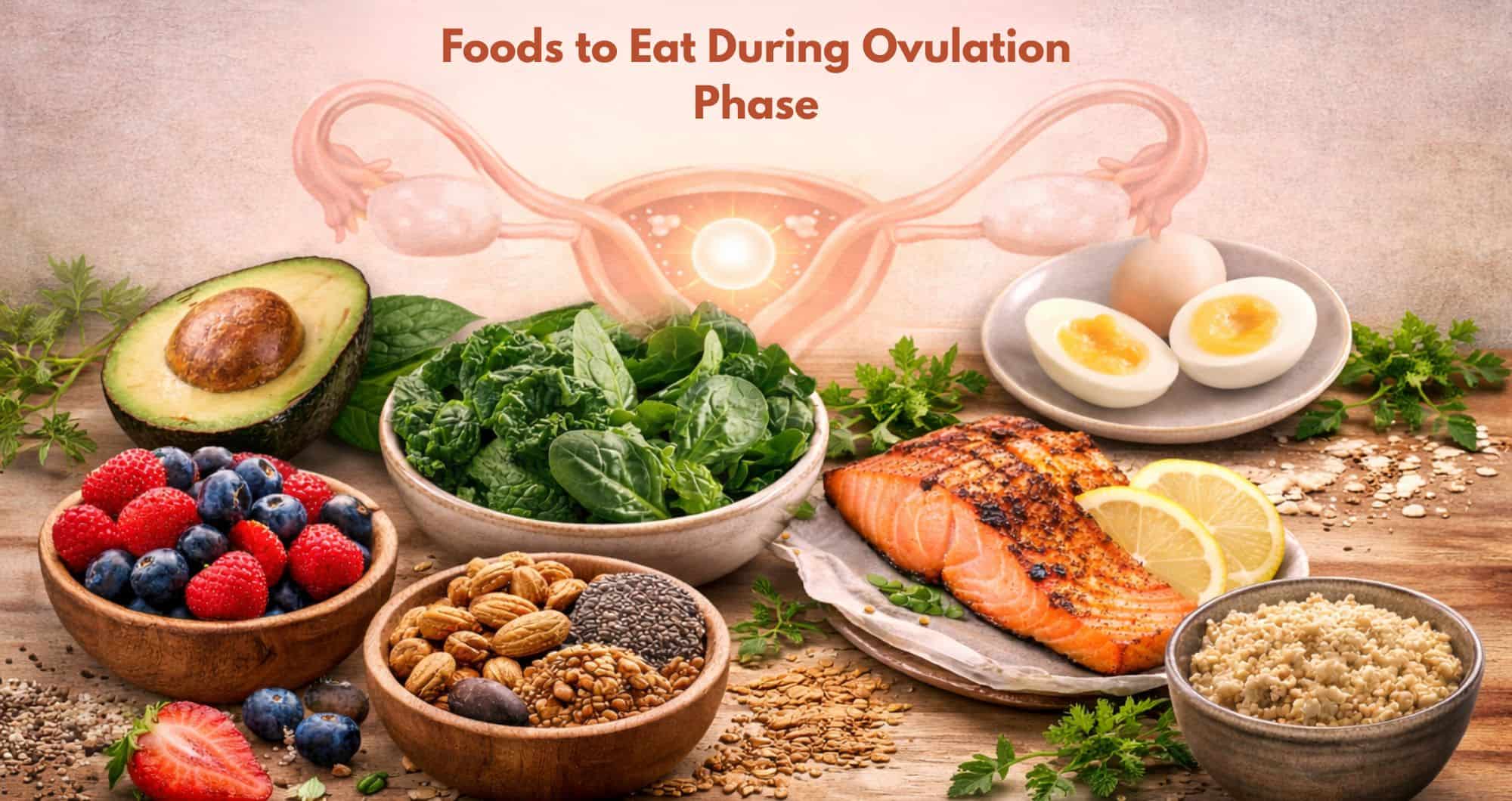
But when it comes to foods to eat during ovulation phase, that part often gets ignored.
Or it’s treated as general “eat healthy” advice.
That’s too vague.
Your body is doing very specific work during ovulation. Hormones shift. Egg release happens. The environment needs to be right.
And yes, what you eat during this phase can support or disturb that process.
What Happens During Ovulation Phase
Simple definition:
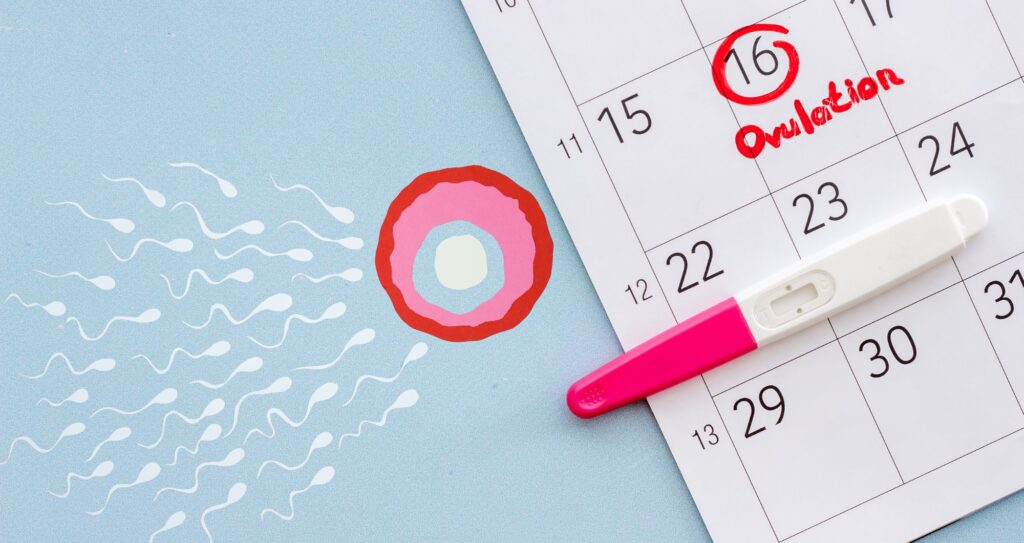
Ovulation is when your ovary releases an egg. This usually happens around day 12 to 16 of your cycle.
For pregnancy to happen:
- The egg must be healthy
- Hormones must be balanced
- The reproductive environment must support fertilization
Nutrition plays a role in all three.
Why Diet Matters During Ovulation
Let’s break this down clearly.
During ovulation, your body needs:
- Stable blood sugar
- Anti-inflammatory support
- Good circulation
- Hormonal balance
Certain foods help create this environment.
Others disturb it.
You may not feel it instantly, but over time it shows.
7 Best Foods to Eat During Ovulation Phase
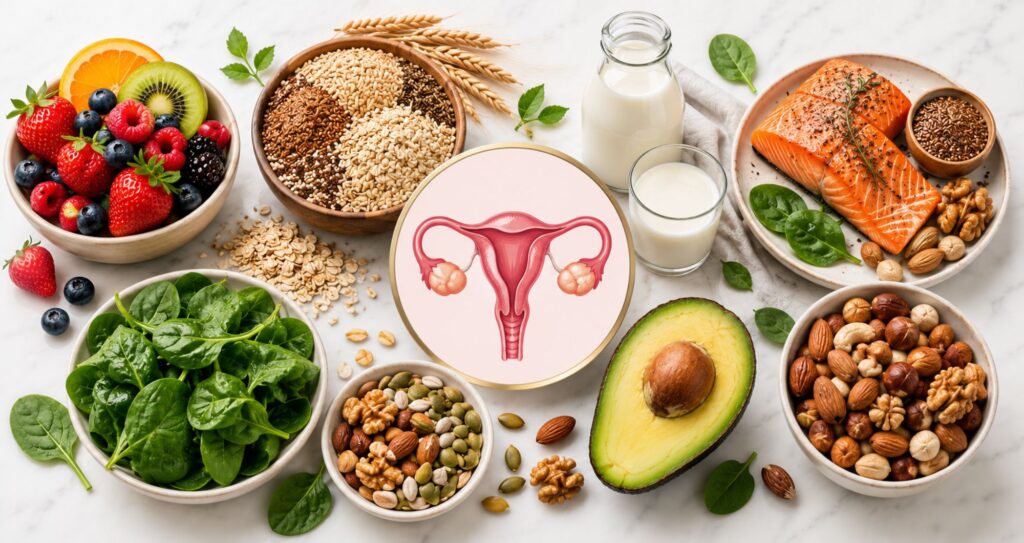
Let’s keep this practical and realistic.
These are foods you can actually include in an Indian diet.
1. Leafy Greens
Spinach, methi, amaranth.
These are rich in folate and iron.
Why they matter:
- Support egg health
- Help oxygen flow through the blood
- Reduce fatigue
Low iron is common and often missed.
Simple fix:
- Add one green vegetable daily
- Pair with lemon for better absorption
2. Eggs
One of the most complete foods.
What they provide:
- Protein
- Choline
- Vitamin D
Why this helps:
- Supports hormone production
- Helps egg development
- Keeps you full and stable
If you eat eggs, include 1 to 2 eggs daily during ovulation.
3. Nuts and Seeds
Almonds, walnuts, flaxseeds, and pumpkin seeds.
Why they matter:
- Provide healthy fats
- Support hormone balance
- Reduce inflammation
Quick idea:
- A small handful mid-morning
- Add seeds to curd or salads
4. Fruits Rich in Antioxidants
Berries, if available. Otherwise, go local.
- Pomegranate
- Banana
- Apple
What they do:
- Protect egg cells from damage
- Support overall fertility
You don’t need imported fruits.
Local options work well.
5. Whole Grains
Brown rice, millets, whole wheat.
Why this matters:
- Keeps blood sugar steady
- Supports hormone stability
Avoid relying only on refined carbs.
Switch gradually if needed.
6. Full-Fat Dairy
Curd, paneer, milk.
Why they help:
- Provide calcium and protein
- Linked with better ovulation in some studies
Simple habit:
- One bowl of curd daily
7. Fatty Fish or Plant Omega Sources
If you eat non-veg:
- Salmon
- Sardines
If vegetarian:
- Flaxseeds
- Chia seeds
- Walnuts
Why important:
- Reduce inflammation
- Support hormone signalling
What a Sample Ovulation Day Could Look Like
Let’s make this practical.
Morning
- Warm water
- Fruit with soaked almonds
Breakfast
- Vegetable poha with peanuts
- Or eggs with roti
Mid-Morning
- Coconut water or buttermilk
Lunch
- Rice or roti
- Dal
- Green vegetable
- Curd
Evening
- Roasted chana or nuts
Dinner
- Light meal with protein
- Sabzi with paneer or dal
Nothing extreme.
Just balanced.
Real Pattern I See Often
Many women eat well overall.
But during ovulation, they:
- Skip meals due to work
- Increase caffeine
- Eat more sugar due to cravings
This affects energy and hormone balance.
Once we fix meal timing, things improve.
Common Mistakes During Ovulation Phase
Let’s address what goes wrong.
1. Skipping Meals
Leads to blood sugar drops.
This affects hormones.
2. Excess Caffeine
Too much coffee can increase stress hormones.
Limit to 1 to 2 cups.
3. Low Protein Intake
Many diets are carb-heavy.
Protein is essential here.
4. Ignoring Hydration
Even mild dehydration affects cervical fluid.
That matters for conception.
5. Over-Focusing on “Superfoods”
You don’t need expensive foods.
Consistency matters more.
When Should You Seek Help
If you are trying for months without success, don’t guess.
Get guidance.
A qualified expert, like the Best Dietitian in Hyderabad, can assess:
- Your cycle
- Your diet pattern
- Nutrient gaps
- Lifestyle factors
A fertility nutritionist can help align your food with your cycle.
That makes the process clearer.
Quick Action Plan
If you want to start today:
- Add one protein source in every meal
- Include one green vegetable daily
- Eat one fruit daily
- Add nuts or seeds
- Drink enough water
Do this for one cycle.
Observe changes.
FAQs
1. What should I eat during ovulation to get pregnant?
Eat a balanced diet with protein, healthy fats, fruits, vegetables, and whole grains. Focus on foods that support hormone balance and egg health.
2. Which fruit is best during ovulation?
Pomegranate, banana, and berries are good options as they provide antioxidants and support reproductive health.
3. Can diet improve ovulation?
Yes, a balanced diet can support hormone regulation and improve ovulation quality over time.
4. Is dairy good during ovulation?
Full-fat dairy in moderate amounts may support fertility and provide essential nutrients.
5. How many meals should I eat during ovulation?
Aim for 3 main meals and 1 to 2 small snacks to maintain stable energy and hormone balance.
Final Thought
Ovulation is a small window.
But your preparation for it happens daily.
Food is one of the simplest ways to support your body.
You don’t need perfection.
You need consistency.
Start with small changes. Keep going.