
Okay… let’s just talk about this. Eating healthier. It sounds simple, right? But if you’ve ever tried, you know it’s not. One day you’re like, “Yeah, I can do this,” and the next you’re staring at Pinterest boards full of quinoa bowls, smoothie recipes, and everything labeled “superfood,” and thinking, “Wait… do I have to quit chocolate forever?”
I’ve been there. More times than I care to admit. And honestly, it’s exhausting. But here’s the thing—you can transition to a healthier diet without stress. For real. You don’t need to prep every meal for a week, spend hours in the kitchen, or live on salads. Tiny, realistic changes can actually stick. You just have to do them in a way that fits your life.
Here’s how I’ve done it—and how you can too.
8 Ways to Transition to a Healthier Diet Without Stress
1. Start Small (Like, Really Small)
I can’t stress this enough. Small changes are the secret sauce. Big changes usually fail.
- Swap just one meal first. Breakfast is easiest—maybe trade sugary cereal for oatmeal, or just add a banana.
- Throw a veggie into dinner. Just one. That’s it.
- Build slowly. Don’t rush.
I know it feels painfully slow. I used to roll my eyes at this advice. “One carrot? Really?” I’d think. But tiny steps stick. You feel like you’re accomplishing something, instead of beating yourself up. And over time, it actually adds up.
2. Focus on Adding Foods, Not Just Cutting Stuff Out
Here’s the thing: trying to cut everything out is exhausting. Don’t do it.
Instead, start with what you can eat:
- Fruits and veggies—even one extra serving counts.
- Whole grains like oats, quinoa, or brown rice.
- Beans or lentils, if you’re feeling adventurous.
I started by throwing spinach into my sandwiches. That’s it. No big life overhaul. But over time, it just became normal. I felt healthier, without feeling deprived.
3. Plan a Little, But Don’t Obsess
Meal prep is great, but don’t go overboard.
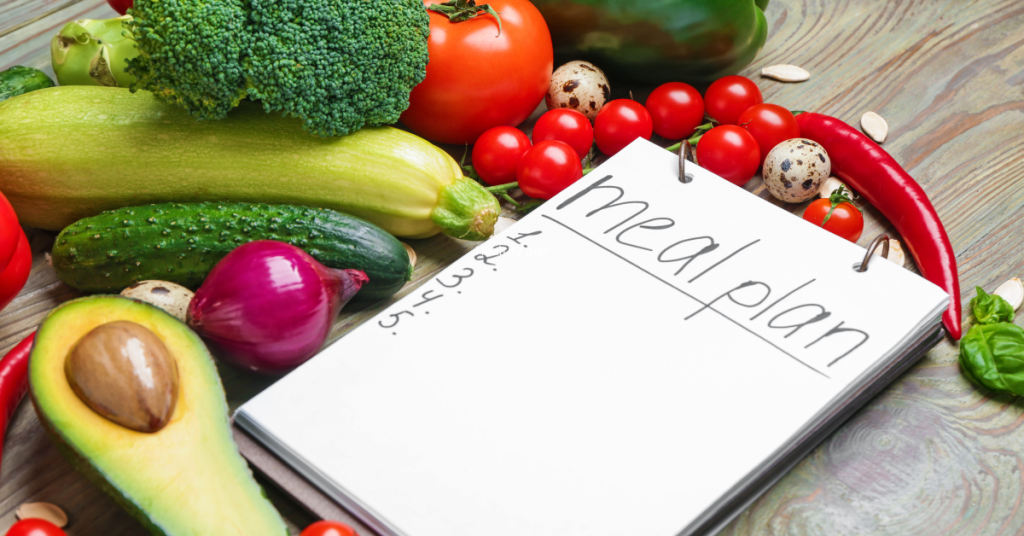
- Make 2–3 simple meals at the start of the week.
- Keep easy snacks handy: nuts, yogurt, and pre-cut veggies.
- Be flexible. Things change. And that’s okay.
I keep carrots and cucumbers ready in the fridge. Some nights I don’t feel like cooking—grab, munch, done. No stress. Honestly, it feels like a little victory every day.
4. Read Labels, But Don’t Freak Out
Nutrition labels can be helpful… but they can also make you want to pull your hair out.
- Look at fiber, protein, and added sugar—that’s usually enough.
- Don’t obsess over calories. Patterns matter more than numbers.
- Pick foods you actually like. Otherwise… what’s the point?
I spent forever reading every label at the grocery store. Exhausting. Now I glance, pick, move on. Life feels lighter already.
5. Make Swaps That Taste Good
Healthy swaps are great, but only if they taste good. Otherwise, forget it.
- Greek yogurt instead of sour cream.
- Sparkling water or herbal tea instead of soda.
- Whole grain bread—but only if it doesn’t taste like cardboard.
Some experiments fail. I tried a veggie-only smoothie once. Ugh. Terrible. Added some fruit, and suddenly it was drinkable. Tiny tweaks make a huge difference.
6. Track Without Losing Your Mind
Tracking meals can help—but don’t let it take over your life.
- Jot down meals in a notebook or app.
- Focus on trends, not perfection.
- Celebrate small wins. Even eating more veggies counts.
I like crossing off meals on a sticky note. Weird? Maybe. But it works. Feels good, keeps me motivated.
7. Let Yourself Have Treats
Strict diets rarely last. You’ll crave what you deny yourself, and then… binge.
- Treats are okay. Really.
- Balance matters more than perfection.
- Treats don’t erase progress—they’re part of life.
Pizza Friday is still a thing for me. I just eat smaller portions and balance it with healthier meals the rest of the week. No guilt. No stress. Works better than trying to be perfect.
8. Get Support
You don’t need to do this alone.
- Talk to friends or family about your goals.
- Join online communities for encouragement.
- A nutritionist is helpful if you feel stuck.
Even tiny support makes a difference. Just having someone say, “I get it, me too,” makes everything feel less scary.
Extra Tips to Keep Stress Low
- Drink water. Seriously, so much water.
- Cook in batches if you can.
- Use herbs and spices to make meals more interesting.
- Stop thinking about foods as “good” or “bad.”
Little things add up. You don’t need to be perfect. You just need to keep going.
FAQs About Transitioning to a Healthier Diet Without Stress
Q: Can I transition to a healthier diet without stress if I eat out a lot?
A: Totally. Look for meals with veggies, lean protein, and whole grains. Don’t stress about perfection—small wins count.
Q: Do I have to cut out junk food completely?
A: No. Occasional treats are fine. Focus on adding healthy foods first, then slowly cut down on less healthy options.
Q: How long before I notice results?
A: Everyone’s different. Some notice more energy in a week. Physical changes usually take a few weeks or months.
Q: Should I track calories?
A: You can, but it’s not required. Healthy patterns and consistency matter more.
Q: I’m busy—can I still transition to a healthier diet without stress?
A: Absolutely. Small swaps, prepped snacks, and flexibility are enough.
You really can transition to a healthier diet without stress. Start small, focus on adding good foods, let yourself enjoy treats, and don’t aim for perfection. Tiny changes add up. Over time, healthy eating just becomes… normal.
Honestly, once you stop overthinking every single choice, it’s way easier—and way more enjoyable—than you ever imagined.