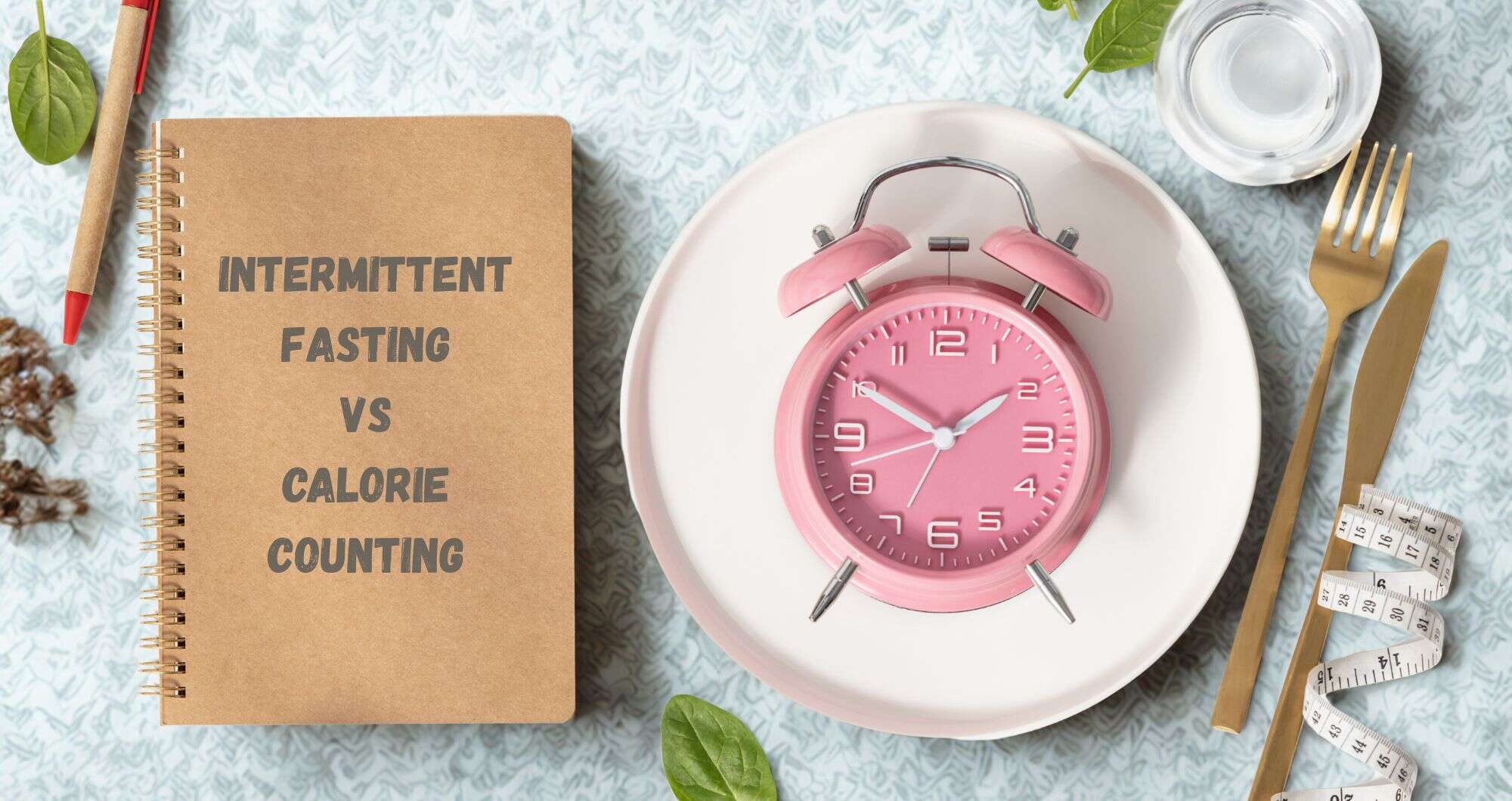
If you have ever tried to lose weight in India, you have probably heard two common suggestions.
“Just try intermittent fasting.”
“Track your calories. That is the only way.”
Both sound simple when someone else says it. But when you actually try them, things get messy. Family meals, chai breaks, weddings, late dinners, and weekend outings make everything harder than it looks on paper.
So, which one really works for Indians? Intermittent fasting or calorie counting?
Let’s talk about this in a practical, honest way. No extreme claims. Just what tends to work for real people with real routines.
What Is Intermittent Fasting in Simple Terms
Intermittent fasting is not about what you eat. It is about when you eat.
You eat during a fixed time window and avoid food during the rest of the day.
The most common formats are:
- 16 hours fasting, 8 hours eating
- 14 hours fasting, 10 hours eating
- Skipping breakfast and eating from noon to evening
For example, your day might look like this:
- 12 pm: first meal
- 4 pm: snack or tea
- 8 pm: dinner
- After that, only water until noon the next day.
Many people like this method because they do not need to track every bite. It feels less stressful.
But does it suit Indian food habits? That is where things get tricky.
What Is Calorie Counting
Calorie counting focuses on quantity. You can eat any food, but you track how much energy you consume.
Every food has calories. Rice, roti, oil, nuts, sweets, everything adds up.
You calculate your daily requirement. Then you eat slightly less than that to lose weight.
A simple example:
- Maintenance calories: 1800 per day
- Weight loss target: 1300 to 1500 per day
You log food in an app or write it down.
It sounds tedious at first. It actually is, at least for the first few weeks. But many people say it teaches them how much they were overeating without realizing it.
Why This Debate Is Different for Indians
Most online diet advice comes from Western countries. Their meals are different. Their eating patterns are different.
In India:
- Meals are carb heavy
- Oil is often used generously
- Snacks and tea are frequent
- Social eating is a big part of life
A typical Indian meal can cross 700 to 900 calories without looking large.
Two cups of rice
Dal with tadka
Aloo sabzi
Curd
It looks normal. But the calories add up fast.
This is why some people do intermittent fasting but still do not lose weight. They are eating the same total calories in a shorter time window.
How Intermittent Fasting Works Inside Your Body
When you fast for several hours, your insulin levels drop. Your body starts using stored energy instead of incoming food.
After about 12 hours, fat burning increases.
That sounds great. And yes, some people do see results.
But here is a simple truth that often gets ignored.
If you eat more calories than you burn, you will not lose fat. Even if you are fasting.
So intermittent fasting works mainly because it helps some people eat less without tracking.
Not because fasting itself is magical.
How Calorie Counting Leads to Weight Loss
Calorie counting works on a very basic rule. If you consume fewer calories than your body uses, your body uses stored fat for energy.
This principle has been tested in hundreds of studies over decades. It is not new. It is not trendy. But it is reliable.
The challenge is not science. The challenge is consistency.
Logging every spoon of oil, every biscuit with chai, every small sweet at a family function takes effort. Many people stop after a week because it feels annoying.
Still, those who stick with it often learn something surprising. Their portion sizes were much larger than they thought.
Intermittent Fasting Pros for Indians
Intermittent fasting can work well if your main issue is constant snacking.
It helps because:
- You automatically cut late night eating
- You skip early morning biscuits or sugary tea
- Your meal frequency reduces
If your daily routine is very busy, fasting can also feel convenient. You do not need to plan breakfast. You just start eating later.
Some people also say they feel less bloated when they reduce meal frequency.
Intermittent Fasting Challenges in Indian Households

Now let’s talk about real life.
What happens when your family eats breakfast together?
What happens when your office provides free lunch at 1 pm, but you start eating at 2 pm?
Many Indians struggle with:
- Social pressure to eat
- Early morning hunger because dinner was light
- Overeating at night because they feel deprived during the day
Also, long gaps without food can trigger acidity for some people. This is quite common.
Calorie Counting Pros for Indians
Calorie counting fits better with traditional meal timings. You can eat breakfast, lunch, and dinner like everyone else.
You just adjust portions.
For example:
- Instead of 3 rotis, you eat 2
- Instead of a full bowl of rice, you take half
- You measure oil while cooking
This approach feels less disruptive to family life.
Many people who consult the best nutritionist in Bangalore for weight loss are often given structured calorie based plans. It allows them to eat familiar foods while still losing weight.
Calorie Counting Problems People Rarely Talk About
Tracking Indian food is not always easy.
Home cooked meals vary. Your mother’s dal and restaurant dal have very different calories.
Also, constant tracking can feel mentally exhausting. Some people become too obsessed with numbers. They stop enjoying food.
So while calorie counting is accurate, it is not emotionally easy for everyone.
Real Life Example From an Indian Client Scenario
A working professional in Bangalore tried intermittent fasting for two months.
She skipped breakfast. She ate lunch and dinner.
Her weight did not change.
When her meals were reviewed later, this is what was happening:
- Lunch: large portion of rice with ghee
- Evening: chai with biscuits
- Dinner: heavy curry with two rotis
She was eating fewer times, but not fewer calories.
After she consulted a weight specialist and followed a structured plan similar to what the best nutritionist in Bangalore would suggest, she started measuring portions. Within six weeks, she lost four kilos.
The difference was not fasting. It was awareness.
Which One Helps You Lose Weight Faster
In the first two weeks, intermittent fasting often shows faster results on the scale. This is usually due to water loss and reduced bloating.
Fat loss takes longer. And for that, total calorie intake matters more than meal timing.
So, if two people eat the same calories, one through fasting and one through regular meals, their fat loss will be similar over time.
This is why some dietitians combine both methods. They suggest a mild fasting window and still guide you on portion sizes.
How to Decide Which Method Suits You
Ask yourself a few honest questions.
Do you snack constantly even when you are not hungry?
Do you dislike tracking food?
Do you often eat late at night?
If yes, intermittent fasting might help you control your eating pattern.
On the other hand, if you:
- Have diabetes or PCOS
- Want flexibility to eat small treats
- Prefer structured planning
Then, calorie counting or a guided meal plan is usually safer and more predictable.
This is also why many people search for the best nutritionist in Bangalore for weight loss. They want a plan that fits their routine rather than copying internet trends.
A Balanced Approach That Works for Many Indians
You do not always need to choose one extreme.
A simple approach many people find sustainable is:
- 12 to 13 hour of overnight fasting
- Three balanced meals during the day
- Portion control and protein focus
Example day:
Morning
Tea without sugar or with minimal sugar
Breakfast
Vegetable poha with peanuts or egg omelette
Lunch
2 rotis, dal, sabzi, salad
Evening
Buttermilk or fruit
Dinner
Light meal before 8:30 pm
This approach respects Indian meal culture while still controlling calories.
Common Mistakes Indians Make with Intermittent Fasting
These mistakes show up again and again.
- Eating huge portions during eating window
- Consuming high calorie drinks like sweet lassi or sugary tea
- Ignoring protein and eating mostly carbs
- Breaking fast with fried snacks
Fasting does not cancel out overeating.
Common Mistakes with Calorie Counting
Calorie counting also has its own set of problems.
- Guessing portion sizes instead of measuring
- Ignoring cooking oil
- Tracking only main meals and forgetting snacks
- Giving up after one bad day
Many people think one mistake means failure. So, they stop completely. That is where guidance from professionals can help keep things realistic and flexible.
When You Should Consider Professional Guidance
If you have tried multiple diets and your weight does not change, there might be deeper reasons.
These can include:
- Hormonal imbalances
- Thyroid issues
- Emotional eating
- Incorrect calorie assumptions
A qualified expert, like the team at Mitha Ahara, can review your medical history, daily routine, and food preferences before recommending intermittent fasting or a calorie-controlled plan.
That kind of personalized guidance is difficult to get from generic advice you find online.
Intermittent Fasting vs Calorie Counting for Different Age Groups
Young adults in their 20s often find intermittent fasting easier because their schedules are flexible and their metabolism is faster.
People in their 30s and 40s, especially with desk jobs, often benefit more from structured calorie plans because they need to focus on nutrient balance, not just meal timing.
Older adults may struggle with long fasting windows due to medication schedules and blood sugar fluctuations.
So, age and health status matter more than people realize.
How Protein Intake Changes the Results in Both Methods
This is one point many Indians overlook.
If your diet is low in protein, you may lose muscle along with fat. This slows your metabolism.
Whether you fast or count calories, you should aim to include protein in every main meal.
Examples:
- Eggs
- Paneer
- Curd
- Dal and legumes
- Chicken or fish
Even small increases in protein intake can improve satiety and reduce cravings.
Psychological Side of Dieting That People Ignore
Weight loss is not just biological. It is behavioural.
Some people like rules like “do not eat after 8 pm.” It feels simple. That makes intermittent fasting easier for them.
Others feel anxious when food is restricted by time. They keep thinking about food. For them, calorie counting with regular meals feels calmer.
There is no universal mental response. Your personality and stress levels play a big role in which method you can sustain.
FAQs
Is intermittent fasting safe for Indian women?
Yes, many Indian women follow it safely. But long fasting windows can cause weakness or acidity in some cases. Shorter fasting periods are often easier to maintain.
Can I lose weight without counting calories at all
Yes, intermittent fasting naturally reduces your calorie intake. But if your portion sizes remain large, weight loss may stall.
Is rice the reason Indians struggle with weight loss
Rice alone is not the problem. Large portions combined with low protein and high oil usage contribute more to excess calorie intake.
Do I need supplements while following intermittent fasting
Most people can meet their needs through balanced meals. Supplements are only needed when there are diagnosed deficiencies.
How long should I try one method before switching
A fair trial is at least four to six weeks. This allows your body and routine to adapt and gives you measurable results.