





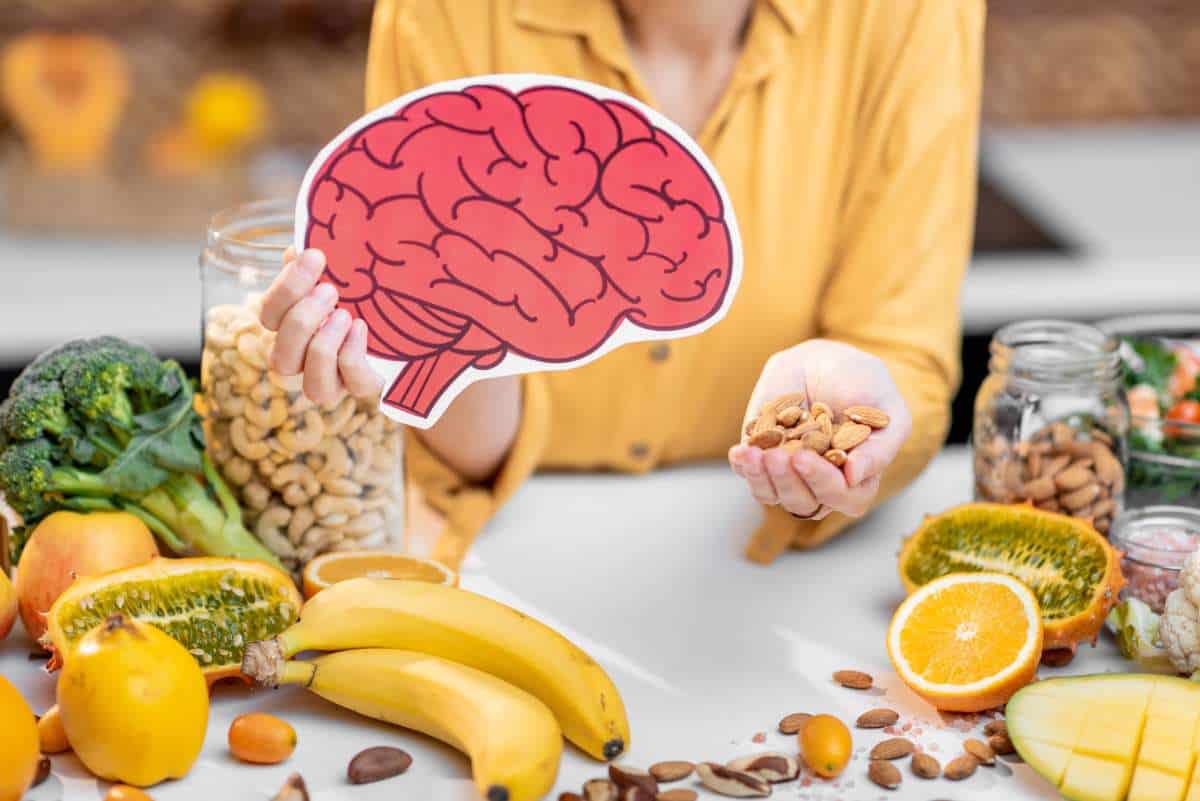

Let’s talk about something people don’t always connect right away.
Food and fertility.
Most of us grow up hearing that diet affects weight, energy, and maybe skin.
But how does nutrition affect fertility in men and women? That part usually comes much later… sometimes when you’re already trying to conceive.
And then the question hits.
Does what I eat really matter this much?
Short answer. Yes.
Long answer… It’s a bit more layered than that.
Let’s break it down in a simple, honest way.
Why Nutrition Plays a Bigger Role Than You Think
Your body doesn’t separate systems the way we do in our heads.
Reproductive health isn’t isolated. It’s connected to hormones, metabolism, stress levels, and even sleep.
And all of that is influenced by what you eat daily.
Think about it.
- Hormones need nutrients to be produced
- Eggs and sperm need the right environment to develop
- Inflammation can interfere with conception
- Deficiencies can quietly disrupt cycles
It’s not about eating “perfectly.”
It’s about giving your body enough support to do its job.
How Does Nutrition Affect Fertility in Women
Let’s start here because women often carry most of the pressure around fertility.
But honestly, it’s not just about you. Still, your body does go through more visible changes.
1. Hormonal Balance
Hormones run the show.
If they’re off, ovulation can be irregular or even absent.
Certain nutrients help regulate this:
- Healthy fats support hormone production
- B vitamins help with ovulation
- Iron supports blood health and cycle regularity
Low intake or poor diet patterns can lead to imbalances.
And sometimes you don’t even notice until cycles become unpredictable.
2. Egg Quality
You’re born with all your eggs.
But their quality changes over time.
Nutrition can support this.
- Antioxidants help protect eggs from damage
- Vitamins like C and E reduce oxidative stress
- Zinc plays a role in cell development
You can’t reverse age.
But you can support the environment in which those eggs exist.
3. Ovulation Health
Skipping meals, extreme dieting, or constant junk food habits can affect ovulation.
Your body reads these as stress signals.
And when stress is high, reproduction often gets pushed aside.
Simple things that help:
- Regular meals
- Balanced plates with protein, carbs, and fats
- Stable blood sugar
Nothing fancy. Just consistency.
4. Uterine Health
The lining of the uterus needs proper nourishment.
Without it, even fertilisation may not lead to implantation.
Helpful nutrients include:
- Iron
- Folate
- Omega-3 fatty acids
This is one area people don’t think about much.
But it matters more than it seems.
How Does Nutrition Affect Fertility in Men
This part gets ignored way too often.
Fertility is not just a woman’s issue.
Men contribute equally to the outcome.
And yes, diet plays a role here too.
1. Sperm Count and Quality
Sperm health depends on:
- Count
- Movement
- Shape
All of these can be influenced by nutrition.
Key nutrients:
- Zinc improves sperm production
- Selenium supports motility
- Antioxidants protect sperm from damage
Poor diet habits can reduce sperm quality over time.
2. Testosterone Levels
Testosterone is linked to sperm production.
And guess what affects testosterone?
Food choices.
- Healthy fats support hormone levels
- Processed foods and excess sugar can lower them
It’s not about cutting everything out.
But balance really matters here.
3. Oxidative Stress
This sounds technical, but it’s simple.
Your body faces damage from free radicals.
And sperm cells are quite sensitive to this.
Antioxidant-rich foods help:
- Fruits like berries
- Nuts
- Leafy greens
Small changes here can go a long way.
Common Diet Mistakes That Affect Fertility
You might be doing some of these without realising.
I’ve seen this happen a lot.
Skipping Meals
You get busy. You forget to eat.
Seems harmless, right?
But it can:
- Disrupt hormones
- Affect energy levels
- Impact of ovulation
Too Much Processed Food
Convenient, yes.
Helpful for fertility? Not really.
High sugar and trans fats can:
- Increase inflammation
- Affect hormone balance
- Reduce sperm quality
Not Eating Enough
This is common, especially with weight loss goals.
But under-eating can signal the body that it’s not a good time to reproduce.
Ignoring Micronutrients
Calories are not everything.
You also need:
- Vitamins
- Minerals
- Trace nutrients
Even small deficiencies can have an impact.
Foods That Support Fertility Naturally
Let’s keep this practical.
You don’t need a complicated diet plan.
Start with these.
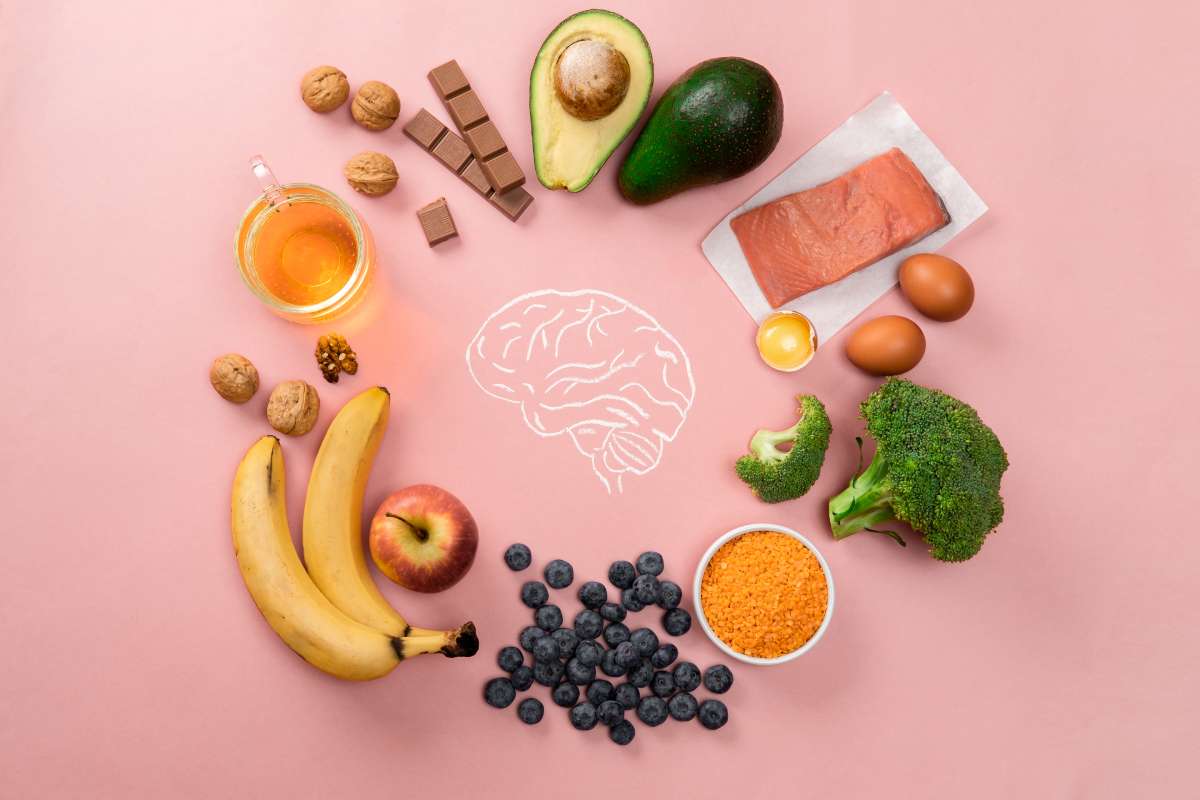
Add More of These
- Whole grains like brown rice and oats
- Fresh fruits and vegetables
- Nuts and seeds
- Dairy or dairy alternatives
- Lean proteins like eggs, fish, and legumes
Don’t Completely Avoid, But Limit
- Packaged snacks
- Sugary drinks
- Deep-fried foods
- Excess caffeine
Notice I said limit, not eliminate.
Being too strict can backfire.
A Simple Day of Fertility-Friendly Eating
You don’t need perfection. Just a direction.
Here’s a simple idea.
Morning
- Warm water
- Breakfast with protein and carbs, like eggs and toast
Mid-morning
- Fruit or nuts
Lunch
- Rice or roti
- Dal or lean protein
- Vegetables
Evening
- Light snack, maybe nuts or yogurt
Dinner
- Similar to lunch but lighter
Nothing extreme.
Just balanced and regular.
Lifestyle Habits That Work Alongside Nutrition
Food alone isn’t everything.
But it does a lot of the heavy lifting.
Still, these matter too:
- Sleep at least 7 hours
- Manage stress as much as possible
- Stay physically active
- Avoid smoking and limit alcohol
You don’t need to do everything at once.
Start small.
When Should You See a Fertility Nutritionist
Sometimes, Google’s advice isn’t enough.
And that’s okay.
If you’re:
- Trying to conceive for a while without success
- Dealing with PCOS or irregular cycles
- Managing low sperm quality reports
- Feeling confused about what to eat
It might help to talk to a Fertility Nutritionist.
They don’t just give diet charts.
They look at your lifestyle, habits, and patterns.
And then suggest something that actually fits your routine.
Finding the Right Guidance
Not all advice works for everyone.
That’s the truth.
You might need personalised help.
Working with the Best Nutritionist in Bangalore or someone experienced in fertility-focused nutrition can make things clearer.
They can:
- Identify nutrient gaps
- Suggest realistic changes
- Track progress over time
Sometimes, it’s not about doing more.
It’s about doing the right things consistently.
Real Talk: Does Nutrition Guarantee Pregnancy?
No.
And it’s important to say this clearly.
Good nutrition supports fertility.
It improves your chances.
But it’s not a guarantee.
There are other factors:
- Age
- Medical conditions
- Genetics
Still, nutrition is one part you can control.
And that’s worth focusing on
Small Changes That Actually Make a Difference
You don’t need a full lifestyle overhaul.
Start with:
- Adding one fruit daily
- Drinking enough water
- Including protein in each meal
- Cutting down on one unhealthy habit
That’s it.
Then build slowly.
FAQs
Q1. Can diet alone fix infertility
No. Diet supports fertility but does not guarantee pregnancy. Medical factors also play a role.
Q2. How long does it take for nutrition changes to affect fertility
You may see changes in 2 to 3 months. This aligns with the reproductive cycle timeline.
Q3. Do men really need to change their diet
Yes. Male fertility contributes equally. Diet affects sperm health directly.
Q4. Are supplements necessary for fertility?
Not always. Many nutrients can be obtained from food. Supplements may help in specific deficiencies.
Q5. Does weight affect fertility
Yes. Both underweight and overweight conditions can impact hormones and reproductive health.
Final Thoughts
Fertility can feel overwhelming.
There’s a lot of information out there. Some of it is confusing.
But when you bring it back to basics, it feels more manageable.
Your body needs support.
Food is one of the simplest ways to provide that.
You don’t have to get everything right.
You just need to start paying attention.
And maybe ask yourself this.
If your body is trying to create life,
Is it getting what it needs from you?