
I keep hearing this question lately: Is plant-based eating the future?
You’ve probably noticed it too. Grocery stores have whole aisles of oat milk, there’s vegan cheese that melts now, and even fast-food chains are selling plant burgers. Feels like something’s shifting.
But what does that mean for you, for your health, for the way you eat every day? Let’s walk through it together.
Why Everyone’s Talking About It
Honestly, there are a few reasons this keeps coming up:
- Health – People who eat more plants tend to have lower risks of heart disease, diabetes, and all that heavy stuff.
- Environment – Farming animals use tons of land and water. Eating more plants is one way people try to lessen the load.
- Ethics – Some don’t feel great about eating animals.
But here’s the thing, you don’t have to go all-in vegan to be part of the shift. A lot of people are just moving toward more plants, less meat.
What “Plant-Based” Really Means
The phrase gets thrown around so much that it can feel confusing.
- Vegan – zero animal products.
- Vegetarian – no meat, but still dairy or eggs.
- Flexitarian – mostly plants, but meat here and there.
If I had to bet, the future is flexitarian for most people. Meat won’t disappear, but it also won’t be the center of every meal.
How It Affects Your Health
If you lean into plant-based eating, here’s what usually happens:
- Digestion improves – thanks to fiber in beans, fruits, and veggies.
- Heart health improves – less red meat, more plants.
- Weight feels easier to manage – plant-heavy meals are often lighter.
- Energy steadies out – beans and oats keep blood sugar balanced.
But it’s not all smooth sailing:
- Protein takes a bit more planning. You’ll need beans, tofu, lentils, and nuts.
- Vitamin B12 doesn’t come from plants. Supplements or fortified foods are key.
- Iron and zinc are trickier to absorb, but doable if you mix things up.
If you’re not sure how to balance it all, this is where talking with the best nutritionist online can make a huge difference. Saves you a lot of guessing.
How to Start Without Overcomplicating It
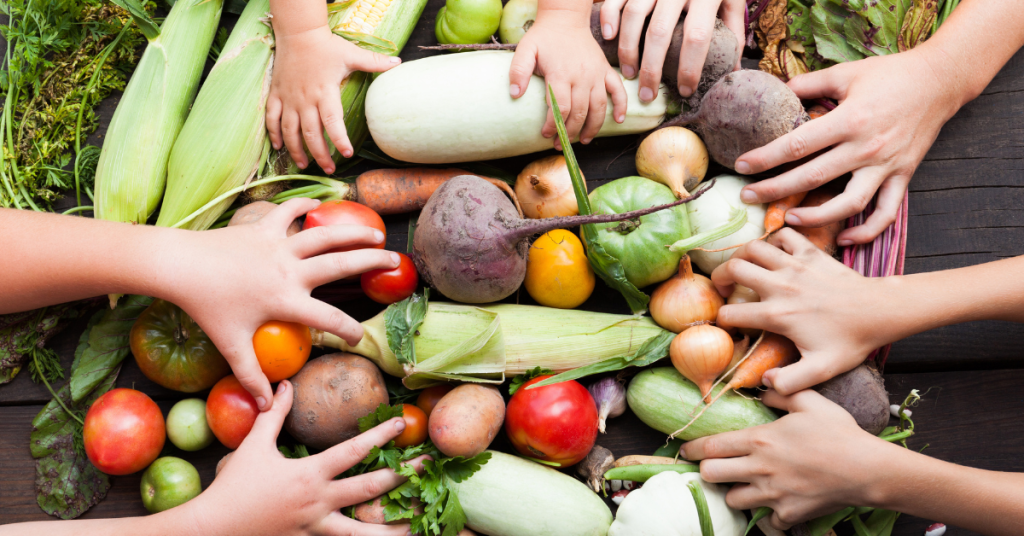
Most people fail because they think plant-based means living on salads. That doesn’t last long.
Try this instead:
- Swap just one meal a day. Breakfast with oats, nuts, and fruit works.
- Switch your milk to soy, oat, or almond.
- Add veggies or beans to meals you already cook.
- Try filling recipes: lentil curry, bean chili, tofu stir-fry.
Think baby steps, not a life overhaul.
So, Is Plant-Based Eating the Future?
If you look around, yeah, it kind of feels that way. Big brands are investing, restaurants are adding options, and people are at least curious.
But no, the world isn’t all going vegan. Most of us will just eat fewer animal products and more plants. Meat will still be there — just not at the center of every plate.
That’s the real “future” I see.
What It Means for You
If you shift toward more plants, you might:
- Feel lighter after meals
- See better blood pressure or cholesterol numbers
- Find new foods you never thought you’d eat
But if you don’t plan, you might end up drained and cranky. Balance matters.
Quick Gut Check
Before you dive in, ask yourself:
- Do heavy meat meals leave you sluggish?
- Do you like beans, grains, and veggies enough to eat them often?
- Are you okay with experimenting in the kitchen?
If you’re nodding yes, plant-based eating might feel natural for you.
If you’re not sure, book a chat with the best nutritionist online you can find. A half-hour session could save you months of trial and error.
FAQs I Hear All the Time
Is plant-based eating the future, or just hype?
It’s not hype. Sales are growing every year. Even meat companies are investing in plant-based foods.
Can I get enough protein without meat?
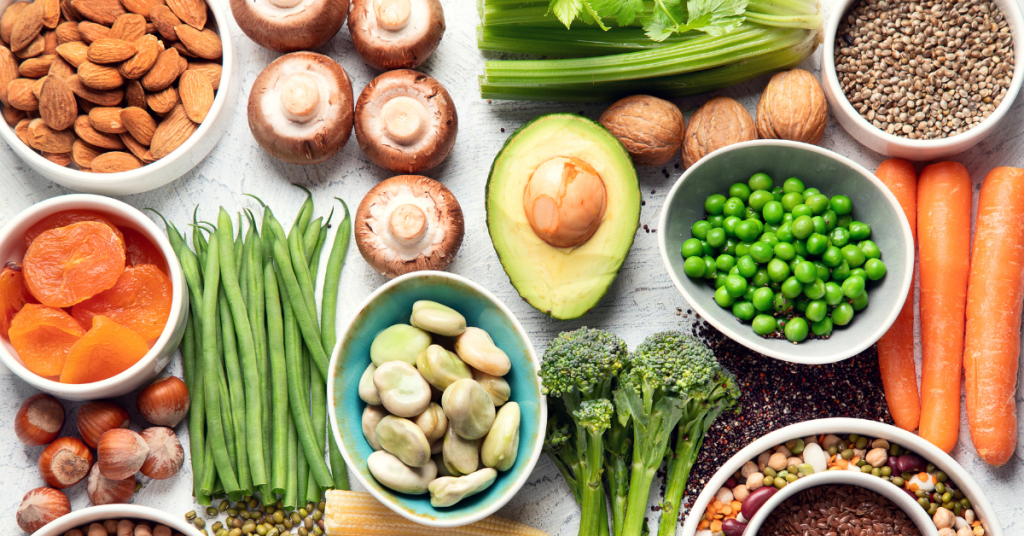
Yes, but you need variety: lentils, tofu, tempeh, quinoa, beans, nuts.
Do I need supplements?
Almost always B12. Sometimes vitamin D or omega-3s, too.
What’s the easiest way to start?
One meal a day. Keep it simple.
Where do I find the best nutritionist online?
Look for registered dietitians. Many offer video sessions and meal plans now.
My Honest Experience
When I first tried it, I messed up. I thought eating “plant-based” meant endless salads and smoothies. After a week, I was starving and cranky.
Then I learned that real plant-based meals are hearty. Chili with beans. Lentil stew. Tofu stir-fry. That’s when it clicked.
So don’t make the mistake I did. Don’t think plant-based = rabbit food. It’s just different kinds of filling, satisfying meals.
So, is plant-based eating the future? Probably, yeah. But not in an extreme way. It’s more like people eating more plants, less meat, and finding their balance.
And for your health? It can be amazing if you plan it right. Or frustrating, if you don’t. That’s why working with the best nutritionist online can help you find what fits.
At the end of the day, food shouldn’t feel like punishment. It should make you feel good. And if adding more plants does that, then maybe the future’s already here.