
PCOS is tough. Hormonal imbalance is even tougher when you don’t know where to start. You might feel bloated, tired, moody, or stuck in a cycle of irregular periods, breakouts, and weird weight gain.
Been there.
Still dealing with it, honestly.
Medications help sometimes, but they don’t fix everything. What you eat—what you put into your body every day—can make a big difference. It’s not about “dieting.” It’s more about supporting your body so your hormones don’t have to fight so hard.
So let’s get into it.
Here are 8 real and practical nutritional fixes for hormonal imbalance and PCOS that you can start today.
8 Nutritional Fixes for Hormonal Imbalance and PCOS
1. Balance Blood Sugar or Your Hormones Will Struggle
This one’s not optional.
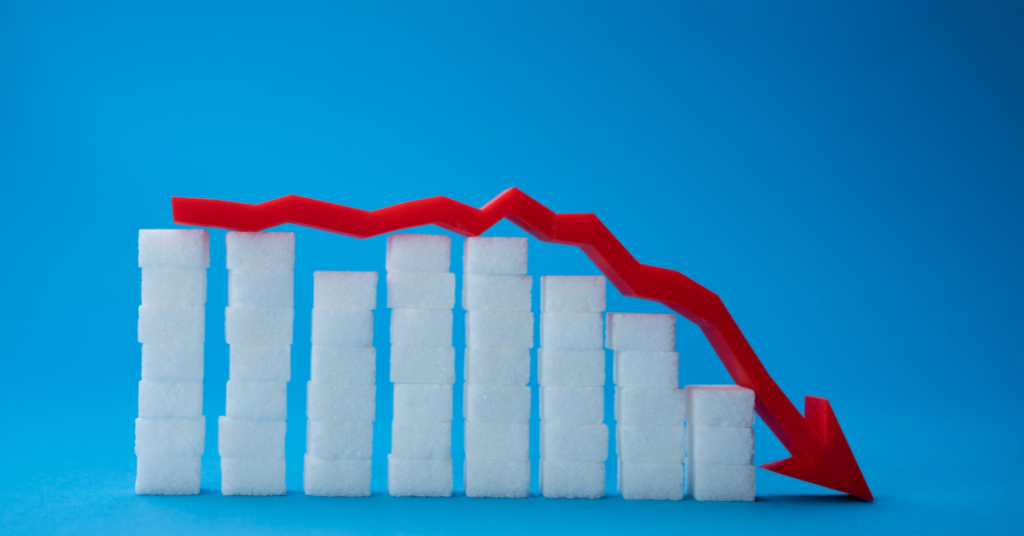
If your blood sugar is all over the place, your hormones will be too.
Insulin resistance is super common in people with PCOS. It makes everything worse—weight gain, acne, cravings, even anxiety.
What helps:
- Eat protein with every meal. Even snacks.
- Don’t start your day with just carbs. Add eggs, Greek yogurt, or tofu.
- Avoid sugary drinks. They spike your insulin fast.
- Add fiber—things like chia seeds, oats, and veggies.
I used to grab a granola bar and coffee for breakfast, thinking it was fine. But I’d crash hard by 10 a.m. Adding eggs and avocado made a huge difference. My energy stayed stable, and weirdly, my afternoon cravings faded too.
One of the most important nutritional fixes for hormonal imbalance and PCOS is keeping blood sugar steady. It’s not just a food tip—it’s a hormone fix.
2. Add Anti-Inflammatory Foods (No, You Don’t Have to Go Vegan)
Inflammation plays a sneaky role in PCOS. It messes with hormone production, increases pain during your period, and just makes everything feel worse.
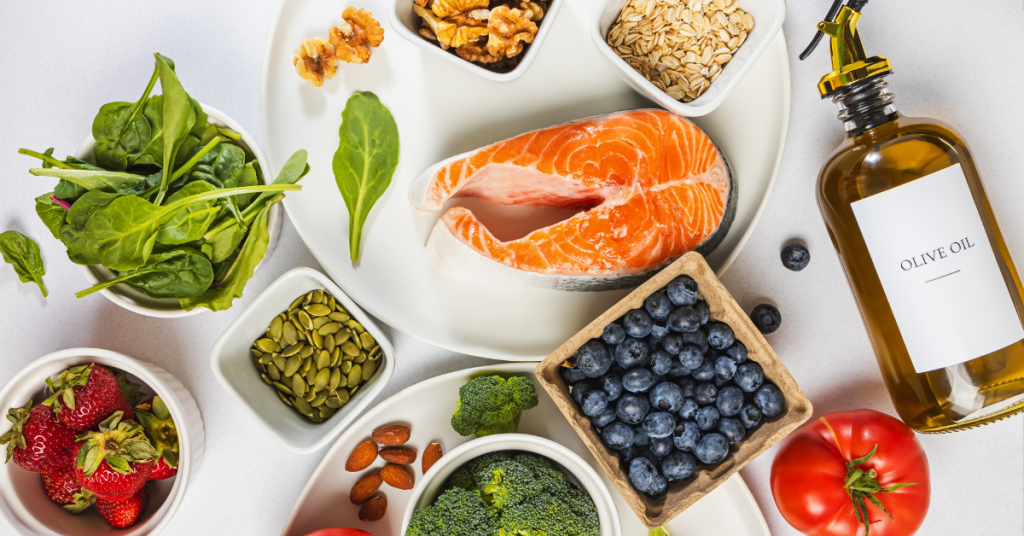
Some anti-inflammatory foods to try:
- Leafy greens like spinach and kale
- Berries (frozen is fine!)
- Fatty fish like salmon
- Olive oil instead of vegetable oil
- Ginger and turmeric (fresh or powdered)
You don’t need to overhaul your entire diet. Just try adding 1–2 of these a day. I started tossing spinach into scrambled eggs and adding frozen blueberries to yogurt. Small, low-effort wins.
Adding these is one of the easiest nutritional fixes for hormonal imbalance and PCOS because it doesn’t involve cutting anything out. Just add more of the good stuff.
3. Don’t Cut All Carbs—Just Be Picky About Them
Here’s the deal:
You don’t need to go keto to manage PCOS.
But you do need to ditch the blood-sugar-spiking, no-fiber, ultra-processed carbs.
What to cut back:
- White bread
- Regular pasta
- Pastries, cookies, and most store-bought snacks
- Sweetened cereals
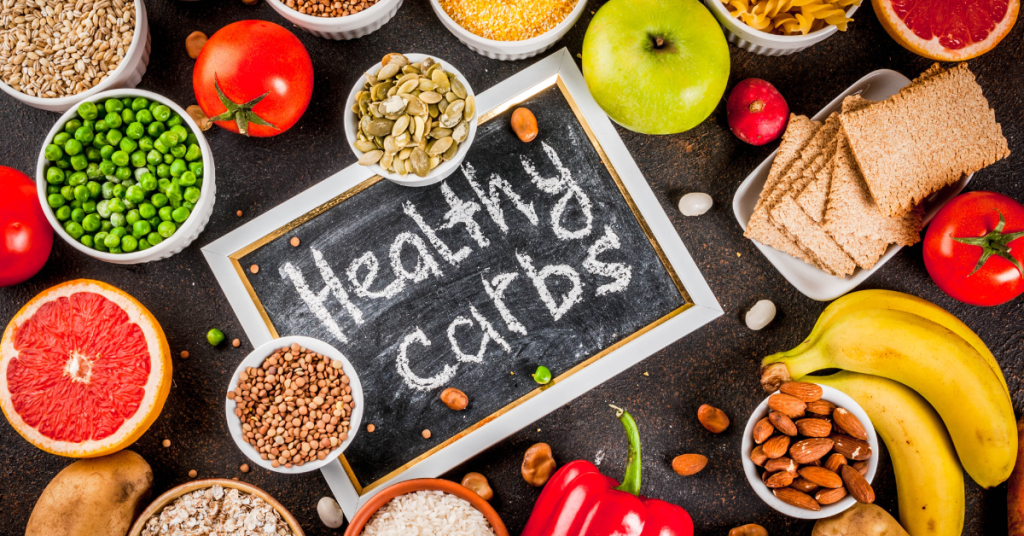
Better carb options:
- Brown rice, quinoa, oats
- Sweet potatoes
- Lentils and chickpeas
- Whole wheat or seeded bread (check labels)
I used to feel guilty eating carbs at all, but that backfired. I’d end up binge-watching later. Choosing better carbs helped me feel full without the guilt trip.
Out of all the nutritional fixes for hormonal imbalance and PCOS, learning how to eat carbs smartly is a game-changer.
4. Healthy Fats = Happier Hormones
Fat is not bad.
Your hormones need fat to function.
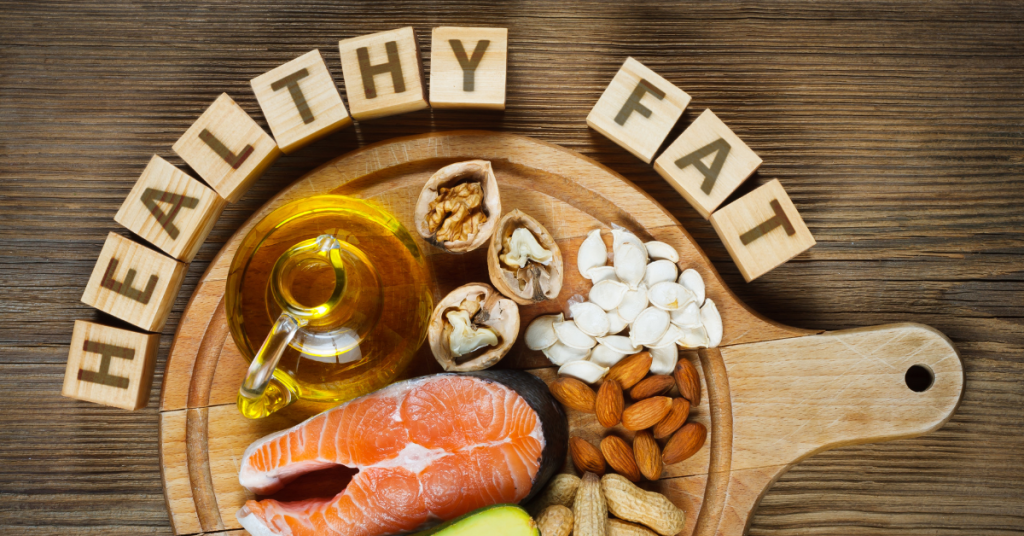
But not all fats are equal. Avoid trans fats in processed junk. Instead, aim for:
- Avocados
- Nuts and seeds (flax, chia, walnuts)
- Fatty fish like sardines or mackerel
- Olive oil
- Nut butters (no added sugar if possible)
I started tossing a tablespoon of flaxseeds into my smoothies and using olive oil on veggies. Easy swaps. No cooking skills needed.
Eating more good fat is one of the nutritional fixes for hormonal imbalance and PCOS that helps with energy, skin, brain fog, and cycle regularity. Real benefits you can feel.
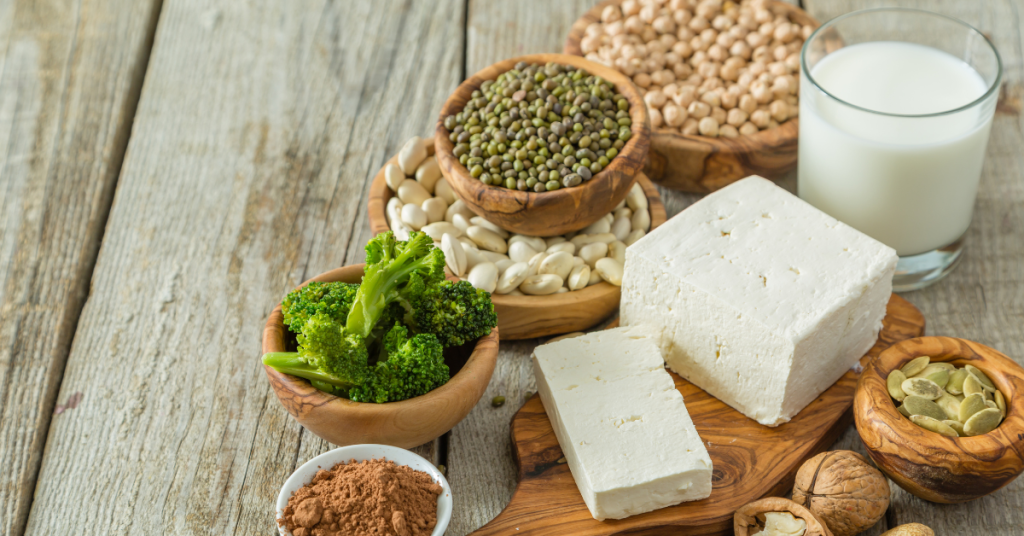
5. Protein. Every Meal. No Exceptions.
You’ve probably heard this a million times, but it matters here.
Protein helps manage blood sugar and keeps you full longer. Plus, it supports your muscles, metabolism, and hormones.
Simple ways to get more:
- Eggs, cottage cheese, or Greek yogurt for breakfast
- Chicken, tofu, or legumes for lunch
- Protein shakes when you’re busy
- Snack on nuts or boiled eggs instead of chips
This might be the easiest nutritional fix for hormonal imbalance and PCOS because it’s flexible. Just aim for 20–30 grams of protein per meal. Your cravings and mood will thank you.
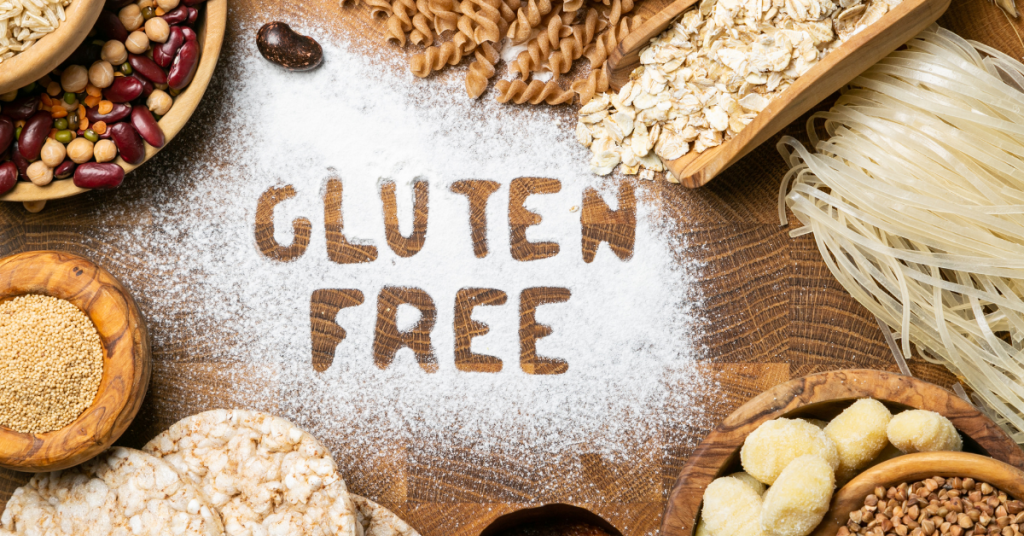
6. Test How You Feel Without Dairy or Gluten
This one’s personal.
Some people with PCOS do better without dairy or gluten. Not everyone, but enough to make it worth testing for yourself.
Why cut them out?
- Dairy can spike insulin in some people
- Gluten might trigger inflammation or gut issues
- Both can mess with skin and digestion if you’re sensitive
What worked for me: I cut dairy for a month. My bloating went way down, and I didn’t get my usual cystic acne that cycle. I slowly reintroduced yogurt, but still avoid milk and cheese.
If you’re trying to figure out which nutritional fixes for hormonal imbalance and PCOS are most effective for your body, start with a two-week experiment. Keep a journal. It’s not about restriction—it’s about learning what works for you.
7. Don’t Forget to Drink Water (Yes, Really)

It sounds basic, but hydration is so underrated.
Being even mildly dehydrated can mess with energy, digestion, and hormones.
Try this:
- 2–3 liters of water a day
- Add lemon or mint if you’re bored
- Replace 1 coffee or soda with herbal tea
- Spearmint tea is especially good for PCOS symptoms like excess hair and breakouts
One of the simpler nutritional fixes for hormonal imbalance and PCOS is just drinking enough water. Not exciting, but it works.
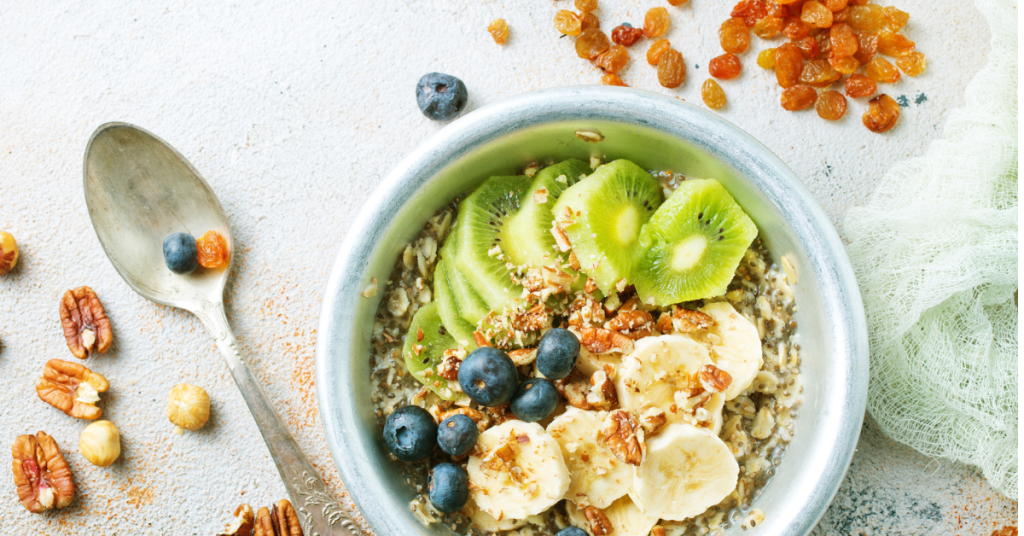
8. Stop Skipping Meals—Especially Breakfast
If you’re skipping meals to save calories, it’s probably backfiring.
Skipping meals can spike cortisol, increase cravings, and lead to overeating later.
Especially with PCOS, regular meals help your body feel safe and balanced.
Start with:
- A protein-based breakfast (even something small like eggs or chia pudding)
- Balanced snacks to keep blood sugar steady
- Meal prep simple options so you’re not tempted by junk when hungry
Once I stopped skipping breakfast, my energy and mood got way better. I used to think I was just “not a breakfast person.” Turns out I was just eating the wrong kind of breakfast.
Meal timing is one of those quiet but powerful nutritional fixes for hormonal imbalance and PCOS that makes everything easier once you build the habit.
What to Do Next (Without Overwhelming Yourself)
Trying to do all 8 of these at once? Way too much.
Pick one. Just one.
Maybe:
- Swap your cereal for eggs and greens
- Add chia seeds to your smoothie
- Try spearmint tea in the afternoon
- Cut back on dairy for two weeks
Keep it simple. Track how you feel. Build from there.
PCOS isn’t something you can “fix” in a week. But with small daily changes, you’ll start to notice patterns. More energy. Better skin. Fewer cravings. More regular periods.
That’s when you know it’s working.
You don’t need a fancy diet or a pile of supplements.
What you eat consistently matters more than anything else.
These nutritional fixes for hormonal imbalance and PCOS are not about perfection. They’re about progress.
Real food. Real changes. Real results over time.
Just start.
Then keep going.
You’ve got this.